


BookLab
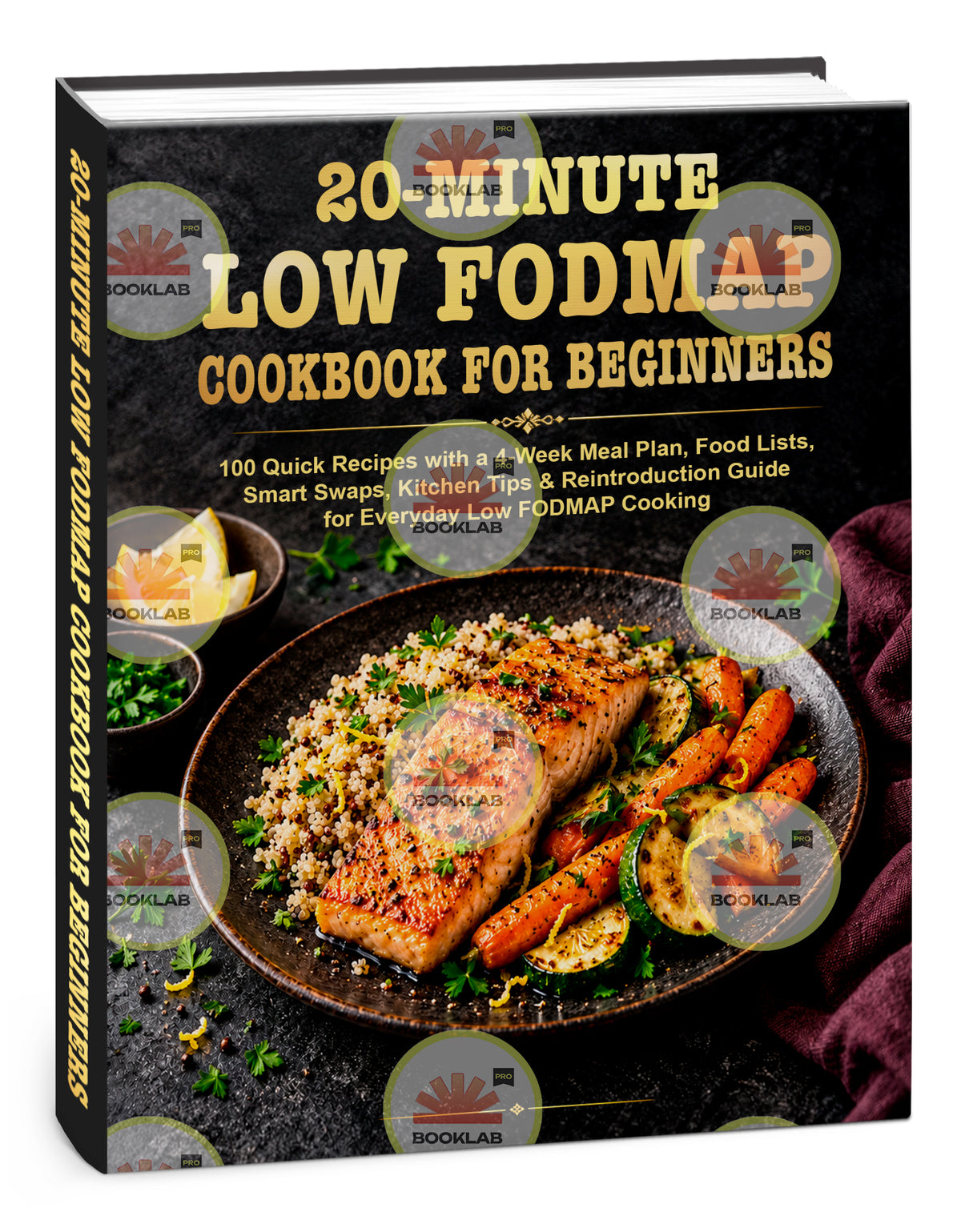
20-Minute Low FODMAP Cookbook for Beginners
20-Minute Low FODMAP Cookbook for Beginners
SKU:17284502
- Ready to publish on Amazon KDP
- Human-Written Manuscript
Couldn't load pickup availability
Premium Publishing Asset for Amazon Sellers: 20-Minute Low FODMAP Cookbook for Beginners
A polished, professionally crafted Low FODMAP cookbook—fully structured and ready for publishing.
This asset is designed for Amazon sellers who want to enter the growing digestive health and specialized diet niche with a complete, professionally organized cookbook. Built around the Low FODMAP category, this manuscript offers a clear, beginner-friendly structure, strong keyword alignment, practical meal-planning tools, and recipe content created for readers who want simple everyday cooking guidance.
⭐️ What’s Included:
✔️ Approximately 144 pages of manuscript content
✔️ 100 Low FODMAP recipes
✔️ Breakfasts, lunches, dinners, snacks, sauces, and desserts
✔️ A complete 4-week meal plan
✔️ Weekly shopping lists
✔️ Food lists showing what to eat, limit, and avoid
✔️ Smart swaps for garlic, onion, wheat, dairy, sauces, and sweeteners
✔️ Kitchen essentials and time-saving cooking tips
✔️ Nutrition information included with recipes
✔️ A practical reintroduction guide
✔️ Ready for Kindle and paperback formatting
📈 Why This Is a Valuable Publishing Asset
You’re getting a complete, market-ready cookbook structure, not a rough draft. This book targets a specific and searchable Amazon niche: Low FODMAP cooking for beginners. The content combines educational chapters, practical food lists, fast recipes, a structured four-week meal plan, shopping lists, and smart kitchen swaps—all elements that help create a strong buyer-facing product.
The 20-minute recipe angle also gives the book a clear practical hook for busy readers who want simple meals without complicated preparation. Instead of offering only recipes, the manuscript provides a complete cooking system: pantry guidance, ingredient substitutions, meal-planning support, and reintroduction information.
💼 Ideal For:
• KDP publisher’s catalog expansion
• Publishing agencies
• Entrepreneurs selling digital or print books online
• Sellers entering the Low FODMAP, IBS-friendly, digestive health, or specialized cookbook niche
• Health and wellness cookbook collections
🚀 What Makes This Book Special:
• A clear, beginner-friendly structure
• 100 quick Low FODMAP recipes
• Recipes organized by meal type for easy navigation
• A 4-week meal plan with weekly shopping lists
• Practical food lists and portion guidance
• Smart substitutions for common high-FODMAP ingredients
• Kitchen tips for faster everyday cooking
• A reintroduction guide
• A clean, professional cookbook format suitable for Amazon KDP
This is a strong publishing asset for sellers looking for a complete Low FODMAP cookbook with practical structure, clear positioning, and ready-to-use content for the Amazon marketplace.
- Number of pages: 93
- Trim Size Paperback: 8,5*11
- Trim Size Hardcover: 8,25*11
Share
What's Included
-
Manuscript PDF
Complete manuscript in PDF format
-
eBook Format
Ready-to-publish electronic book format
-
Plagiarism Report
Detailed plagiarism check report
-
Book Cover
Covers that sell and visuals that grab attention
-
Book Description
Book description for marketing purposes
-
Book Quality Guide
Guide to reviewing book quality before publishing on Amazon KDP
Book Details
Human-Written Content
This manuscript was written by human authors and reviewed by editors. We do not use AI-generated text for the core book content. Each title is created as an original publishing asset for Amazon KDP sellers who want ready-to-use, professional-quality content.
Outline Overview
Table of Contents
Introduction
- Welcome to the Low FODMAP approach
- Who this cookbook is designed for
- How to use the recipes, meal plan, and food lists
- Why portion size matters
- The importance of professional guidance
- Setting realistic expectations for dietary changes
Part One — Understanding the Low FODMAP Diet
Chapter 1 — Understanding FODMAPs & IBS
- What FODMAPs are
- How fermentable carbohydrates may affect digestion
- Common digestive symptoms associated with FODMAP sensitivity
- Understanding individual food tolerance
- The difference between a Low FODMAP diet and a gluten-free diet
- Why portion sizes can change a food’s FODMAP level
- When to consult a physician or registered dietitian
Chapter 2 — The Three Phases of the Low FODMAP Diet
Phase One — Elimination
- Temporarily reducing high-FODMAP foods
- Choosing appropriate substitutions
- Tracking meals and symptoms
- Avoiding unnecessary long-term restriction
Phase Two — Reintroduction
- Testing FODMAP groups systematically
- Introducing one challenge food at a time
- Recording portions and responses
- Allowing recovery time between challenges
Phase Three — Personalization
- Identifying individual tolerance levels
- Returning tolerated foods to the diet
- Building a varied long-term eating pattern
- Maintaining flexibility while managing symptoms
Chapter 3 — What to Eat & What to Avoid
- Low FODMAP proteins
- Suitable grains and starches
- Fruits and vegetables by portion
- Lactose-free dairy and alternatives
- Nuts, seeds, herbs, and seasonings
- Foods to limit during the elimination phase
- Reading ingredient labels
- Recognizing hidden high-FODMAP ingredients
- Using serving sizes correctly
Chapter 4 — Kitchen Essentials & Smart Swaps
- Building a Low FODMAP pantry
- Essential cooking equipment
- Garlic-infused oil as a garlic alternative
- Replacing onion with green onion tops, chives, and herbs
- Wheat-free and gluten-free grain options
- Lactose-free dairy substitutions
- Low FODMAP sauces, dressings, and sweeteners
- Preparing ingredients in advance
- Time-saving techniques for 20-minute cooking
- Storage, freezing, and reheating guidance
Part Two — 4-Week Meal Plan
Chapter 5 — Four Weeks of Structured Meal Planning
Week 1 — Getting Started
- Familiar, beginner-friendly meals
- Simple breakfasts, lunches, dinners, and snacks
- Ingredient overlap to reduce preparation time
- Week 1 shopping list
Week 2 — Building Variety
- Introducing additional proteins, grains, and vegetables
- Rotating recipes to prevent repetition
- Week 2 shopping list
Week 3 — Expanding the Menu
- Internationally inspired Low FODMAP meals
- Additional sauces and ingredient combinations
- Week 3 shopping list
Week 4 — Preparing for Personalization
- Maintaining variety during the final elimination week
- Preparing for structured reintroduction
- Week 4 shopping list
Part Three — 100 Quick Low FODMAP Recipes
Chapter 6 — Recipes
Breakfasts
- Smoothie bowls and fruit smoothies
- Egg scrambles, omelets, frittatas, and baked eggs
- Oat, quinoa, cornmeal, millet, and rice porridges
- Gluten-free pancakes, waffles, crepes, muffins, and French toast
- Lactose-free yogurt bowls
- Savory breakfast plates and smoked salmon options
Featured recipes include:
- Blueberry Oat Smoothie Bowl
- Banana Oat Pancakes
- Overnight Chia Pudding with Strawberries
- Veggie Frittata with Bell Pepper and Spinach
- Low FODMAP Shakshuka
- Savory Zucchini and Cheddar Muffins
- Millet Porridge with Kiwi and Toasted Coconut
- Rice Cake Stack with Smoked Salmon, Cucumber, and Dill
Lunches
- Salad jars and power bowls
- Soups and broths
- Gluten-free wraps, sandwiches, and bagels
- Rice noodle, soba, and vermicelli bowls
- Chicken, tuna, salmon, shrimp, beef, tofu, and egg dishes
- Quinoa, rice, lentil, and vegetable combinations
Featured recipes include:
- Tuna and Rice Salad Jar
- Chicken and Quinoa Power Bowl
- Vietnamese-Style Pork Noodle Bowl
- Greek-Style Chicken Salad
- Buckwheat Soba Bowl with Tofu and Carrots
- Vietnamese Pho-Inspired Broth
- Niçoise Salad
- Tuna-Stuffed Bell Peppers
Dinners
- Salmon, cod, and shrimp dishes
- Chicken, beef, pork, lamb, and turkey meals
- Stir-fries, lettuce cups, tacos, and rice bowls
- Gluten-free pasta recipes
- One-pan and oven-baked dinners
- Asian-, Mediterranean-, Mexican-, and Thai-inspired meals
Featured recipes include:
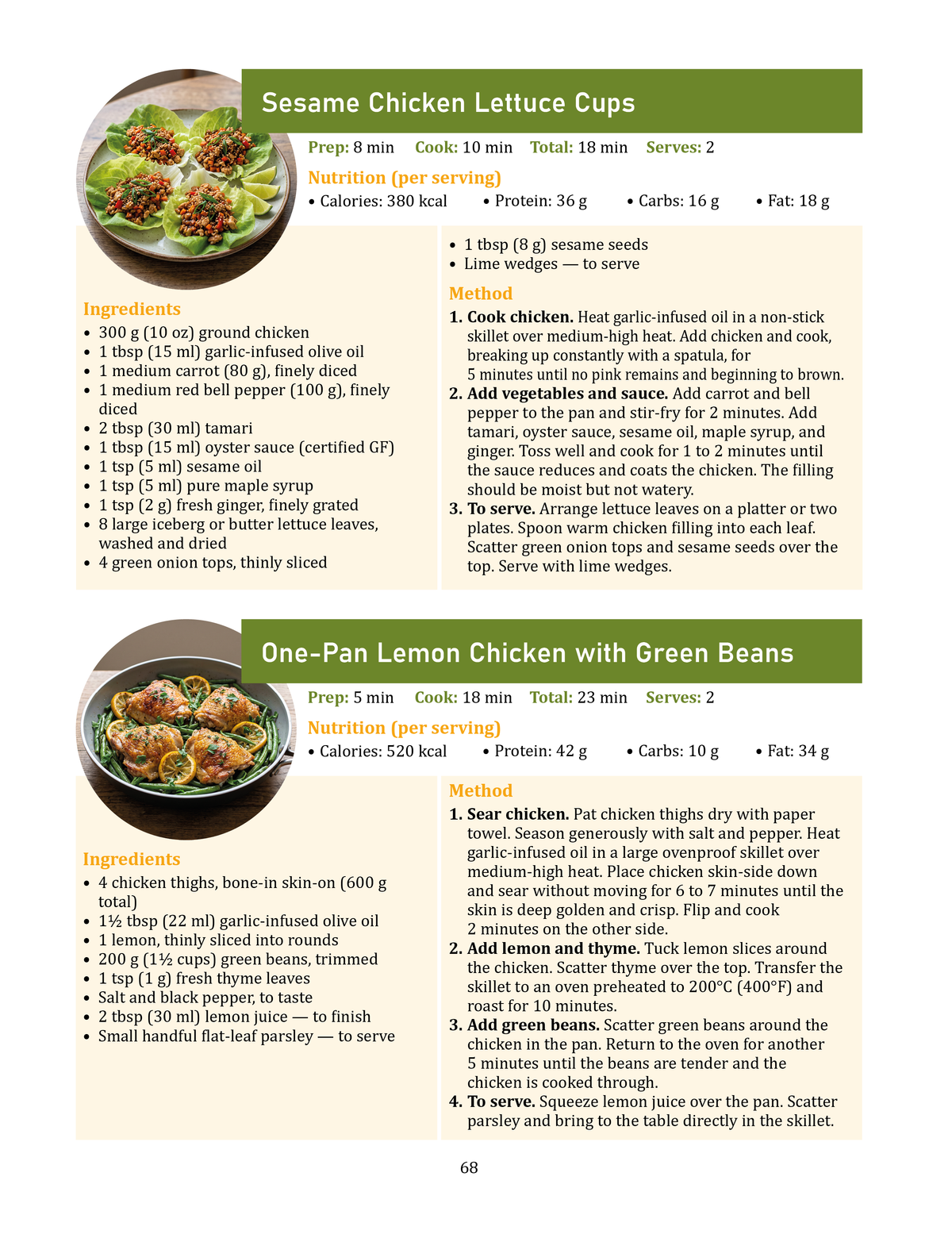
- Lemon Herb Baked Salmon with Roasted Potatoes
- 20-Minute Beef Stir-Fry with Bok Choy
- Garlic-Oil Shrimp with Zucchini Noodles
- One-Pan Lemon Chicken with Green Beans
- Turkey Meatballs with Tomato Sauce and GF Pasta
- Coconut Curry Chicken
- Lamb Kofta with Quinoa Tabbouleh
- Beef Bulgogi Bowl with Rice
Snacks & Sauces
Snacks
- Rice cakes with peanut butter and banana
- Lactose-free yogurt parfait
- Vegetable sticks with herb dip
- Homemade trail mix
- Pumpkin seed bars
- Seasoned popcorn
- Maple walnut bliss balls
Sauces, Oils & Dressings
- Garlic-infused oil
- Low FODMAP BBQ sauce
- Tomato pasta sauce
- Green herb oil
- Tartar sauce
- Peanut satay sauce
- Lemon tahini dressing
- Maple Dijon vinaigrette
Desserts
- Lactose-free and coconut-based desserts
- Fruit sorbets and frozen treats
- Gluten-free cakes, tarts, and cookies
- Chocolate and peanut butter treats
- Naturally sweetened fruit desserts
Recipes include:
- Lactose-Free Chocolate Mousse
- Coconut Panna Cotta
- Pineapple Sorbet
- Strawberry Chia Jam Tart
- Banana “Nice Cream”
- Blueberry Lemon Polenta Cake
- Coconut Lemon Drops
- Coconut Macaroons
- Dark Chocolate and Peanut Butter Cups
- Baked Cinnamon Pineapple
Part Four — Reintroduction & Personalization
Chapter 7 — Reintroduction Guide
- Knowing when to begin reintroduction
- Establishing a stable symptom baseline
- Testing one FODMAP category at a time
- Selecting challenge foods
- Increasing portions gradually
- Recording symptoms and tolerance
- Taking breaks between challenges
- Interpreting the results
- Reintroducing tolerated foods
- Creating a personalized long-term diet
- Avoiding unnecessary food restrictions
- Seeking professional guidance when needed
Conclusion
- Moving beyond the elimination phase
- Using the cookbook according to personal tolerance
- Maintaining nutritional variety
- Continuing meal planning without excessive restriction
- Focusing on manageable, sustainable everyday cooking
Sample Chapter
Introduction
Why 20 Minutes?
There is a persistent myth that eating well for a sensitive gut requires hours in the kitchen — elaborate meal prep, obscure ingredients, and a calendar cleared for cooking. This book exists to prove otherwise.
Twenty minutes is not a compromise. It is a constraint that forces clarity. When you have to get dinner on the table fast, you reach for real ingredients, simple techniques, and bold flavors — and that turns out to be exactly what a Low FODMAP kitchen does best. Grilled salmon with lemon herb oil. A quinoa bowl with roasted peppers and a peanut sauce. Scrambled eggs with wilted spinach on gluten-free toast. Every option is quick — under 20 minutes — and still full-flavored, not like diet food at all.
Every recipe in this book was designed around one rule: from fridge to table in 20 minutes or less, using ingredients you can find at any supermarket. No specialty health food stores required. No equipment beyond a good skillet, a saucepan, and a sheet pan.
Who This Book Is For
This book is for you if:
- You have been diagnosed with IBS or a functional digestive disorder and want a practical, kitchen-ready guide to the Low FODMAP elimination phase
- You have completed the elimination phase with a dietitian and need 100 ideas for what to actually cook every day
- You are cooking for a partner, family member, or housemate who follows the Low FODMAP diet, and you want meals the whole table can enjoy
- You may be frustrated by ongoing bloating, digestive discomfort, or unpredictable bowel patterns and want to explore a research-supported dietary strategy with guidance from a qualified healthcare professional
You do not need to be an experienced cook. You do not need prior knowledge of FODMAPs. Every concept is explained from the ground up, and the recipes are written for someone who might be standing in their kitchen on a Tuesday evening, hungry and out of ideas.
How to Use This Book
If you are new to the Low FODMAP diet, start at the beginning. Chapter 1 explains what FODMAPs are and why they cause problems for people with IBS. Chapter 2 walks you through the three phases of the diet — elimination, reintroduction, and personalization — so you understand not just what to eat, but why, and for how long. Chapter 3 gives you the full food lists. Chapter 4 covers the kitchen essentials and the most important substitutions you will need before you cook a single recipe.
If you already know the diet, jump straight to Chapter 5 for the 4-week meal plan, or go directly to Chapter 6 and pick any recipe that sounds good tonight.
The meal plan in Chapter 5 is a ready-made roadmap for four weeks of elimination-phase eating. Use it as written, swap individual meals freely, or treat it as inspiration for building your own rotation. Every meal in the plan links to a recipe in Chapter 6.
The Reintroduction Guide in Chapter 7 is not for the elimination phase — save it for when your symptoms have stabilized, and you are ready to start testing which FODMAP groups your body can actually tolerate. Most people find they are not sensitive to everything, and that chapter is where you start building back a more flexible, varied diet.
A Note on Serving Sizes and FODMAP Loads
One of the most important and frequently misunderstood aspects of the Low FODMAP diet is that portion size determines safety. This is not an allergy — it is a dose-dependent sensitivity. Many foods that appear on both the “safe” and “avoid” lists in different sources are the same food at different serving sizes.
A classic example: blueberries. Twenty blueberries per serving is Low FODMAP and generally considered safe for most people in the elimination phase, within this serving size. A full cup of blueberries is high FODMAP. The berries have not changed — only the amount.
All serving sizes in this book are calibrated to the guidelines published and regularly updated by Monash University, the research institution that developed the Low FODMAP diet and maintains the world’s most comprehensive FODMAP food database. When a recipe calls for a specific weight or volume of an ingredient that has a FODMAP threshold, that quantity is intentional — do not double it without first checking the current Monash FODMAP app.
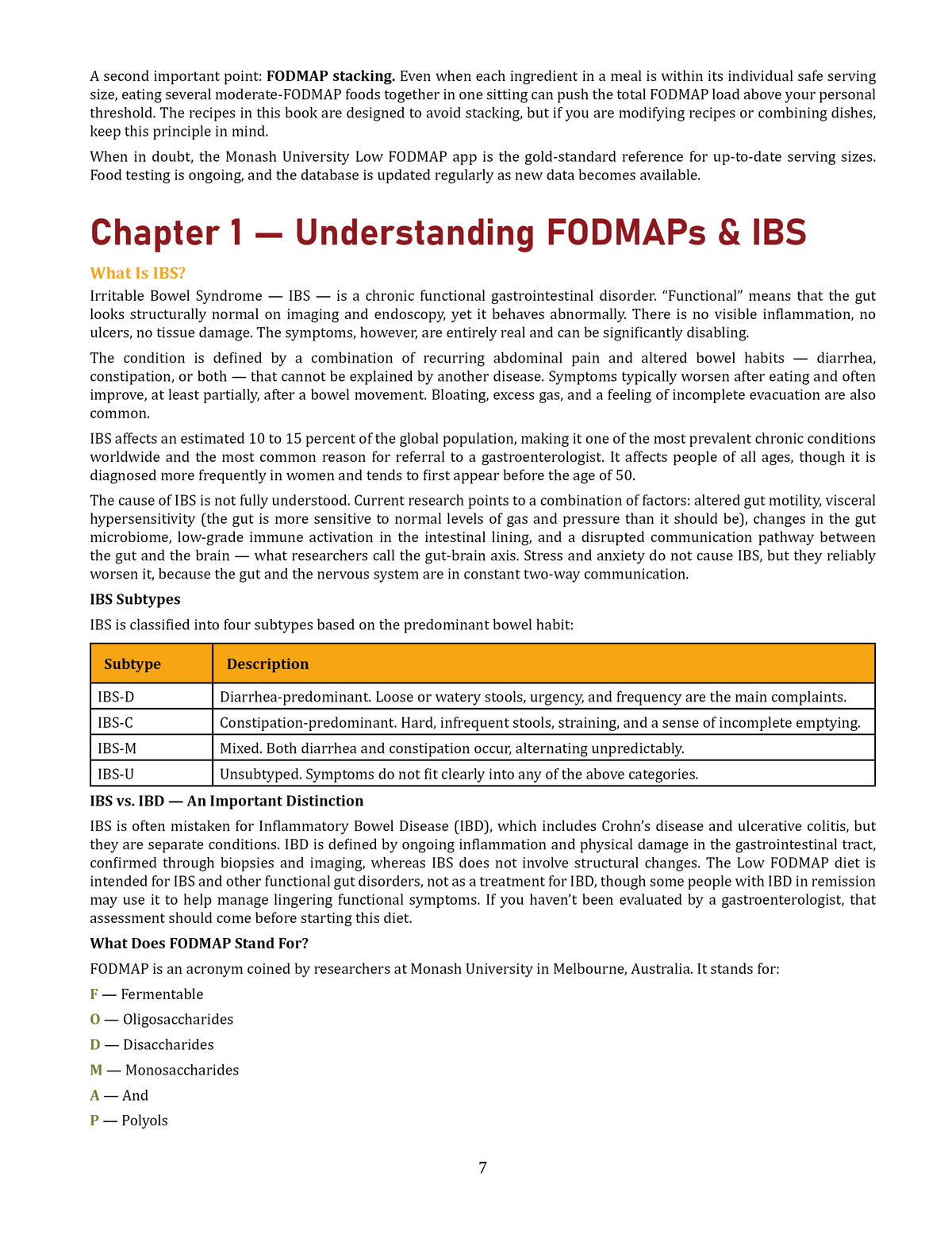
A second important point: FODMAP stacking. Even when each ingredient in a meal is within its individual safe serving size, eating several moderate-FODMAP foods together in one sitting can push the total FODMAP load above your personal threshold. The recipes in this book are designed to avoid stacking, but if you are modifying recipes or combining dishes, keep this principle in mind.
When in doubt, the Monash University Low FODMAP app is the gold-standard reference for up-to-date serving sizes. Food testing is ongoing, and the database is updated regularly as new data becomes available.
See Inside the Book


