


BookLab
Gout Diet Cookbook for Beginners
Gout Diet Cookbook for Beginners
SKU:15987938
- Ready to publish on Amazon KDP
- Human-Written Manuscript
Couldn't load pickup availability
Premium Publishing Asset for Amazon Sellers: Gout Diet Cookbook for Beginners
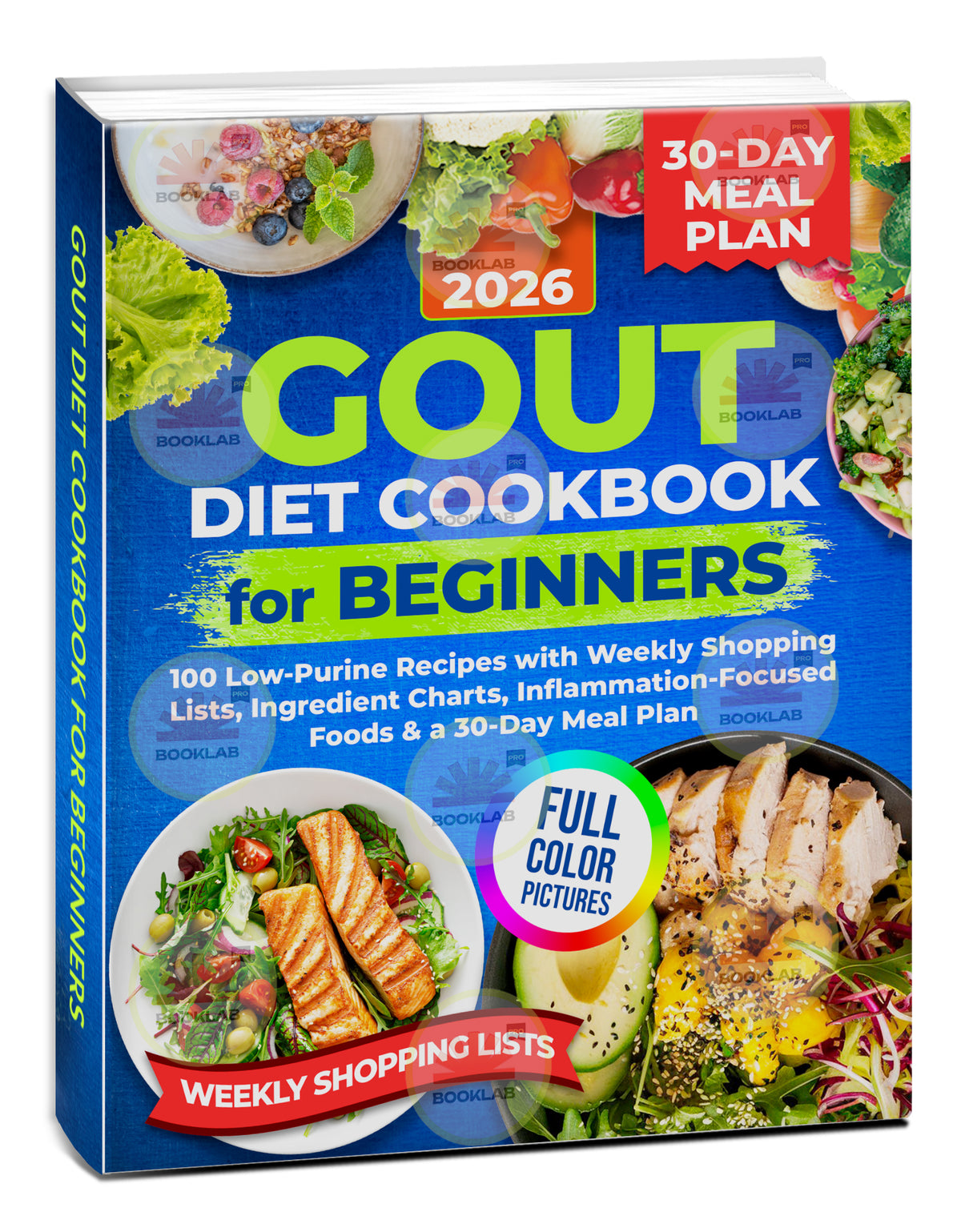
Gout Diet Cookbook for Beginners: 100 Low-Purine Recipes with Weekly Shopping Lists, Ingredient Charts, Inflammation-Focused Foods & a 30-Day Meal Plan
A comprehensive, polished, and ready-to-publish cookbook for Amazon sellers who want to leverage the high-demand Gout Diet niche. This complete guide has everything you need to create a gout-free lifestyle in a simple and easy-to-follow way. Designed for readers who have gout or who cannot manage their symptoms well, it is a long-term low-purine diet.
What’s in It?
- ✔️ ~130 pages of professionally written, edited, publishable material
- ✔️ 100 unique recipes for every level of gout-friendly eating
- ✔️ 30-day meal plan with shopping list
- ✔️ Clear breakdown of a balanced diet
- ✔️ Table of contents and recipe description
- ✔️ Lifestyle and health tips plus hydration and stress reduction techniques
- ✔️ Available in both Kindle and Paperback formats
- ✔️ 100% original with no plagiarism
📈 Why Is This Asset Worth Over $1,000?
This fully equipped and ready product specializes in the health and wellness industry and has a well-managed plan focused on diet. This cookbook avoids common gout triggers and incorporates ingredients shown to reduce uric acid levels and inflammation. Perfect for Amazon KDP sellers looking to expand into this evergreen niche.
💼 Ideal For
- KDP publishers expanding their catalog
- Industries developing consumer books
- Entrepreneurs seeking to create digital products that support health
- Sellers tapping into the growing market for illness-specific cookbooks
🚀 What Makes This Book Unique?
- A structured, step-by-step diet plan for gout management
- Beginner-friendly ingredients and easy-to-follow recipes
- Based on current nutrition science and thorough research
- Flexible plans for different stages (Acute Flare, Recovery, Remission)
- Practical tips for implementing lifestyle changes
- 100% original, plagiarism-checked content
- Number of pages: 125
- Trim Size Paperback: 8,5*11
- Trim Size Hardcover: 8,25*11
Share

What's Included
-
Manuscript PDF
Complete manuscript in PDF format
-
eBook Format
Ready-to-publish electronic book format
-
Plagiarism Report
Detailed plagiarism check report
-
Book Cover
Covers that sell and visuals that grab attention
-
Book Description
Book description for marketing purposes
-
Book Quality Guide
Guide to reviewing book quality before publishing on Amazon KDP
Book Details
Human-Written Content
This manuscript was written by human authors and reviewed by editors. We do not use AI-generated text for the core book content. Each title is created as an original publishing asset for Amazon KDP sellers who want ready-to-use, professional-quality content.
Outline Overview
INTRODUCTION
- What Is Gout and Why It Happens
- The Role of Diet in Uric Acid Regulation
- How to Use This Cookbook Effectively
PART 1: THE FOUNDATIONS OF A GOUT-FRIENDLY LIFESTYLE
- Chapter 1. Understanding Gout: Science, Purines, and Triggers.
- Chapter 2. The Three Phases of the Gout Diet: Acute Flare, Recovery, and Remission.
- Chapter 3. What to Eat and Avoid: Comprehensive lists of safe and risky foods.
- Chapter 4. Nutrition Principles: Fructose management, hydration, and plant proteins.
PART 2: 100 GOUT-FRIENDLY RECIPES
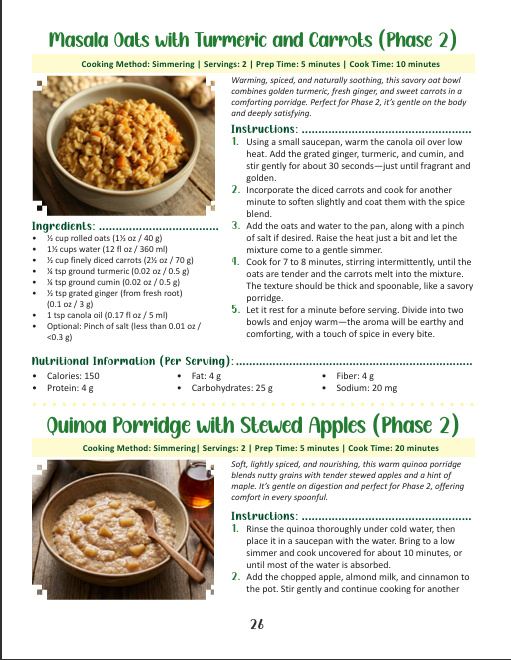
- Breakfasts (20 Recipes): From Acute Flare porridges to Remission-phase Avocado Toast.
- Lunches (20 Recipes): Including Mediterranean Chickpea Bowls and Vietnamese Noodle Salads.
- Dinners (20 Recipes): Anti-inflammatory meals like Miso-Glazed Cod and Vegetable Lasagna.
- Snacks & Desserts (20 Recipes): Gout-safe treats like Mango Coconut Pudding and Roasted Chickpeas.
- Soups & Stews (10 Recipes): Gentle Carrot-Ginger soup to hearty Vegetable Minestrone.
- Bonus Recipes (10 Recipes): Low-purine Pizza, Gout-safe Shepherd’s Pie, and more.
PART 3: 28-DAY GOUT MEAL PLAN
- Step-by-step weekly roadmaps (Weeks 1–4) covering all dietary phases.
PART 4: WEEKLY SHOPPING LISTS
- Detailed, categorized lists for every week of the plan.
PART 5: LIFESTYLE STRATEGIES FOR GOUT CONTROL
- Kitchen Essentials and Natural Anti-Inflammatory Boosters.
- Exercise and Movement Guidelines during and after flares.
- Stress, Sleep, and Managing Social Events/Dining Out.
APPENDICES
- Appendix A: Purine Content Food Chart (Low vs. High Purine).
- Appendix B: Gout-Friendly Substitutions.
- Appendix C & D: Gentle Cooking Techniques and Conversion Tables.
CONCLUSION
Sample Chapter
PART 1: THE FOUNDATIONS OF A GOUT-FRIENDLY LIFESTYLE
Chapter 1. Understanding Gout and Uric Acid
What Causes Gout: The Science Behind the Pain
Gout is not just about occasional joint pain—it’s a metabolic disorder rooted in the way your body handles waste. At the heart of it lies uric acid, a substance produced when your body breaks down purines. Typically, uric acid mixes into the blood, travels to the kidneys, and leaves the body via urine. But when production outpaces excretion, or the kidneys aren’t working efficiently, uric acid levels climb too high.
Once those levels reach a critical point, uric acid begins to crystallize. These sharp crystals settle in joints—especially cooler areas like the toes or fingers—and trigger the body’s immune response. The result is a flare: redness, swelling, heat, and intense, stabbing pain. For some, this lasts hours; for others, several days. Gout can be episodic, but without proper management, it can become chronic and cause lasting joint damage.
What Are Purines and Where They Hide
Purines are natural compounds found in every cell of the body, and in many foods. They’re vital for energy production and DNA synthesis. Your body produces purines internally, but dietary purines can significantly contribute to total levels.
Not all purines are created equal. Foods high in purines—especially those from animal sources—are more likely to raise uric acid levels. These include:
- Organ meats (like liver, kidneys)
- Certain seafood (anchovies, sardines, mussels, scallops)
- Red meats
- Meat-based broths and gravies
- Yeast products, including beer and nutritional yeast
Even some plant foods like spinach and mushrooms contain moderate purines, but studies show they don’t affect gout as strongly. That’s why the quality and source of purines matter as much as the quantity.
Risk Factors and Triggers
Various conditions may heighten the chance of developing gout or trigger more frequent attacks:
- Genetics: A family history of gout raises your risk
- Kidney dysfunction: Impaired filtration increases uric acid retention
- Diet: High-purine foods, sugary drinks, and alcohol all contribute
- Obesity: Excess weight strains the kidneys and increases uric acid production
- Certain medications: Diuretics and some blood pressure drugs can raise uric acid levels
- Dehydration: Low fluid intake leads to more concentrated uric acid
Understanding these risk factors gives you the power to shift the odds in your favor. While you can’t change your genes, you can change how your body responds—starting with your plate.
How Diet Affects Flares and Recovery
Food is not the sole cause of gout, but it plays a defining role in how the disease unfolds. What you eat influences the amount of uric acid in your bloodstream, your level of inflammation, and how well your kidneys function.
A diet rich in purine-heavy meats and alcohol puts the body on high alert. In contrast, a pattern of eating centered around fruits, vegetables, whole grains, low-fat dairy, and plenty of water supports uric acid elimination and reduces flare frequency.
But it’s not only about avoiding triggers. The right foods actively protect you. Cherries, for example, have been shown to lower uric acid levels and inflammation. Hydrating well helps the kidneys flush out excess waste. Choosing slow-digesting carbohydrates and plant-based proteins improves insulin sensitivity, which also lowers uric acid over time. What you eat can either invite pain—or help you move beyond it. The choice, day by day, is yours.
See Inside the Book


