


BookLab
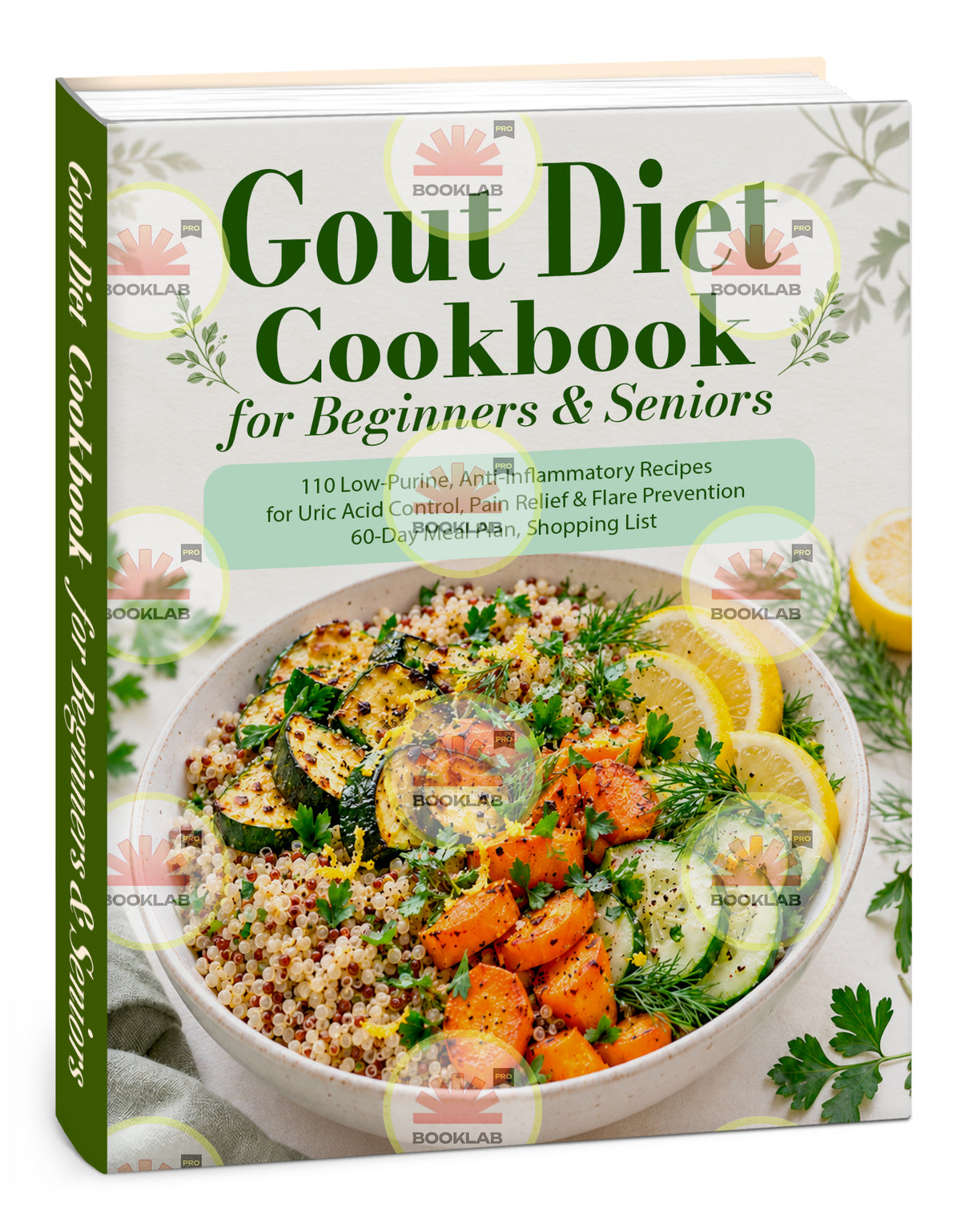
Gout Diet Cookbook for Beginners & Seniors
Gout Diet Cookbook for Beginners & Seniors
SKU:15771284
- Ready to publish on Amazon KDP
- Human-Written Manuscript
Couldn't load pickup availability
Premium Publishing Asset for Amazon Sellers: Gout Diet Cookbook for Beginners & Seniors
A polished, professionally structured cookbook — fully prepared as a high-quality publishing asset for the gout-friendly, low-purine, and healthy eating niche.
This asset is designed for Amazon sellers who want to enter or expand within the gout diet cookbook category without spending weeks developing, organizing, and editing a complete manuscript from scratch. Built around low-purine eating, practical meal planning, everyday ingredients, and beginner-friendly nutrition guidance, this book offers a clear structure and useful tools for readers looking to make more informed food choices while managing a gout-conscious lifestyle.
⭐️ What’s Included:
✔️ Complete cookbook manuscript
✔️ 110 gout-friendly recipes for every part of the day
✔️ Breakfasts, lunches, dinners, soups, stews, salads, vegetarian dishes, desserts, sauces, dressings, and condiments
✔️ A complete 60-day gout diet meal plan
✔️ 9 weeks of organized shopping lists
✔️ Clear guidance on uric acid, purines, hydration, sugar, fructose, alcohol, and food choices
✔️ Purine level charts and practical food reference tables
✔️ Food substitution guide for easier meal customization
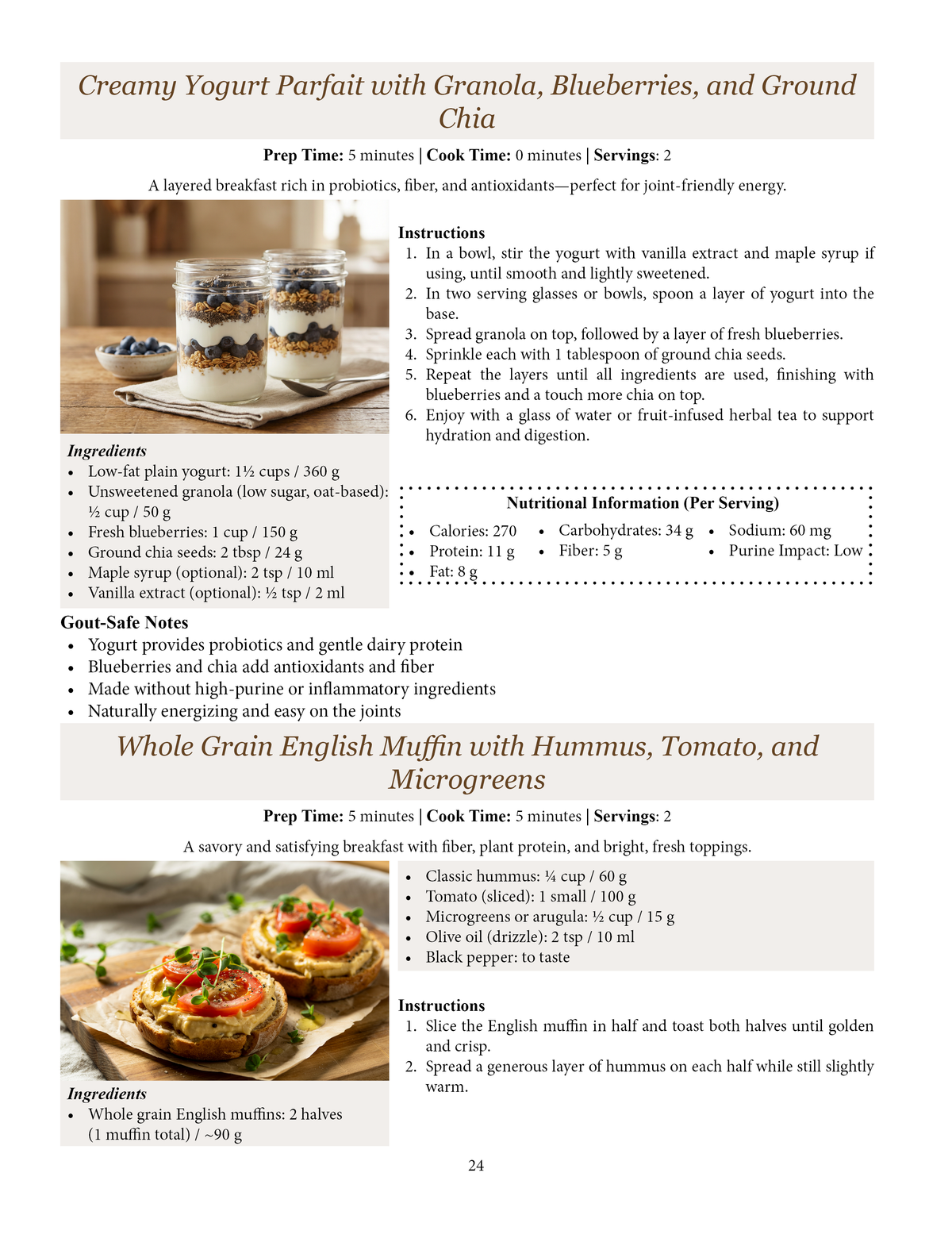
✔️ Nutritional information included with recipes
✔️ Purine Impact guidance and Gout-Safe Notes included throughout the recipe section
✔️ Practical chapters on meal planning, pantry staples, grocery shopping, eating out, food journaling, symptom tracking, and lifestyle habits
✔️ US-to-Metric unit conversion chart
📈 Why Is This an Asset Worth Over $1,000?
You’re getting a complete, niche-focused cookbook concept in the established health and wellness publishing market. Gout-focused cookbooks appeal to readers searching for practical low-purine meals, clear food guidance, structured meal plans, and easy ways to organize everyday eating.
This manuscript combines 110 recipes, a 60-day meal plan, weekly shopping lists, purine guidance, nutritional information, food substitutions, and practical lifestyle content in one cohesive product. Instead of offering only recipes, it provides readers with the educational and planning tools needed to better understand gout-conscious eating and build a more structured routine.
For publishers, this creates a substantial and well-positioned asset that can fit naturally into a broader catalog of diet, senior wellness, low-purine, anti-inflammatory, and healthy lifestyle books.
💼 Ideal For:
• KDP publishers expanding into the gout diet and low-purine niche
• Publishing agencies looking for ready-to-position health cookbook content
• Entrepreneurs selling wellness-focused publishing assets
• Sellers building a catalog of diet, senior nutrition, and meal-planning books
• Amazon sellers targeting beginner-friendly and senior-friendly cookbook audiences
🚀 What Makes This Book Special:
• 110 recipes organized into clear meal categories
• Strong low-purine and gout-conscious positioning
• A complete 60-day meal plan for long-term structure
• 9 weeks of shopping lists for easier grocery planning
• Purine content guidance and reference charts
• Nutritional details included with recipes
• Gout-Safe Notes and Purine Impact guidance throughout the recipe section
• Practical food substitutions for greater flexibility
• Beginner-friendly chapters explaining gout, uric acid, purines, hydration, and everyday food choices
• Additional lifestyle tools covering dining out, meal planning, food journaling, symptom tracking, and habit building
This cookbook is more than a recipe collection. It is a complete publishing asset combining 110 recipes, structured meal planning, shopping support, nutritional guidance, purine references, practical substitutions, and lifestyle tools — giving sellers a comprehensive gout diet cookbook concept ready to position within a health-focused KDP catalog.
- Number of pages: 127
- Trim Size Paperback: 8,5*11
- Trim Size Hardcover: 8,25*11
Share

What's Included
-
Manuscript PDF
Complete manuscript in PDF format
-
eBook Format
Ready-to-publish electronic book format
-
Plagiarism Report
Detailed plagiarism check report
-
Book Cover
Covers that sell and visuals that grab attention
-
Book Description
Book description for marketing purposes
-
Book Quality Guide
Guide to reviewing book quality before publishing on Amazon KDP
Book Details
Human-Written Content
This manuscript was written by human authors and reviewed by editors. We do not use AI-generated text for the core book content. Each title is created as an original publishing asset for Amazon KDP sellers who want ready-to-use, professional-quality content.
Outline Overview
Table of Contents
Introduction
- How to use this cookbook
- Understanding gout-conscious eating
- Creating a practical and sustainable food routine
- Using the recipes, meal plan, shopping lists, and reference materials
Section 1: Understanding Gout
Chapter 1: Causes and Risk Factors
- Common factors associated with gout
- Individual risk considerations
- The relationship between lifestyle and symptoms
Chapter 2: Uric Acid and Purines
- How uric acid is produced
- The role of dietary purines
- Understanding different purine levels in foods
Chapter 3: Symptoms and Diagnosis
- Common signs and symptoms
- How gout is evaluated
- When professional medical guidance is needed
Chapter 4: Acute and Chronic Gout
- Understanding gout flares
- Differences between acute and chronic gout
- Long-term management considerations
Chapter 5: Medication and the Role of Food
- How medical care and dietary choices work together
- The limits of dietary changes
- Building an informed food routine
Section 2: Nutrition Essentials
Chapter 6: Core Principles of a Gout-Conscious Diet
- Creating balanced everyday meals
- Portion awareness and meal variety
- Choosing practical ingredients
Chapter 7: What to Eat and What to Limit
- Lower-purine food choices
- Moderate- and higher-purine foods
- Building flexible meals without rigid restrictions
Chapter 8: Purine Levels in Common Foods
- Low-purine foods
- Moderate-purine foods
- Higher-purine foods
- Practical purine reference chart
Chapter 9: Hydration, Alcohol, Sugar, and Fructose
- Supporting consistent hydration
- Understanding sugary beverages and fructose
- Alcohol considerations
- Making informed beverage choices
Chapter 10: Gout-Friendly Cooking Methods
- Baking, steaming, poaching, and grilling
- Reducing unnecessary fats and added sugars
- Creating flavor with simple preparation methods
Chapter 11: Oils, Herbs, and Beneficial Fats
- Choosing cooking oils
- Using herbs and spices for flavor
- Incorporating nuts, seeds, and other fat sources
Chapter 12: Functional Foods and Natural Supports
- Foods commonly included in gout-conscious eating
- Using whole foods as part of a balanced routine
- Avoiding unrealistic dietary promises
Section 3: Practical Eating
Chapter 13: Meal Planning Made Simple
- Planning balanced meals
- Reusing ingredients efficiently
- Preparing meals for one or two people
- Batch cooking and advance preparation
Chapter 14: Grocery Tips and Pantry Staples
- Creating a practical shopping strategy
- Stocking grains, vegetables, proteins, and flavorings
- Reading labels and comparing products
Chapter 15: Eating Out and Staying on Track
- Reviewing menus
- Requesting simple substitutions
- Choosing practical portions
- Maintaining flexibility in social situations
Chapter 16: Support, Habits, and Lifestyle Balance
- Building consistent routines
- Supporting gradual changes
- Balancing nutrition with everyday life
Chapter 17: Food Journaling and Symptom Tracking
- Recording meals and beverages
- Tracking individual responses
- Identifying personal patterns
- Preparing useful information for healthcare appointments
Section 4: Recipes
Chapter 18: Breakfasts
- Whole-grain porridges and breakfast bowls
- Egg, tofu, and chickpea flour dishes
- Pancakes, fritters, and breakfast squares
- Yogurt, chia, fruit, and cottage cheese options
- Toasts, muffins, rice cakes, and vegetable hashes
Chapter 19: Lunches
- Chicken and turkey meals
- Salmon, trout, cod, and white fish dishes
- Brown rice, quinoa, barley, millet, and buckwheat
- Roasted, steamed, and sautéed vegetables
- Yogurt-, herb-, and olive oil–based sauces
Chapter 20: Dinners
- Fish, chicken, and turkey entrées
- Grain bowls, pilafs, patties, and stuffed vegetables
- Vegetable purées and roasted sides
- Coconut-based curry and tomato-free dishes
- Balanced meals using familiar ingredients
Chapter 21: Soups and Stews
- Turkey and root vegetable stews
- Chicken and grain soups
- White fish chowder and vegetable broth
- Lentil, pumpkin, carrot, and pea dishes
- Tomato-free soup and stew options
Chapter 22: Salads
- Chicken, turkey, fish, tuna, and egg salads
- Quinoa and roasted vegetable salads
- Beet, arugula, avocado, and cucumber combinations
- Yogurt, olive oil, lemon, and vinegar dressings
Chapter 23: Vegetarian Dishes
- Zucchini noodles and vegetable stir-fries
- Chickpea, lentil, and quinoa dishes
- Stuffed peppers and baked eggplant
- Tofu, frittata, soup, curry, and grain-based meals
Chapter 24: Desserts
- Chia pudding and yogurt bark
- Baked apples, pears, and pumpkin custard
- Quinoa muffins and oatmeal cookies
- Fruit, ricotta, nuts, and naturally sweetened treats
- Smoothies and berry desserts
Chapter 25: Dressings, Sauces, and Condiments
- Yogurt- and avocado-based dressings
- Olive oil vinaigrettes and drizzles
- Tahini, pesto, and cashew cream sauces
- Coconut-ginger and turmeric sauces
- Balsamic reduction and cucumber raita
Section 5: 60-Day Meal Plan
Chapter 26: Complete Nine-Week Meal Plan
- Week 1
- Week 2
- Week 3
- Week 4
- Week 5
- Week 6
- Week 7
- Week 8
- Week 9: Final four days
Chapter 27: Weekly Shopping Lists
- Shopping List for Week 1
- Shopping List for Week 2
- Shopping List for Week 3
- Shopping List for Week 4
- Shopping List for Week 5
- Shopping List for Week 6
- Shopping List for Week 7
- Shopping List for Week 8
- Shopping List for Week 9
Appendices
- Purine Content Reference Table
- Food Substitution Guide
- US-to-Metric Unit Conversion Chart
Conclusion
- Viewing gout as useful feedback rather than punishment
- Continuing gout-conscious eating beyond the meal plan
- Using gradual, flexible changes
- Maintaining hydration, meal-planning, and tracking habits
Sample Chapter
Section 1: Understanding Gout
1. Causes and Risk Factors
Gout is caused by an excess of uric acid in the bloodstream—a condition known as hyperuricemia. Uric acid is a normal waste product created when your body breaks down substances called purines, which are found in certain foods and also produced naturally by the body. When uric acid levels become too high, the kidneys may not be able to eliminate it effectively. As a result, sharp urate crystals can form and accumulate in the joints, leading to the intense pain and inflammation that characterizes gout.
While anyone can develop gout, certain risk factors make it more likely:
- Diet high in purines (e.g., red meat, seafood, alcohol, sugary drinks)
- Obesity and weight gain
- Health issues such as kidney disease, metabolic syndrome, diabetes, and high blood pressure
- Genetics—a family history of gout
- Age and gender—more common in men and postmenopausal women
- Dehydration or low fluid intake
- Certain medications (e.g., diuretics, aspirin, immunosuppressants)
Managing gout and avoiding flare-ups in the future begins with an understanding of these risk factors.
2. Uric Acid and Purines
Uric acid is created when the body processes purines. Purines are found naturally in your cells, but they’re also present in many foods. Uric acid typically dissolves in the blood and is eliminated through urine. However, when too much is produced or too little is eliminated, levels rise—leading to the formation of urate crystals.
High-purine foods that contribute to excess uric acid include:
- Organ meats (liver, kidneys)
- Red meats (beef, lamb, pork)
- Shellfish and oily fish (anchovies, sardines, mackerel)
- Alcohol, especially beer and spirits
- Sweetened beverages with fructose
Reducing purine intake can significantly lower uric acid levels. At the same time, increasing foods that promote uric acid excretion—like vegetables, water-rich fruits, whole grains, and low-fat dairy—can help keep gout under control.
3. Symptoms and Diagnosis
A gout attack often begins suddenly, frequently overnight, and can feel like a joint is on fire. The affected area becomes swollen, red, hot, and extremely tender to the touch—even the weight of a bedsheet can feel unbearable.
Common signs and symptoms include:
- Intense joint pain (often in the big toe, but also knees, ankles, feet, elbows)
- Inflammation and redness
- Swelling and stiffness
- Limited joint mobility during and after attacks
A doctor may diagnose gout based on:
- Physical examination of affected joints
- Blood tests to measure uric acid levels
- Joint fluid analysis (to detect urate crystals)
- Imaging tests like ultrasound or X-rays in chronic cases
In order to avoid irreversible joint damage and lower the frequency of flare-ups, early diagnosis and treatment are essential.
4. Acute vs. Chronic Gout
Acute gout refers to sudden flare-ups that typically last 3 to 10 days. These episodes can be spaced out over weeks, months, or even years, especially early in the condition’s development. However, without intervention, attacks can become more frequent and severe.
Chronic gout develops when uric acid levels remain elevated over time, leading to:
- More frequent flares
- Joint deformity or damage
- Deposits of urate crystals under the skin (called tophi)
- Reduced joint function
Long-term dietary changes, medication when needed, and consistent hydration can help prevent progression from acute to chronic gout.
5. Medication and the Role of Food
Medication plays a role in managing gout for many people, especially those with recurring attacks or consistently high uric acid levels. These treatments may include:
- Anti-inflammatory drugs (NSAIDs, colchicine) to relieve flare-ups
- Urate-lowering therapies (e.g., allopurinol, febuxostat) to prevent future attacks
- Corticosteroids for severe inflammation
However, medication alone is not a cure. Diet remains a central part of controlling gout and improving overall wellness. Eating the right foods can:
- Reduce inflammation
- Lower uric acid levels naturally
- Support kidney function
- Promote healthy weight management
- Complement the effects of prescribed medications
This book focuses on the part of the equation you control daily: food. With the right choices, you can take an active role in living well with gout—starting with your next meal.
See Inside the Book


