


BookLab
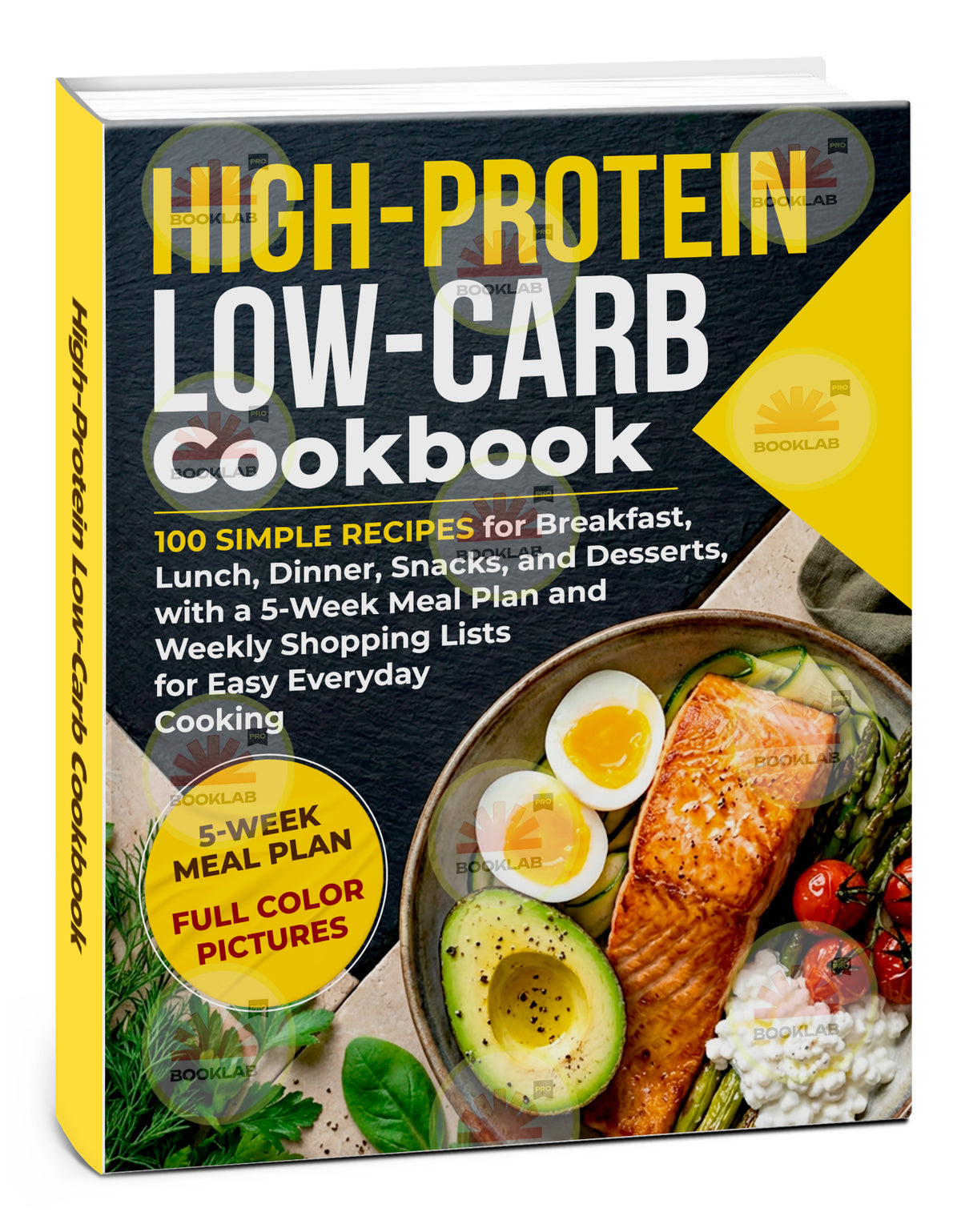
High-Protein Low-Carb Cookbook
High-Protein Low-Carb Cookbook
SKU:17142582
- Ready to publish on Amazon KDP
- Human-Written Manuscript
Couldn't load pickup availability
Premium Publishing Asset for Amazon Sellers: High-Protein Low-Carb Cookbook
A complete, professionally structured 102-page cookbook manuscript featuring 100 high-protein, low-carb recipes, a 5-week meal plan, weekly shopping lists, nutritional information, practical ingredient guidance, and everyday cooking tips — fully written, organized, and ready for publishing preparation.
This publishing asset is designed for Amazon sellers entering or expanding within the high-protein, low-carb cooking, healthy eating, meal-planning, protein-focused nutrition, and everyday wellness cookbook niches.
Created for readers seeking satisfying meals with fewer refined carbohydrates, the manuscript combines accessible recipes, practical nutritional guidance, organized meal planning, and flexible cooking ideas for everyday use.
⭐️ What’s Included
✔️ Complete 102-page cookbook manuscript focused on high-protein, low-carb everyday cooking
✔️ 100 recipes organized into five practical categories
✔️ 20 protein-rich breakfasts, including egg muffins, breakfast bowls, omelets, and almond flour pancakes
✔️ 20 satisfying lunches featuring protein bowls, fresh salads, lettuce wraps, poultry, and seafood
✔️ 30 flavorful dinners featuring chicken, beef, turkey, fish, seafood, and vegetable-based dishes
✔️ 15 snacks, light meals, and protein boosters
✔️ 15 high-protein, low-carb desserts, including mousses, brownies, puddings, and baked treats
✔️ Structured 5-week meal plan with organized daily meal suggestions
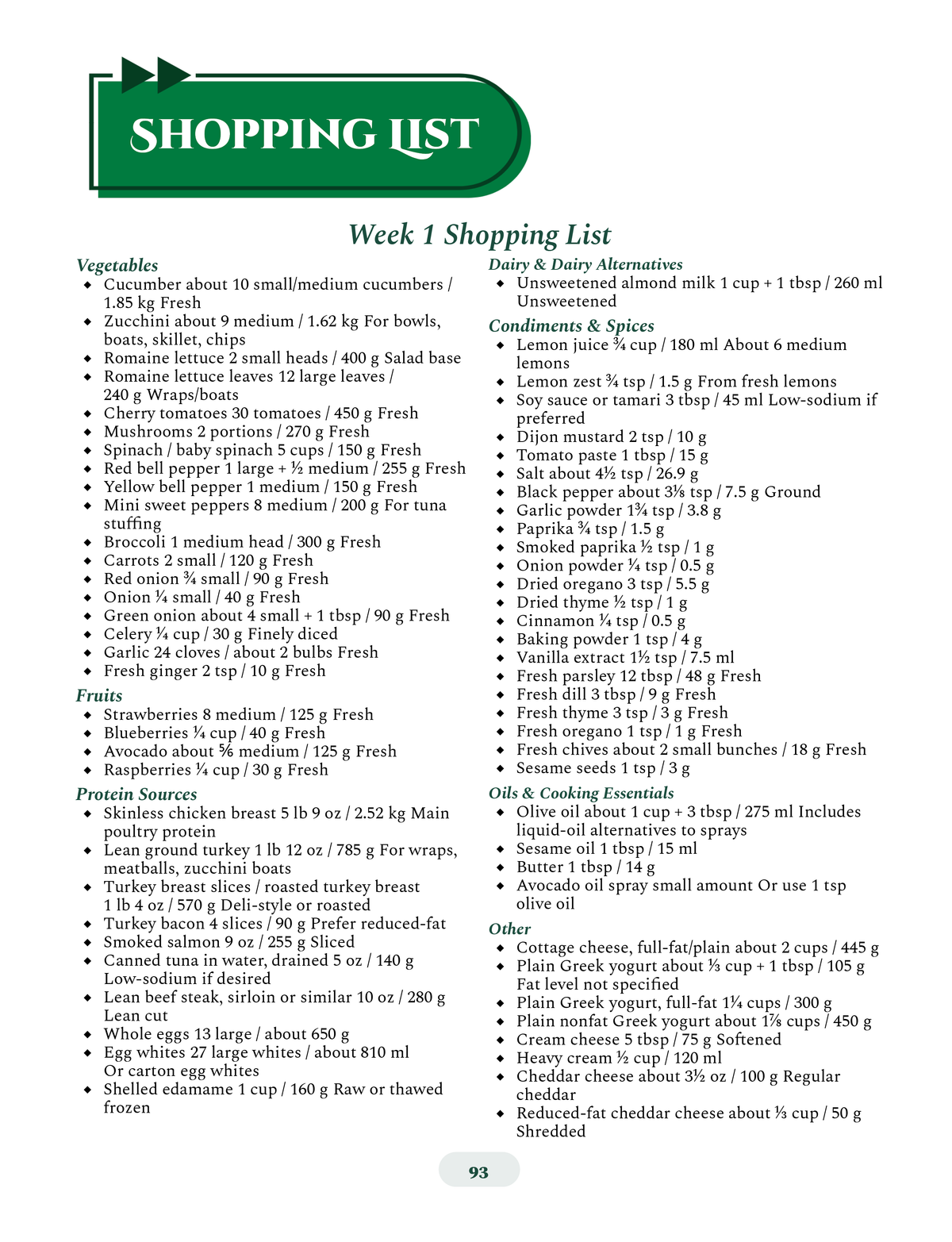
✔️ Five weekly shopping lists supporting grocery planning and meal preparation
✔️ Nutritional information per serving, including calories, protein, carbohydrates, fats, and additional nutrients
✔️ Clear ingredient lists, preparation and cooking times, serving sizes, and step-by-step instructions
✔️ Educational sections explaining protein, carbohydrates, healthy fats, and balanced meal composition
✔️ Practical guidance on choosing protein sources, low-carb vegetables, and pantry essentials
✔️ Ingredient substitutions and strategies for reducing refined carbohydrates and added sugars
✔️ Flexible meal-planning suggestions for different schedules and cooking preferences
✔️ Suitable for Kindle and paperback publishing preparation
📈 Why This Is a Valuable Publishing Asset
You’re getting a complete, professionally organized 102-page cookbook manuscript — not simply a collection of high-protein recipes.
The high-protein, low-carb niche connects several established reader interests, including protein-focused eating, carbohydrate-conscious meal preparation, practical nutrition, home cooking, and structured meal planning.
Readers exploring these approaches often seek recipes that combine satisfying portions, familiar ingredients, manageable preparation methods, and reliable nutritional information.
This manuscript addresses those interests through five clearly organized recipe categories, educational introductory chapters, and a practical 5-week meal plan.
Its 100 recipes cover every major eating occasion, helping readers create a varied routine without relying on complicated ingredients or restrictive meal combinations. The accompanying shopping lists and planning resources provide a structured approach to organizing meals and grocery purchases.
💼 Ideal For
- KDP publishers expanding their healthy eating and diet cookbook catalogs
- Publishing agencies seeking complete culinary manuscripts
- Entrepreneurs developing Kindle, paperback, or digital recipe collections
- Sellers entering the high-protein, low-carb, or meal-planning cookbook niches
- Publishers targeting home cooks interested in protein-focused nutrition
- Amazon sellers exploring practical wellness and everyday cooking categories
🚀 What Makes This Book Special
- 100 recipes across five everyday meal categories
- Protein-rich meals with fewer refined carbohydrates
- Complete 5-week meal plan and weekly shopping lists
- Breakfasts, lunches, dinners, snacks, and desserts
- Poultry, seafood, meat, eggs, dairy, and selected plant-based proteins
- Estimated nutritional information for every recipe
- Practical ingredient-selection guidance and food substitutions
- Familiar ingredients and approachable cooking methods
- Recipes suitable for everyday cooking and advance meal preparation
- Flexible eating guidance without extreme dietary promises
- An organized foundation for a focused culinary publishing project
This is a complete publishing asset for Amazon sellers seeking a practical, content-rich manuscript in the high-protein, low-carb cookbook market.
With its 102-page structure, 100 recipes, five meal categories, nutritional information, 5-week meal plan, weekly shopping lists, and educational cooking guidance, High-Protein Low-Carb Cookbook provides a solid foundation for developing an Amazon KDP publication focused on flavorful, protein-rich meals and convenient everyday cooking.
- Number of pages: 102
- Trim Size Paperback: 8,5*11
- Trim Size Hardcover: 8,25*11
Share
What's Included
-
Manuscript PDF
Complete manuscript in PDF format
-
eBook Format
Ready-to-publish electronic book format
-
Plagiarism Report
Detailed plagiarism check report
-
Book Cover
Covers that sell and visuals that grab attention
-
Book Description
Book description for marketing purposes
-
Book Quality Guide
Guide to reviewing book quality before publishing on Amazon KDP
Book Details
Human-Written Content
This manuscript was written by human authors and reviewed by editors. We do not use AI-generated text for the core book content. Each title is created as an original publishing asset for Amazon KDP sellers who want ready-to-use, professional-quality content.
Outline Overview
Table of Contents
Introduction: Getting Started with High-Protein, Low-Carb Cooking
- Understanding protein, carbohydrates, and healthy fats
- Benefits of building meals around satisfying protein sources
- Choosing meat, poultry, seafood, eggs, dairy, and plant-based proteins
- Selecting low-carb vegetables and pantry staples
- Reducing refined carbohydrates and added sugars
- Building balanced high-protein meals
- Using ingredient substitutions
- Planning meals for different schedules
- Understanding the nutritional estimates
- How to use the recipes and meal plan
Part I: High-Protein Breakfasts
Chapter 1: Satisfying Breakfasts
Protein-rich morning meals featuring eggs, dairy, poultry, seafood, nuts, seeds, and low-carb vegetables.
Recipes include:
- Spinach and Feta Egg Muffins
- Smoked Salmon Avocado Breakfast Bowl
- Turkey and Vegetable Breakfast Skillet
- Cottage Cheese Berry Protein Bowl
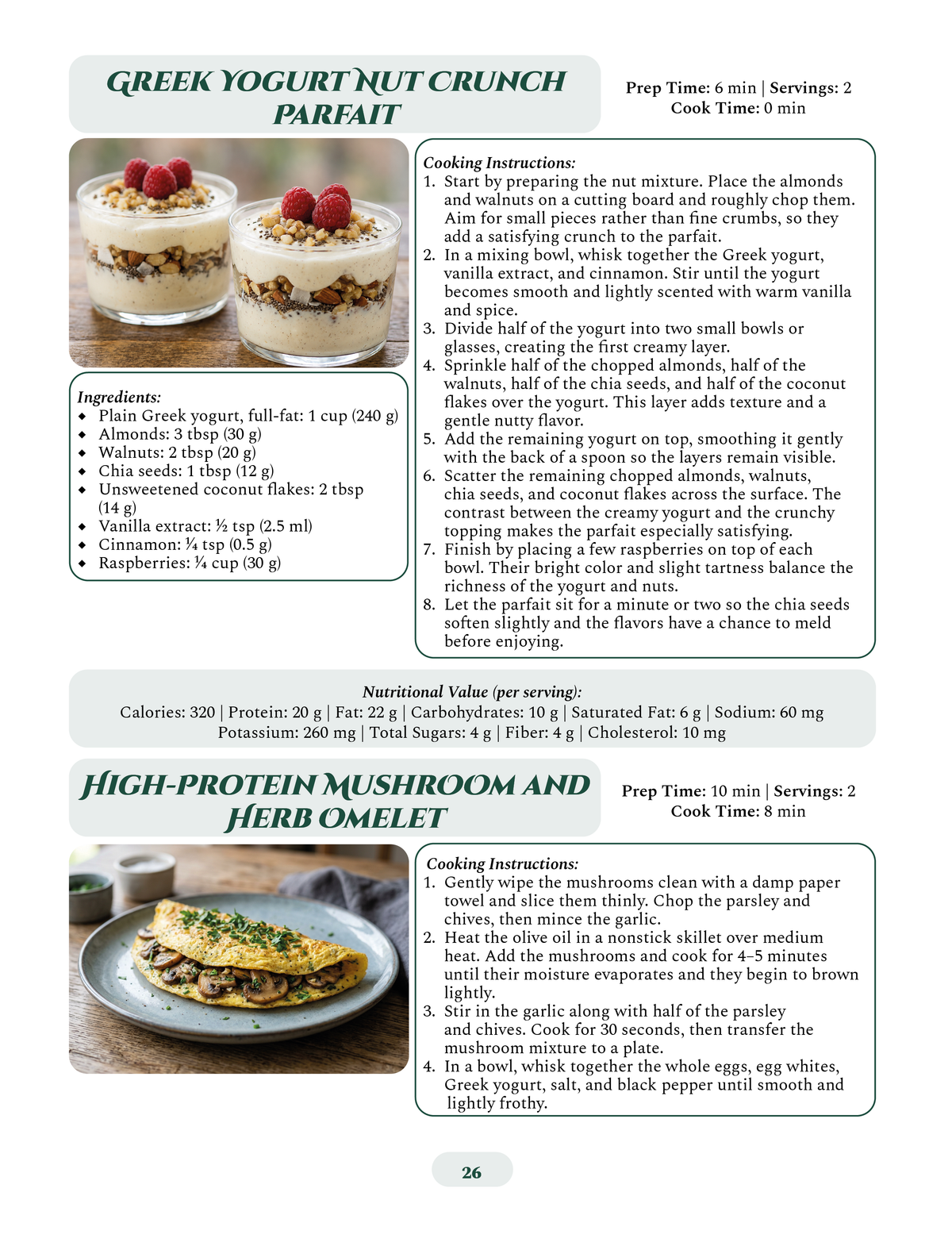
- Mushroom and Herb Omelet
- Almond Flour Protein Pancakes
- Greek Yogurt Nut Crunch Parfait
- Chicken Sausage and Pepper Scramble
- Avocado Egg Power Boats
- Zucchini and Cheddar Breakfast Frittata
- Protein Chia Seed Pudding
- Bacon and Egg Breakfast Cups
- Low-Carb Protein Smoothie Bowl
- Ricotta and Walnut Breakfast Cream
- Cauliflower Hash with Fried Eggs
- Spinach Protein Crepes
- Egg White and Turkey Wrap
- Broccoli and Cheese Egg Bake
- Savory Almond Waffles with Smoked Salmon and Cream Cheese
- Savory Salmon and Egg Plate
Part II: High-Protein Lunches
Chapter 2: Bowls, Salads, Wraps, and Light Meals
Convenient lunches combining lean proteins, fresh vegetables, satisfying fats, and flavorful dressings.
Recipes include:
- Lemon Herb Grilled Chicken Salad
- Tuna and Avocado Power Bowl
- Turkey Lettuce Wraps with Garlic Sauce
- Mediterranean Chicken Protein Bowl
- Shrimp and Zucchini Noodle Salad
- Grilled Steak and Arugula Plate
- Spicy Tofu and Vegetable Stir-Fry
- Cottage Cheese and Roasted Vegetable Bowl
- Sesame Ginger Chicken Salad
- Egg and Avocado Protein Salad
- Chicken Caesar Lettuce Boats
- Salmon Cucumber Dill Salad
- Greek Turkey Protein Plate
- Coconut Shrimp Lettuce Wraps
- Avocado Chicken Protein Wraps
- Grilled Halloumi and Vegetable Bowl
- Lemon Pepper Tuna Lettuce Cups
- Warm Chicken and Roasted Pepper Bowl
- Buffalo Chicken Protein Bowl
- Mediterranean Sardine Plate
Part III: High-Protein Dinners
Chapter 3: Poultry, Meat, and Seafood Entrées
Flavorful dinners featuring chicken, turkey, beef, lamb, fish, seafood, and low-carb vegetable sides.
Recipes include:
- Garlic Butter Chicken Thighs
- Herb-Crusted Baked Salmon
- Steak with Roasted Asparagus
- Cajun Shrimp and Cauliflower Grits
- Parmesan Crusted Chicken Breast
- Turkey and Vegetable Stuffed Peppers
- Creamy Tuscan Chicken
- Baked Cod with Herb Butter
- Thai Basil Chicken Stir-Fry
- Grilled Lamb Chops with Mint Yogurt
- Chicken and Broccoli Protein Stir-Fry
- Cajun Blackened Salmon
- Beef and Zucchini Noodle Skillet
- Pesto Chicken with Roasted Vegetables
- Garlic Herb Turkey Meatballs
- Sesame Crusted Tuna Steak
- Spinach and Ricotta Stuffed Chicken
- Shrimp and Cauliflower Rice Paella
- Mediterranean Baked Chicken
- Korean-Style Beef Lettuce Wraps
- Creamy Mushroom Chicken Skillet
- Grilled Swordfish with Lemon Herb Sauce
- Baked Turkey Zucchini Boats
- Spicy Garlic Shrimp and Broccoli
- Rosemary Garlic Roast Beef
- Coconut Curry Chicken
- Herb-Roasted Cornish Hen
- Pan-Seared Scallops with Spinach
- Lemon Dill Baked Trout
- Moroccan Spiced Chicken
Part IV: Snacks and Protein Boosters
Chapter 4: Snacks, Light Meals, and Quick Bites
Portable snacks and smaller meals featuring eggs, dairy, poultry, seafood, nuts, seeds, and vegetables.
Recipes include:
- Spicy Parmesan Pumpkin Seeds
- Cottage Cheese Herb Dip
- Smoked Salmon Cucumber Bites
- Hard-Boiled Egg Protein Snack Plate
- Almond Butter Protein Energy Balls
- Cheese and Turkey Roll-Ups
- Greek Yogurt Garlic Dip
- Crispy Parmesan Zucchini Chips
- Tuna-Stuffed Mini Peppers
- Savory Protein Mug Omelet
- Roasted Edamame Crunch Snack
- Chicken Salad Stuffed Mini Peppers
- Chocolate Peanut Butter Energy Balls
- Savory Whipped Ricotta with Cucumber
- Spiced Pumpkin Seed Crunch
Part V: High-Protein Desserts
Chapter 5: Low-Carb Desserts and Sweet Treats
Protein-focused desserts featuring ricotta, yogurt, nuts, seeds, cocoa, berries, and low-carb baking ingredients.
Recipes include:
- Chocolate Protein Lava Cake
- Vanilla Almond Protein Cheesecake
- Lemon Ricotta Protein Mousse
- Peanut Butter Protein Brownies
- Lemon Ricotta Protein Cake
- Chocolate Avocado Protein Pudding
- Coconut Protein Macaroons
- Strawberry Cream Protein Cups
- Almond Protein Biscotti
- Mocha Protein Mousse
- Raspberry Chia Protein Dessert
- Vanilla Protein Custard
- Dark Chocolate Nut Protein Bark
- Cinnamon Almond Protein Cookies
- Creamy Protein Ice Cream
Part VI: Five-Week Meal-Planning System
Chapter 6: The 5-Week High-Protein, Low-Carb Meal Plan
- Week 1: Easy recipes for adapting to the eating pattern
- Week 2: Greater variety with poultry and seafood
- Week 3: More vegetables and protein combinations
- Week 4: Flavor-focused meals with global influences
- Week 5: Efficient meal preparation and a balanced weekly structure
- Flexible recipe substitutions
- Planning leftovers and advance preparation
- Adjusting meals to individual schedules and preferences
Chapter 7: Weekly Shopping Lists
- Week 1 Shopping List
- Week 2 Shopping List
- Week 3 Shopping List
- Week 4 Shopping List
- Week 5 Shopping List
- Protein and dairy essentials
- Fresh vegetables and selected fruits
- Pantry staples, herbs, spices, and condiments
- Optional ingredients and practical substitutions
Conclusion: Creating a Sustainable Everyday Routine
- Applying high-protein, low-carb principles flexibly
- Rotating protein sources for greater variety
- Preparing ingredients and meals in advance
- Customizing recipes to individual preferences
- Maintaining balanced portions
- Using the meal plan as a flexible framework
- Developing practical, sustainable cooking habits
Sample Chapter
Introduction
This book was created for readers who want meals that are satisfying, practical, and supportive of a high-protein, lower-carbohydrate lifestyle. It is built around a simple idea: when meals are centered on quality protein, balanced with nutrient-dense vegetables, and supported by healthy fats, eating well becomes more sustainable and more enjoyable.
Too often, healthy eating is presented as something rigid, joyless, or difficult to maintain. In reality, nutritious food can be deeply flavorful, comforting, and easy to prepare. A breakfast can be energizing without relying on sugar. A lunch can be filling without leading to an afternoon slump. A dinner can feel hearty and complete without depending on heavy starches. Even snacks and desserts can be designed better to support satiety, steady energy, and overall balance.
That is the purpose of this cookbook.
Inside, you will find a wide range of recipes organized into practical chapters, including breakfasts, lunches, dinners, snacks, and desserts. You will also find a structured 5-week meal plan and weekly shopping lists to help simplify daily decision-making. Together, these sections are designed to support both inspiration and consistency.
This book is not about perfection. It is about creating a way of eating that fits real life. It is about choosing ingredients with intention, preparing meals with confidence, and building habits that can support your goals over time. Whether you are new to high-protein, low-carb eating or simply looking for fresh ideas and better structure, this cookbook is meant to serve as a practical guide you can return to again and again.
The Power of a High-Protein, Low-Carb Lifestyle
A high-protein, low-carb lifestyle has become a popular approach for people seeking meals that are more satisfying, more stable, and more supportive of long-term wellness. Its appeal is not based only on trends. It is based on how this eating pattern changes the structure of the plate and, in many cases, how people experience hunger, energy, and daily meal choices.
In many modern eating habits, refined carbohydrates play an oversized role. Bread, pastries, sweetened cereals, sugary drinks, desserts, and processed snacks often appear throughout the day. These foods may be convenient, but they are often less satisfying than meals built around more balanced ingredients. They can be easy to overeat, quick to digest, and more likely to leave a person hungry again sooner than expected.
A high-protein, low-carb approach shifts that pattern. Instead of allowing refined carbohydrates to dominate the meal, it places meaningful protein at the center, adds vegetables for volume and nutrients, and uses healthy fats to support flavor and satiety. This creates meals that often feel more substantial and more balanced.
One reason this lifestyle works well for many people is that protein tends to be highly satisfying. Protein-rich meals help reduce the urge to snack constantly and support better appetite control throughout the day. When vegetables and healthy fats are added, meals often become even more filling and enjoyable.
Many people who follow higher-protein diets find them useful for feeling stronger and more resilient. Protein provides the amino acids the body uses to support muscle. This matters not only to athletes but to anyone who wants to support strength, physical function, and balanced body composition over time.
Many readers also appreciate the steadier energy that often comes from reducing refined carbohydrates. Meals built mostly around sugar or refined starch may create a quick rise in energy, followed by a noticeable drop. A meal that includes protein, vegetables, and healthy fats often provides a more gradual and lasting sense of fuel.
A high-protein, low-carb lifestyle can also improve overall food quality. It naturally leans toward ingredients such as eggs, fish, poultry, leafy greens, zucchini, cauliflower, herbs, yogurt, nuts, seeds, and olive oil. These foods offer not only protein and lower carbohydrate levels, but also fiber, vitamins, minerals, and culinary versatility.
Perhaps most importantly, this style of eating can be made practical. It works well with meal prep. It can be adapted for quick weekday cooking. It can be built around familiar ingredients. It allows for repetition when needed and variety when desired. That practicality is part of what makes it sustainable.
Healthy eating should not feel like punishment. It should feel supportive, manageable, and realistic. When high-protein, low-carb meals are prepared well, they often feel exactly that.
The Nutritional Philosophy Behind This Cookbook
The philosophy of this cookbook is simple: build meals that are satisfying, nourishing, and easier for the body to regulate.
That means prioritizing protein. It means reducing overreliance on refined carbohydrates. It means using vegetables generously. It means including healthy fats in purposeful ways. And it means choosing ingredients that contribute more than quick flavor or short-lived fullness.
This is not a book built around extreme rules. It is built around food structure.
A well-structured high-protein, low-carb meal generally includes the following:
- A meaningful source of protein
- One or more nutrient-dense vegetables
- Healthy fats for flavor and satiety
- Limited refined starches and sugars
When meals are built this way, many people feel more satisfied after eating. They may notice fewer cravings, less need for random snacking, and a steadier rhythm to the day. That structure can also make meal planning easier by providing a repeatable framework.
Instead of asking, “What random thing should I eat today?” the question becomes, “What protein will I use, what vegetables will support it, and how will I add flavor and balance?”
That is a more useful question.
This nutritional philosophy also encourages simplicity. You do not need a long list of specialty products to eat well. A handful of staple proteins, vegetables, herbs, dairy ingredients, nuts, seeds, and oils can produce an impressive range of meals. The recipes in this book were written with that practicality in mind.
The goal is not only to help you cook individual dishes. The goal is to help you internalize a pattern of eating that can continue beyond the recipes themselves.
Why Readers Choose This Approach
Many people are drawn to this style of eating because it may support daily well-being. While every person responds differently, some commonly appreciated benefits include improved satiety, better support for muscle maintenance, steadier energy, and a more balanced overall meal pattern.
Improved Satiety
Protein tends to be more filling than many refined carbohydrate foods. A protein-rich meal may help keep hunger under better control and make it easier to go longer between meals without feeling deprived.
Support for Muscle Maintenance and Recovery
Protein supplies the amino acids needed for muscle repair and maintenance. This can be valuable for active individuals, but it is equally important for anyone who wants to support strength and physical resilience.
Balanced Energy Levels
Meals built mostly around refined carbohydrates may lead to rapid hunger return or noticeable energy dips. A high-protein, lower-carb structure often feels steadier and more sustained.
Better Meal Stability
Balanced meals can help reduce the cycle of eating, craving, snacking, and overeating that sometimes develops when meals lack structure or substance.
Structure for Plate Building
Many people find this style of eating satisfying and practical for building regular routines when combined with consistent habits and an overall balanced lifestyle.
See Inside the Book


