


BookLab
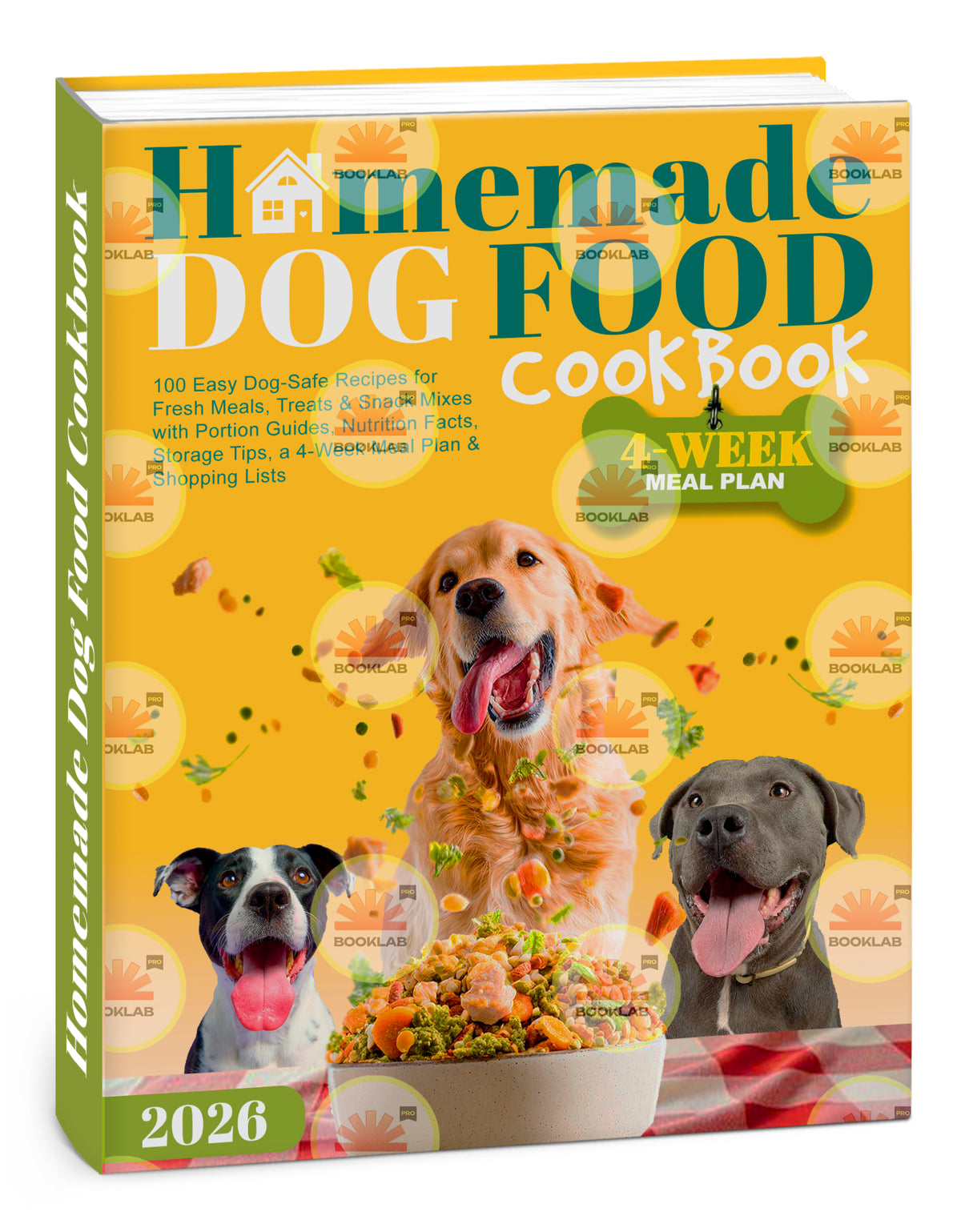
Homemade Dog Food Cookbook
Homemade Dog Food Cookbook
SKU:17150856
- Ready to publish on Amazon KDP
- Human-Written Manuscript
Couldn't load pickup availability
Premium Publishing Asset for Amazon Sellers: Homemade Dog Food Cookbook
A polished, professionally crafted dog food cookbook — fully finished and ready to publish.
This asset is designed for Amazon sellers who want to enter the evergreen Pet Care and Homemade Dog Food niche with a complete, well-structured cookbook. Built around a popular and emotionally driven market, this book offers practical content for dog owners who want simple homemade meals, clear portion guidance, and safe ingredient information without spending weeks planning, writing, or organizing a manuscript.
⭐️ What’s Included:
✔️ Over 21,000 words of finished content
✔️ 100 dog-safe recipes for fresh meals, treats, and snack mixes
✔️ Breakfasts, lunches, dinners, grain-free meals, single-protein recipes, seasonal dishes, and slow-cooker options
✔️ Portion guides for small, medium, and large dogs
✔️ Nutrition facts included with every recipe
✔️ Ingredient safety notes and allergen guidance
✔️ Storage, freezing, thawing, and reheating tips
✔️ A complete 4-week meal plan
✔️ Weekly shopping lists for easier meal prep
✔️ Ready for Kindle and paperback formatting
📈 Why Is This an Asset Worth Over $1000?
You’re getting a finished, market-ready product, not a rough draft. This book targets one of Amazon’s strong lifestyle niches: pet owners who want fresh, simple, homemade food options for their dogs. The manuscript combines emotional appeal with practical value — recipes, portion guidance, nutrition facts, meal planning, and shopping lists — making it a complete publishing asset for buyers looking for a helpful dog food cookbook.
💼 Ideal For:
• KDP publisher’s catalog expansion
• Publishing agencies
• Entrepreneurs selling digital or print books online
• Sellers entering the Pet Care, Dog Nutrition, or Homemade Dog Food niche
• Amazon sellers looking for a ready-to-position cookbook product
🚀 What Makes This Book Special:
• A clear, beginner-friendly structure
• 100 easy recipes using familiar ingredients
• Dog-safe cooking guidance without overcomplicated instructions
• Practical meal-prep support with storage and freezing tips
• A 4-week meal plan that helps readers organize variety
• Weekly shopping lists to make preparation easier
• Useful sections on foods to avoid, portion control, and safe feeding habits
• A professional style suitable for a commercial publishing catalog
This cookbook is positioned for dog owners who want to bring more freshness, variety, and care into their pet’s daily meals while keeping the process simple and manageable.
- Number of pages: 80
- Trim Size Paperback: 8,5*11
- Trim Size Hardcover: 8,25*11
Share


What's Included
-
Manuscript PDF
Complete manuscript in PDF format
-
eBook Format
Ready-to-publish electronic book format
-
Plagiarism Report
Detailed plagiarism check report
-
Book Cover
Covers that sell and visuals that grab attention
-
Book Description
Book description for marketing purposes
-
Book Quality Guide
Guide to reviewing book quality before publishing on Amazon KDP
Book Details
Human-Written Content
This manuscript was written by human authors and reviewed by editors. We do not use AI-generated text for the core book content. Each title is created as an original publishing asset for Amazon KDP sellers who want ready-to-use, professional-quality content.
Outline Overview
Table of Contents
Introduction
- Welcome Note to Dog Lovers
- Why Choose Homemade Dog Food?
- Understanding Basic Canine Nutrition
- Proteins, Carbohydrates, Fats, Fiber, Vitamins, and Minerals
- Dog-Safe Ingredients
- Ingredients Dogs Should Avoid
- Allergies and Food Sensitivities
- Portion Guidance for Small, Medium, and Large Dogs
- Safely Transitioning to Homemade Food
- How to Use This Cookbook
- Quick Reference Guide for Homemade Dog Food
Part One — Everyday Homemade Meals
Chapter 1 — Breakfast Boosters
- Chicken and Brown Rice Morning Bowl
- Turkey and Sweet Potato Hash
- Salmon and Quinoa Energy Mix
- Beef and Oats Breakfast Blend
- Cottage Cheese and Pumpkin Delight
- Egg, Spinach, and Rice Scramble
- Banana and Peanut Butter Oat Mash
- Sardine and Millet Starter Bowl
- Duck and Carrot Sunrise Stew
- Lamb and Barley Breakfast Boost
Chapter 2 — Protein-Packed Lunches
- Balanced combinations of chicken, beef, turkey, salmon, pork, duck, venison, and tuna
- Dog-safe vegetables, grains, and legumes
- Simple lunch bowls, stews, and nourishing meal blends
Chapter 3 — Hearty Dinners
- Comforting turkey, chicken, beef, fish, duck, lamb, pork, and venison recipes
- Rice, quinoa, barley, millet, lentils, potatoes, and vegetables
- Satisfying evening stews, bowls, and dinner blends
Part Two — Recipes for Different Feeding Needs
Chapter 4 — Grain-Free Options
- Chicken and Pumpkin Mash
- Turkey and Cauliflower Rice Bowl
- Beef and Zucchini Stew
- Grain-free salmon, duck, lamb, venison, tuna, sardine, and pork meals
- Vegetable-based alternatives to rice and grains
Chapter 5 — Special Health Recipes
- Joint-support meal
- Skin and coat recipe
- Digestive-friendly bowl
- Weight-management stew
- Soft meal for senior dogs
- Puppy growth blend
- Low-fat dinner
- Immune-support recipe
- Dental-friendly crunch mix
- Energy-focused meal
Includes guidance to consult a veterinarian before using homemade meals for specific health conditions.
Chapter 6 — Seasonal & Festive Meals
- Thanksgiving turkey feast
- Holiday beef and cranberry stew
- Summer salmon bowl
- Autumn lamb harvest mix
- Winter chicken comfort stew
- Valentine’s Day beef patties
- Spring turkey bowl
- Christmas duck feast
- Cooling summer tuna mash
- Holiday pork and apple blend
Chapter 7 — Single-Protein Focused Meals
- Chicken-based meal
- Beef-based meal
- Turkey-based meal
- Salmon-based meal
- Duck-based meal
- Lamb-based meal
- Pork-based meal
- Tuna-based meal
- Sardine-based meal
- Venison-based meal
Part Three — Creative & Convenient Cooking
Chapter 8 — International Flavors
- Italian Turkey and Rice Risotto
- Japanese Salmon and Rice Bowl
- Mexican Beef and Sweet Corn Stew
- Indian-Inspired Chicken and Lentil Dahl
- Mediterranean Lamb and Quinoa Bowl
- French Duck and Potato Stew
- Greek Yogurt, Chicken, and Spinach Mix
- Caribbean Tuna and Plantain Bowl
- Nordic Salmon and Barley Nourisher
- Thai-Inspired Turkey and Rice Coconut Stew
All recipes use simplified, dog-safe ingredients without unsafe seasonings.
Chapter 9 — Slow-Cooker & Instant Pot Meals
- Slow-cooked chicken and sweet potato stew
- Instant Pot beef and rice meal
- Crockpot turkey and pumpkin bowl
- Pressure-cooked salmon and barley mix
- Slow-cooked lamb and lentil dinner
- Instant Pot duck and carrot stew
- Crockpot pork and millet bowl
- Pressure-cooked venison and potato mix
- Slow-cooked tuna and oats stew
- Instant Pot chicken and quinoa bowl
Chapter 10 — Treats & Snack Mixes
- Chicken and oat energy bites
- Beef and sweet potato training cubes
- Turkey and rice snack bars
- Salmon and spinach mini patties
- Duck and pumpkin treat balls
- Lamb and rice crunchy bites
- Pork and carrot snack squares
- Tuna and millet protein bars
- Sardine and potato training treats
- Venison and barley snack clusters
Part Four — Practical Feeding Support
Chapter 11 — Portion & Feeding Guide
- Portion ranges for small, medium, and large dogs
- Adjusting portions for age and activity level
- Meal frequency
- Treat and snack limits
- Monitoring weight and appetite
- Introducing new ingredients safely
Chapter 12 — Storage & Meal Preparation
- Batch-cooking strategies
- Refrigerating homemade dog food
- Freezing individual portions
- Safe thawing and reheating
- Labeling and dating prepared meals
- Recognizing signs of spoilage
- Maintaining food safety during meal preparation
Part Five — 4-Week Meal Plan
Week 1
- Rotation of chicken, beef, and salmon meals
- Balanced breakfast, lunch, dinner, and treat options
Week 2
- Turkey, lamb, and duck recipes
- Selected grain-free meals
Week 3
- Venison, pork, sardine, and tuna recipes
- Variety-focused meal rotation
Week 4
- Internationally inspired recipes
- Slow-cooker meals
- Seasonal and festive options
Part Six — Weekly Shopping Lists
Week 1 Shopping List
- Proteins
- Grains and starches
- Vegetables and fruits
- Pantry ingredients
Week 2 Shopping List
- Turkey, lamb, and duck
- Grain-free ingredients
- Fresh produce
- Storage supplies
Week 3 Shopping List
- Venison, pork, sardines, and tuna
- Grains and vegetables
- Treat ingredients
Week 4 Shopping List
- Ingredients for international recipes
- Slow-cooker meal ingredients
- Seasonal foods
- Pantry staples
Conclusion
- Creating a manageable homemade feeding routine
- Introducing variety without making feeding complicated
- Monitoring a dog’s response to new foods
- Working with a veterinarian or veterinary nutritionist
- Bringing freshness and care to everyday meals
Sample Chapter
Introduction
Welcome Note to Dog Lovers
Dear Dog Lovers,
If you are holding this book in your hands, it means you share something significant with me: the belief that our dogs deserve the very best. Every wagging tail, every excited bark, and every warm cuddle remind us that dogs are more than just pets — they are loyal companions, protectors, and family members. Their health, happiness, and well-being are woven into the rhythm of our daily lives.
For years, most of us have relied on packaged dog food, trusting that what came out of a bag or a can was enough to meet our pets’ needs. But many dog owners have noticed changes — itchy skin, upset stomachs, dull coats, or even allergies that seem to worsen with certain foods. These signs often serve as a reminder that commercial options are not always the best fit for every dog.
Cooking at home for your dog is an act of love and commitment. It’s not just about filling a bowl — it’s about nourishing a life. This cookbook was created to help you do exactly that. Whether you are a beginner who wants to try a few easy recipes or a dedicated home chef seeking to transform your dog’s diet completely, this book is here to guide you step by step.
Why Homemade Dog Food?
There are many reasons why more and more people are turning to homemade dog food, and at the heart of it is a simple truth: when we cook for our dogs, we know exactly what goes into their bodies.
- Health Benefits: Commercial kibble is often made with fillers, preservatives, and low-quality proteins. Homemade food allows you to use real, whole ingredients that provide clean energy and proper nourishment. Some dog owners report noticing positive changes like brighter coats or improved digestion when switching to fresh food — though individual results vary, and consulting your vet is always recommended.
- Control Over Ingredients: Every dog is unique. Some thrive on chicken, while others may need fish or lamb. With homemade meals, you get to choose the protein source and combine it with vegetables and grains that suit your dog’s needs. This control ensures your dog’s food is not only healthy but also safe and appropriate.
- Allergy Management: Many dogs today suffer from allergies or food sensitivities. Common culprits include corn, wheat, soy, and even some proteins. Homemade recipes allow you to eliminate problematic ingredients and substitute safe alternatives, may help reduce exposure to potential triggers, which some owners find helpful for dogs with known sensitivities. Always consult your vet for medical concerns.
- Freshness & Variety: Dogs love variety, just like we do. Instead of eating the same food every day, homemade meals let you rotate flavors and ingredients, keeping mealtime exciting. More importantly, freshly cooked food means no preservatives, no unnecessary chemicals — just pure, wholesome meals made at home.
When you cook for your dog, you aren’t just feeding them — you’re actively investing in their long-term health and happiness.
Understanding Canine Nutrition
Feeding a dog is not as simple as giving them what we eat. Dogs have specific nutritional requirements that differ from those of humans, and meeting these needs is essential for their growth, energy, and overall well-being.
- Macronutrients:
- Proteins: The foundation of a dog’s diet. Proteins build and repair muscles, aid in hormone and enzyme production, and support a strong immune system. High-quality protein sources like chicken, beef, salmon, and lamb are the backbone of our recipes.
- Carbohydrates: While dogs do not require carbs the way humans do, healthy sources like brown rice, oats, or sweet potatoes provide essential energy and aid digestion.
- Fats: Often misunderstood, fats are critical for dogs. They supply energy, keep the skin moisturized, and promote a shiny coat. Omega-3 and Omega-6 fatty acids, found in salmon and flax, are especially beneficial.
- Vitamins & Minerals: Dogs need a wide range of micronutrients to thrive. Calcium and phosphorus build strong bones and teeth, zinc supports healthy skin, iron is vital for blood health, and vitamins A, D, E, and B-complex play roles in vision, immunity, and metabolism.
By understanding canine nutrition, you can cook with purpose — every ingredient chosen not just for flavor, but for its role in your dog’s health.
Safety First: Ingredients to Avoid
One of the most important responsibilities when cooking for dogs is knowing what not to include. Dogs metabolize food differently from humans, and some ingredients that are harmless to us can be toxic to them.
- Toxic Foods: Absolutely avoid onions, garlic, grapes, raisins, chocolate, macadamia nuts, avocados, xylitol (an artificial sweetener), alcohol, and foods high in salt or spices. Even small amounts of these can cause serious illness in dogs.
- Portion Control: Even healthy foods can become harmful if fed in excess. Overfeeding leads to obesity, which increases the risk of joint problems, diabetes, and heart disease. The serving sizes in this book are carefully calculated for small, medium, and large dogs to help you portion meals correctly.
- Cooking Tips: Always cook proteins thoroughly to remove harmful bacteria. Avoid fried or overly oily methods. Remove bones from meats to prevent splintering, and never season your dog’s food with salt, pepper, or strong spices. Use oils in moderation, always ensuring they are safe for canine consumption.
Cooking at home for your dog should be a rewarding and safe experience. These precautions ensure that every bowl you serve brings health, not harm.
See Inside the Book


