


BookLab
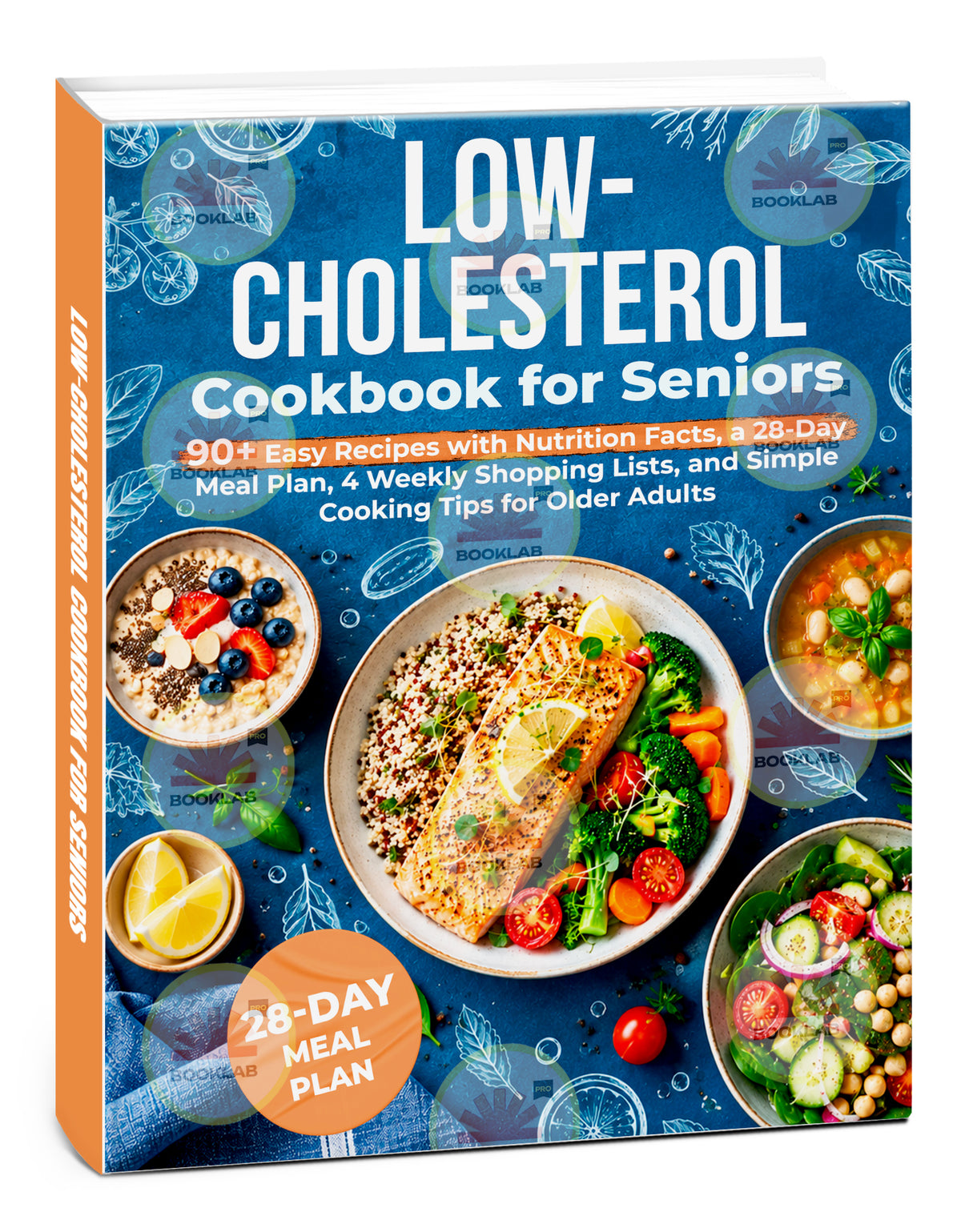
Low-Cholesterol Cookbook for Seniors
Low-Cholesterol Cookbook for Seniors
SKU:16280958
- Ready to publish on Amazon KDP
- Human-Written Manuscript
Couldn't load pickup availability
Premium Publishing Asset for Amazon Sellers: Low-Cholesterol Cookbook for Seniors
A complete, professionally structured 101-page cookbook manuscript featuring 100 easy low-cholesterol recipes, nutrition facts, a 28-day meal plan, four weekly shopping lists, practical cooking guidance for seniors, and helpful food reference charts — fully written, organized, and ready for publishing preparation.
This publishing asset is designed for Amazon sellers entering or expanding within the low-cholesterol cooking, senior nutrition, balanced eating, heart-conscious nutrition, and healthy aging cookbook niches.
Created for older adults seeking convenient, flavorful meals, the manuscript combines accessible recipes, everyday nutritional guidance, practical cooking techniques, and structured meal planning.
⭐️ What’s Included
✔️ Complete 101-page cookbook manuscript focused on low-cholesterol everyday cooking for seniors
✔️ 100 recipes organized into seven practical categories
✔️ 20 breakfast recipes featuring oatmeal, smoothies, egg dishes, and whole grains
✔️ 20 lunch recipes featuring lean proteins, vegetables, legumes, and satisfying grain bowls
✔️ 20 dinner recipes with poultry, fish, vegetables, and plant-based options
✔️ 10 soups and stews, 10 snacks and light bites, and 10 naturally sweet desserts
✔️ 10 additional recipes featuring seasonal dishes, smoothies, dressings, and spreads
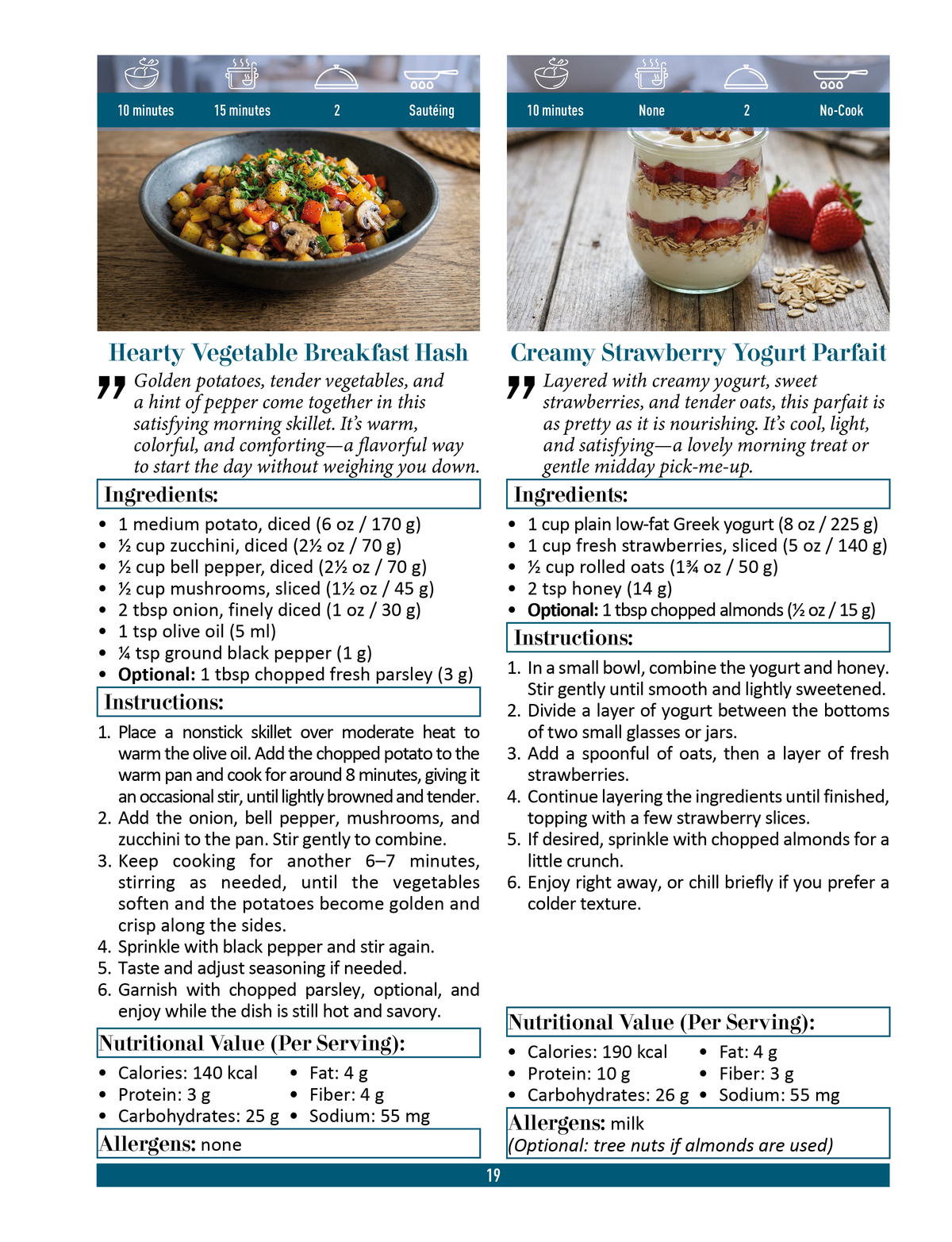
✔️ Nutrition facts per serving, including calories, protein, carbohydrates, fat, fiber, and sodium
✔️ Clear ingredient lists, preparation times, cooking methods, and step-by-step instructions
✔️ Complete 28-day meal plan organized into four manageable weeks
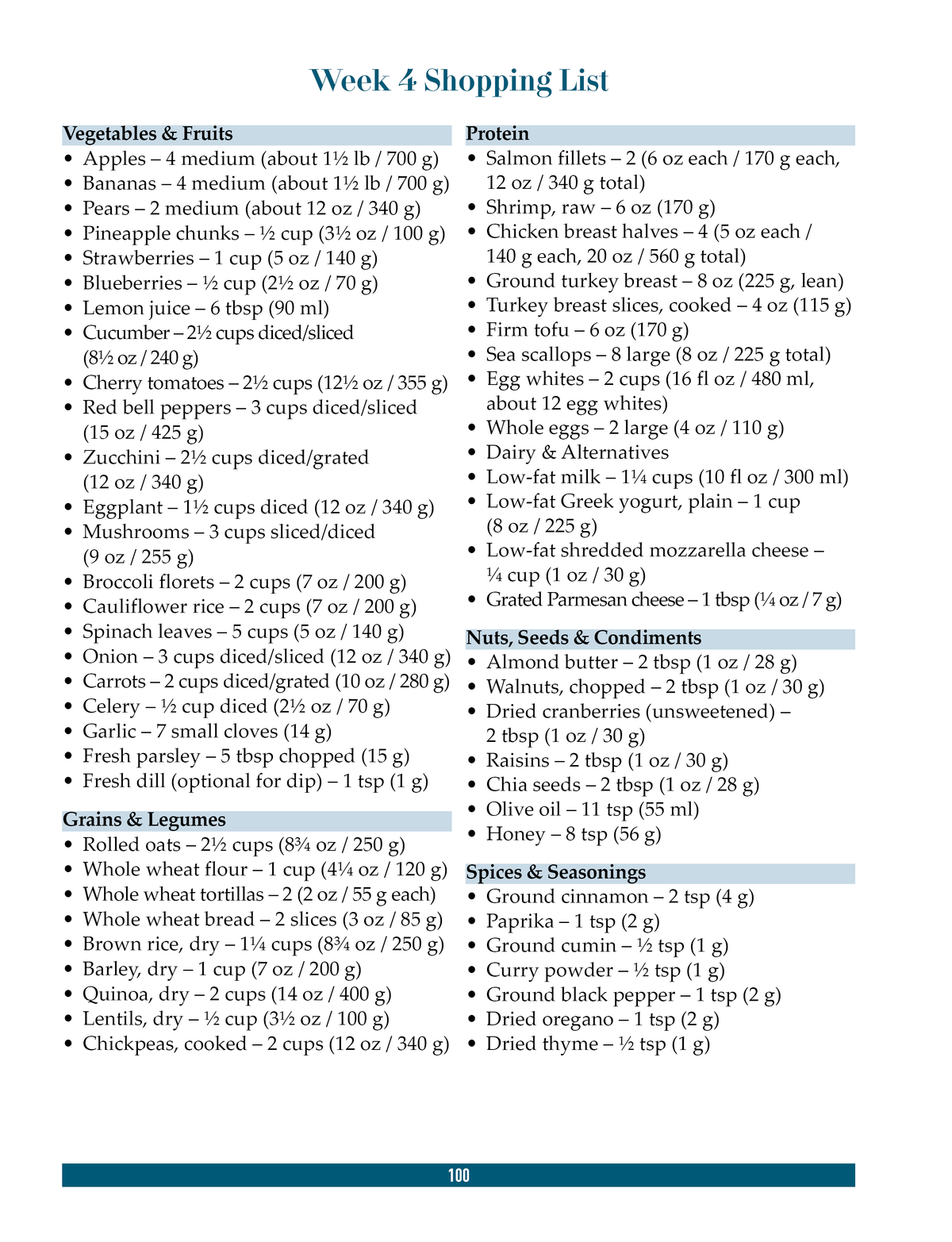
✔️ Four weekly shopping lists for convenient grocery planning
✔️ Beginner-friendly guidance on cholesterol, dietary fats, fiber, and balanced food choices
✔️ Practical cooking techniques, softer-texture options, and tips for reducing excess salt and saturated fat
✔️ Quick-reference food lists, cooking conversions, frequently asked questions, and an additional simple 7-day meal plan
✔️ Suitable for paperback and Kindle publishing preparation
📈 Why This Is a Valuable Publishing Asset
You’re getting a professionally organized 101-page cookbook manuscript — not simply a collection of recipes.
The low-cholesterol cooking niche connects several established reader interests, including senior nutrition, balanced eating, healthy aging, meal planning, and practical home cooking.
Older adults often look for accessible cookbooks featuring familiar ingredients, manageable preparation methods, and clear nutritional information.
This manuscript addresses those needs through 100 recipes covering everyday meals, snacks, soups, desserts, and seasonal options.
Its 28-day meal plan and four coordinated shopping lists provide practical structure, while educational chapters help readers understand food choices and everyday cooking strategies.
Additional reference materials extend the book’s usefulness beyond individual recipes, supporting repeated consultation and flexible meal planning.
💼 Ideal For
- KDP publishers expanding their senior nutrition and specialized cookbook catalogs
- Publishing agencies seeking a complete culinary manuscript
- Entrepreneurs developing paperback, Kindle, or digital cookbooks
- Sellers entering the low-cholesterol cooking and healthy aging niches
- Publishers targeting older adults and beginners interested in balanced nutrition
- Amazon sellers exploring meal-planning and practical diet cookbook categories
🚀 What Makes This Book Special
- 100 recipes across seven cooking categories
- Senior-focused cooking and meal-preparation guidance
- Nutrition facts for informed meal selection
- Complete 28-day meal plan
- Four coordinated weekly shopping lists
- Clear explanations of cholesterol, dietary fats, fiber, and food choices
- Familiar ingredients and accessible cooking methods
- Softer-texture options and convenient preparation tips
- Reference charts and an additional simple 7-day meal plan
- Sustainable eating guidance without promises of medical outcomes
This is a complete publishing asset for Amazon sellers seeking a focused, practical manuscript in the low-cholesterol cooking, senior nutrition, and balanced eating niches.
With its 101-page structure, 100 recipes, 28-day meal plan, four weekly shopping lists, nutritional information, and senior-friendly cooking guidance, Low-Cholesterol Cookbook for Seniors provides a solid foundation for developing a professional Amazon KDP cookbook combining everyday convenience, nutritional awareness, and enjoyable home cooking.
- Number of pages: 101
- Trim Size Paperback: 8,5*11
- Trim Size Hardcover: 8,25*11
Share
What's Included
-
Manuscript PDF
Complete manuscript in PDF format
-
eBook Format
Ready-to-publish electronic book format
-
Plagiarism Report
Detailed plagiarism check report
-
Book Cover
Covers that sell and visuals that grab attention
-
Book Description
Book description for marketing purposes
-
Book Quality Guide
Guide to reviewing book quality before publishing on Amazon KDP
Book Details
Human-Written Content
This manuscript was written by human authors and reviewed by editors. We do not use AI-generated text for the core book content. Each title is created as an original publishing asset for Amazon KDP sellers who want ready-to-use, professional-quality content.
Outline Overview
Table of Contents
Introduction: Getting Started with Low-Cholesterol Cooking
- Understanding the purpose of the cookbook
- Making gradual, practical changes after age 50
- Using familiar ingredients and manageable cooking methods
- Navigating the recipes, meal plan, and reference materials
Part I: Foundations of a Low-Cholesterol Diet
Chapter 1: Understanding Cholesterol
- What cholesterol is
- The difference between LDL and HDL cholesterol
- How dietary choices relate to cholesterol-conscious eating
- The importance of individualized medical guidance
Chapter 2: Core Eating Principles
- Choosing more whole and minimally processed foods
- Increasing soluble fiber
- Selecting unsaturated fats
- Limiting excess saturated fat and sodium
- Building balanced meals with appropriate portions
Chapter 3: Foods to Choose and Limit
- Whole grains, vegetables, fruits, and legumes
- Lean poultry, fish, and plant-based proteins
- Nuts, seeds, and suitable oils
- Lower-fat dairy options
- Foods higher in saturated fat, sodium, and added sugar
Chapter 4: Practical Guidance for Seniors
- Preparing softer-texture meals
- Cooking for one or two people
- Simplifying ingredient preparation
- Batch cooking and safe food storage
- Maintaining flavor while using less salt
- Selecting convenient kitchen tools
Part II: 100 Low-Cholesterol Recipes
Each recipe includes preparation information, ingredient quantities, step-by-step instructions, and estimated nutrition facts.
Chapter 5: Breakfasts
20 recipes featuring oats, whole grains, smoothies, fruit, egg whites, vegetables, and lower-fat dairy products.
Recipes include:
- Warm Cinnamon Apple Oatmeal
- Blueberry Chia Overnight Oats
- Spinach and Mushroom Egg White Scramble
- Whole Grain Pancakes with Berries
- Savory Tomato and Spinach Frittata
- Golden Turmeric Morning Smoothie
Chapter 6: Lunches
20 balanced lunches featuring vegetables, legumes, whole grains, lean poultry, seafood, tofu, and satisfying grain bowls.
Recipes include:
- Grilled Salmon with Quinoa Salad
- Mediterranean Chickpea Bowl
- Lentil and Roasted Vegetable Salad
- Grilled Chicken with Brown Rice Pilaf
- Light Tuna and White Bean Salad
- Warm Sweet Potato and Black Bean Bowl
Chapter 7: Dinners
20 approachable dinners featuring poultry, fish, seafood, vegetables, whole grains, and plant-based proteins.
Recipes include:
- Baked Lemon Herb Chicken Breast
- Pan-Seared Tilapia with Garlic Spinach
- Lentil and Vegetable Shepherd’s Pie
- Roasted Salmon with Asparagus
- Mediterranean Baked Cod
- Sweet Potato and Black Bean Enchiladas
Chapter 8: Soups and Stews
10 comforting recipes featuring vegetables, legumes, poultry, barley, wild rice, and gentle seasonings.
Recipes include:
- Hearty Lentil Vegetable Soup
- Light Chicken and Rice Soup
- Butternut Squash and Carrot Soup
- Mushroom and Wild Rice Soup
- Mediterranean Chickpea Stew
- Garden Vegetable Minestrone
Chapter 9: Snacks and Light Bites
10 convenient snacks featuring fruit, vegetables, hummus, nuts, whole grains, yogurt, and legumes.
Recipes include:
- Apple Slices with Almond Butter
- Roasted Chickpeas with Paprika
- Whole Grain Crackers with Hummus
- Carrot and Cucumber Sticks with Yogurt Dip
- Steamed Edamame with Sea Salt
- Rice Cakes with Avocado Mash
Chapter 10: Naturally Sweet Desserts
10 desserts featuring fruit, oats, chia seeds, yogurt, dates, and familiar pantry ingredients.
Recipes include:
- Baked Apples with Cinnamon Oats
- Banana “Nice” Cream with Cocoa
- Oatmeal Raisin Energy Cookies
- Soft Oat and Date Bars
- Strawberry Chia Pudding
- Blueberry Oat Crumble
Chapter 11: Additional Recipes
10 seasonal dishes, smoothies, dressings, spreads, and pantry staples.
Recipes include:
- Lightened Pumpkin Pie Cups
- Herb-Roasted Turkey Breast
- Cranberry-Orange Relish
- Green Avocado and Kale Smoothie
- Light Yogurt and Herb Dressing
- Low-Cholesterol Hummus Spread
- Homemade Oat Granola Mix
Part III: The 28-Day Meal Plan
Chapter 12: Four Weeks of Structured Meals
- Week 1: Transitioning into a low-cholesterol eating routine
- Week 2: Building consistency and variety
- Week 3: Expanding flavors and nutrient sources
- Week 4: Creating sustainable long-term habits
- Daily breakfast, lunch, dinner, and snack ideas
- Flexible substitutions and portion adjustments
- Strategies for using leftovers efficiently
Part IV: Weekly Shopping Lists
Chapter 13: Organized Grocery Planning
Four shopping lists coordinated with the 28-day meal plan:
- Fresh vegetables and fruits
- Whole grains and legumes
- Poultry, fish, seafood, and plant-based proteins
- Dairy products and eggs
- Nuts, seeds, oils, and pantry staples
- Herbs, spices, and condiments
Appendices
Appendix A: Quick-Reference Food Lists
- Foods to emphasize
- Foods to use in moderation
- Fiber-rich ingredient options
- Lower-saturated-fat substitutions
Appendix B: Cooking Conversions and Equivalents
- Volume and weight conversions
- Common ingredient equivalents
- Oven temperature references
Appendix C: Simple 7-Day Meal Plan
- Easy meals for busy or low-energy days
- Minimal-preparation breakfasts, lunches, and dinners
- Simple ingredient combinations
Appendix D: Frequently Asked Questions
- Portion sizes
- Ingredient substitutions
- Cooking for smaller households
- Eating away from home
- Maintaining variety and consistency
Conclusion: Building Sustainable Eating Habits
- Making gradual and realistic changes
- Maintaining variety and enjoyment
- Planning meals according to individual needs
- Using the 28-day plan as a reusable framework
- Continuing to work with qualified healthcare professionals
Sample Chapter
Introduction
The Importance of Heart Health for Seniors
As we grow older, our hearts deserve extra care. The heart is the engine of the body, and just like any engine, it needs the right kind of fuel to keep running smoothly. For many seniors, cholesterol becomes a key concern. High levels of “bad” cholesterol can lead to clogged arteries, making the heart work harder and raising the risk of heart attack or stroke. The food you choose every day may make a meaningful difference. With small, steady steps, you can support your heart health and enjoy meals that are both nourishing and satisfying.
Understanding Cholesterol: LDL vs. HDL
Cholesterol isn’t all bad—it’s actually a natural substance your body needs. But there are two types you should know about:
- LDL (low-density lipoprotein): Often called “bad” cholesterol. Too much LDL can build up in your arteries, narrowing them and making blood flow harder.
- HDL (high-density lipoprotein): Known as “good” cholesterol. HDL helps carry excess cholesterol back to the liver, where it can be processed and removed.
The goal of a low-cholesterol diet is to lower LDL while supporting healthy levels of HDL. The right foods can help you achieve this balance.
Common Myths About Cholesterol and Food
There are many misunderstandings about cholesterol. Let’s clear up a few:
- Myth: “All fats are bad.”
Truth: Your body needs healthy fats, such as those in olive oil, nuts, and fish. It’s the saturated and trans fats (butter, fried foods, processed snacks) that raise LDL levels. - Myth: “Eggs should be avoided completely.”
Truth: Eggs can be enjoyed in moderation. Most of the cholesterol risk comes from the way foods are prepared and the fats paired with them. - Myth: “Only medication can lower cholesterol.”
Truth: Lifestyle choices, including diet, exercise, and stress management, can make a major impact—sometimes reducing the need for medication or helping it work better.
How to Use This Book
This cookbook is your guide to building a lifestyle that supports both health and enjoyment. Here’s how it’s structured:
- Part I explains the basics of cholesterol and nutrition.
- Part II provides over 90 senior-friendly recipes—easy to prepare, delicious, and designed to support heart health.
- Part III includes a 28-day meal plan to help you ease into new habits step by step.
- Part IV gives you weekly shopping lists, making it simple to stay on track.
- Appendices provide quick references, conversion charts, and extra tips.
You don’t need to follow every recipe in order. Feel free to choose what appeals to you and fits your lifestyle. Some days you may want a simple smoothie, other days a warm dinner casserole. The key is consistency—eating in ways that care for your heart day after day.
This book is more than a collection of recipes—it’s an invitation to enjoy food as a friend to your health, helping you feel your best at every stage of life.
Important Note and Medical Disclaimer
This cookbook is intended as a general guide to heart-friendly eating for older adults. It is not a substitute for professional medical advice, diagnosis, or treatment. Before making significant dietary changes, consult your doctor or a registered dietitian, particularly if you have chronic conditions such as heart disease, diabetes, or kidney issues. Some individuals may need adjustments in sodium, potassium, or calorie intake depending on their health status and medications. If you experience unusual symptoms such as dizziness, weakness, or chest discomfort, seek medical care promptly. Your health journey is unique—use this book as a supportive tool alongside guidance from your healthcare provider.
See Inside the Book


