


BookLab
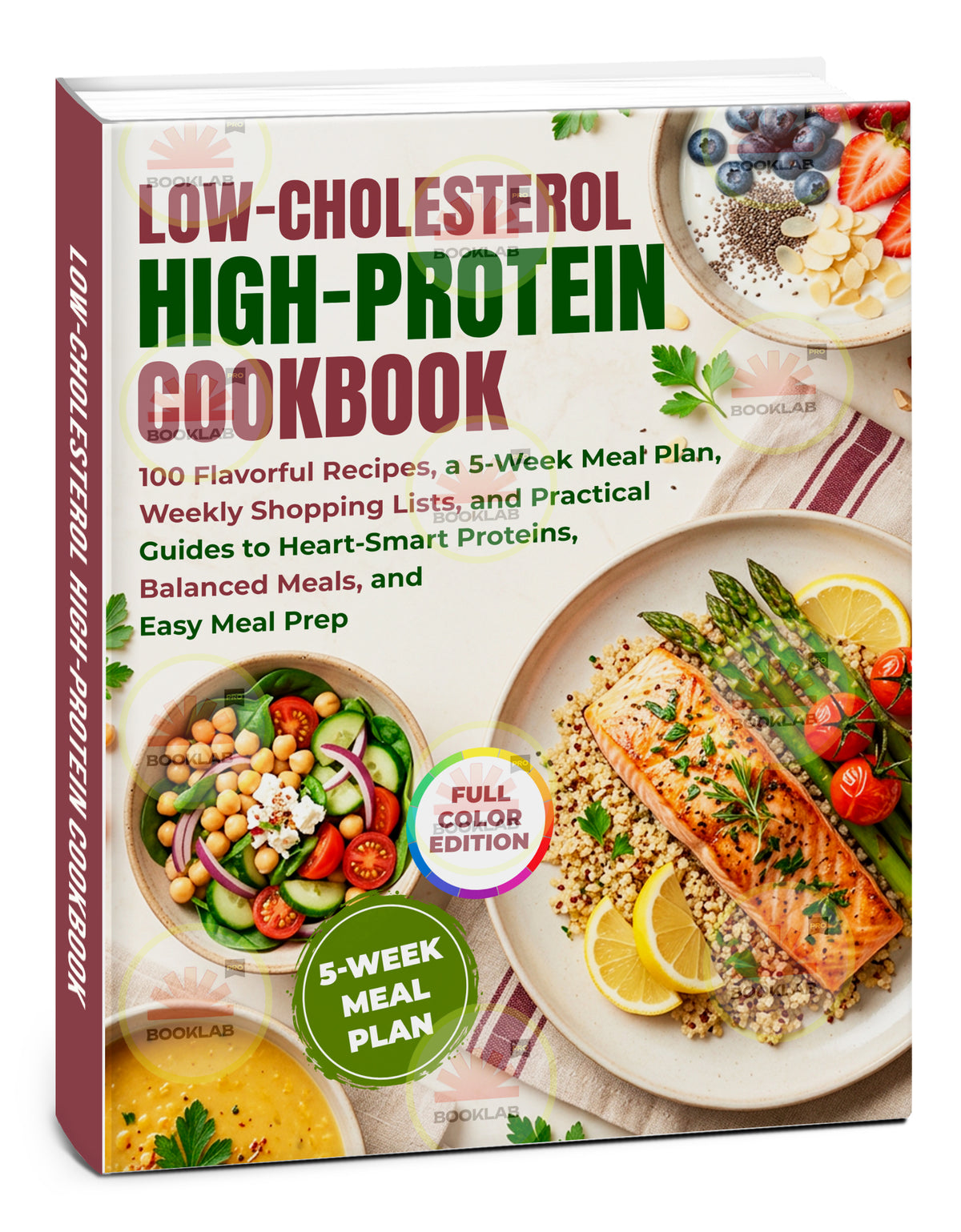
Low-Cholesterol High-Protein Cookbook
Low-Cholesterol High-Protein Cookbook
SKU:16919139
- Ready to publish on Amazon KDP
- Human-Written Manuscript
Couldn't load pickup availability
Premium Publishing Asset for Amazon Sellers: Low-Cholesterol High-Protein Cookbook
A complete, professionally structured 101-page cookbook manuscript featuring 100 flavorful recipes, a 5-week meal plan, five weekly shopping lists, nutritional information, and practical guidance on heart-conscious protein choices and balanced everyday cooking — fully written, organized, and ready for publishing preparation.
This publishing asset is designed for Amazon sellers, KDP publishers, publishing agencies, and digital entrepreneurs entering or expanding within the low-cholesterol cooking, high-protein nutrition, heart-conscious eating, and balanced lifestyle cookbook niches.
The manuscript combines accessible nutrition education, practical recipes, organized meal planning, shopping guidance, and useful meal-preparation strategies.
⭐️ What’s Included
✔️ Complete 101-page cookbook manuscript focused on low-cholesterol, high-protein cooking
✔️ 100 flavorful recipes organized into nine categories
✔️ 15 protein-rich breakfast recipes featuring oats, yogurt, tofu, egg whites, and other familiar ingredients
✔️ 15 satisfying lunch recipes featuring legumes, grains, lean proteins, and vegetables
✔️ 20 balanced dinner recipes featuring poultry, seafood, tofu, tempeh, and plant-based proteins
✔️ 10 protein-packed salads
✔️ 10 comforting soups
✔️ 10 savory snacks and light meals
✔️ 10 protein smoothies featuring fruit, soy, oats, and other ingredients
✔️ 5 desserts and 5 sauces and dressings
✔️ A complete 5-week meal plan covering 35 days
✔️ Five coordinated weekly shopping lists with pantry essentials and ingredient guidance
✔️ Nutritional information per serving, including protein, calories, fats, soluble fiber, cholesterol, and sodium
✔️ Practical guidance on choosing heart-conscious protein sources
✔️ Educational information about fiber, omega-3 fatty acids, unsaturated fats, and balanced portions
✔️ Ingredient substitutions and cooking techniques for reducing saturated fat
✔️ Vegetarian and pescatarian meal alternatives
✔️ Meal-preparation shortcuts, dining-out tips, and budget-conscious shopping suggestions
✔️ Beginner-friendly instructions with ingredient measurements and preparation times
✔️ Suitable for Kindle and paperback publishing preparation
📈 Why This Is a Valuable Publishing Asset
This manuscript offers more than a traditional cookbook. It combines 100 recipes with practical information about cholesterol-conscious eating, protein selection, balanced nutrition, and everyday meal preparation.
The nine organized recipe categories provide variety across breakfasts, lunches, dinners, salads, soups, snacks, smoothies, desserts, and sauces.
The 5-week meal plan and five corresponding shopping lists help readers organize meals, simplify grocery shopping, and establish more consistent cooking routines.
With its combination of culinary content, nutritional information, structured planning, and practical guidance, the manuscript provides a strong foundation for developing a specialized Amazon KDP cookbook.
💼 Ideal For
- KDP publishers expanding their nutrition, wellness, and cookbook catalogs
- Publishing agencies seeking complete culinary manuscripts
- Entrepreneurs developing Kindle, paperback, or digital cookbooks
- Sellers entering the low-cholesterol and high-protein cooking niches
- Publishers targeting readers interested in balanced, heart-conscious eating
🚀 What Makes This Book Special
- 100 recipes across nine organized categories
- High-protein cooking combined with cholesterol-conscious food choices
- A complete 35-day meal plan
- Five weekly shopping lists
- Nutritional information for every recipe
- Lean animal proteins and plant-based alternatives
- Practical ingredient substitutions
- Balanced portion guidance
- Vegetarian and pescatarian meal options
- Meal-preparation and grocery-planning strategies
- Practical dining-out guidance
- Familiar ingredients and approachable cooking techniques
- Sustainable habits without unrealistic medical promises
Low-Cholesterol High-Protein Cookbook is a complete publishing asset for Amazon sellers seeking a specialized cookbook manuscript combining 100 flavorful recipes, structured meal planning, and practical nutrition education.
Its organized content provides a strong foundation for developing a professional Amazon KDP cookbook focused on protein-rich meals, heart-conscious food choices, and convenient everyday cooking.
- Number of pages: 101
- Trim Size Paperback: 8,5*11
- Trim Size Hardcover: 8,25*11
Share
What's Included
-
Manuscript PDF
Complete manuscript in PDF format
-
eBook Format
Ready-to-publish electronic book format
-
Plagiarism Report
Detailed plagiarism check report
-
Book Cover
Covers that sell and visuals that grab attention
-
Book Description
Book description for marketing purposes
-
Book Quality Guide
Guide to reviewing book quality before publishing on Amazon KDP
Book Details
Human-Written Content
This manuscript was written by human authors and reviewed by editors. We do not use AI-generated text for the core book content. Each title is created as an original publishing asset for Amazon KDP sellers who want ready-to-use, professional-quality content.
Outline Overview
Table of Contents
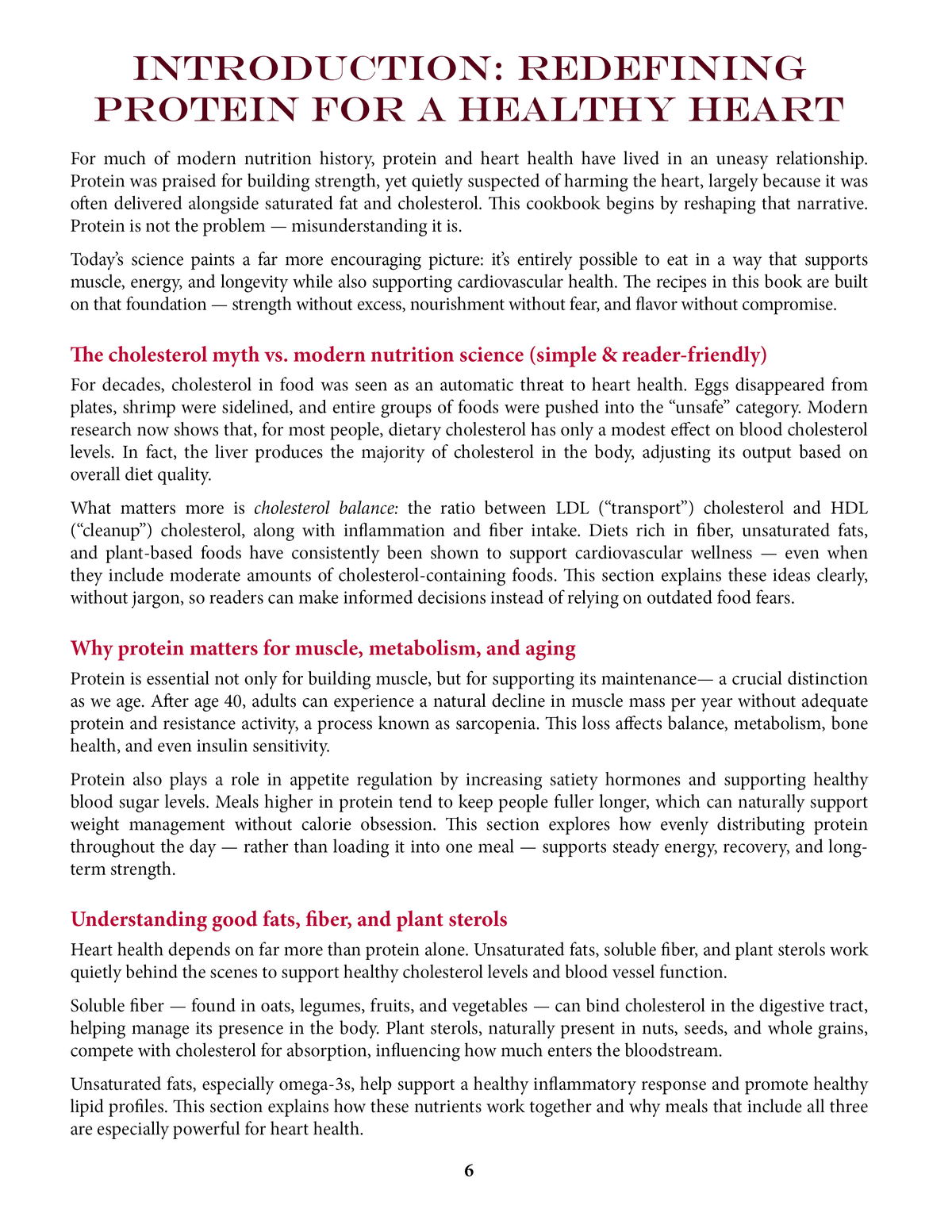
Introduction: Redefining Protein for a Heart-Conscious Eating Pattern
- Cholesterol myths and modern nutrition science
- Why protein matters for muscles, metabolism, and aging
- Understanding unsaturated fats, fiber, and plant sterols
- Reducing saturated fat without sacrificing flavor
- Using the cookbook for different nutritional goals
- Understanding recipe symbols and labels
- Quick-meal, vegetarian, dairy-free, and heart-conscious recipe markers
Part I: Nutrition and Kitchen Foundations
Chapter 1: The Heart-Smart Protein Blueprint
- Fish, legumes, soy, lean poultry, and egg whites
- Combining protein with fiber-rich ingredients
- The roles of omega-3 fatty acids and antioxidants
- Cooking methods requiring less added fat
- Balancing protein portions
- Building balanced meals
- Pantry and refrigerator essentials
- Practical protein substitutions
- Selecting ingredients through nutrition labels
Part II: The Recipe Collection
Chapter 2: Power Mornings—High-Protein Breakfasts
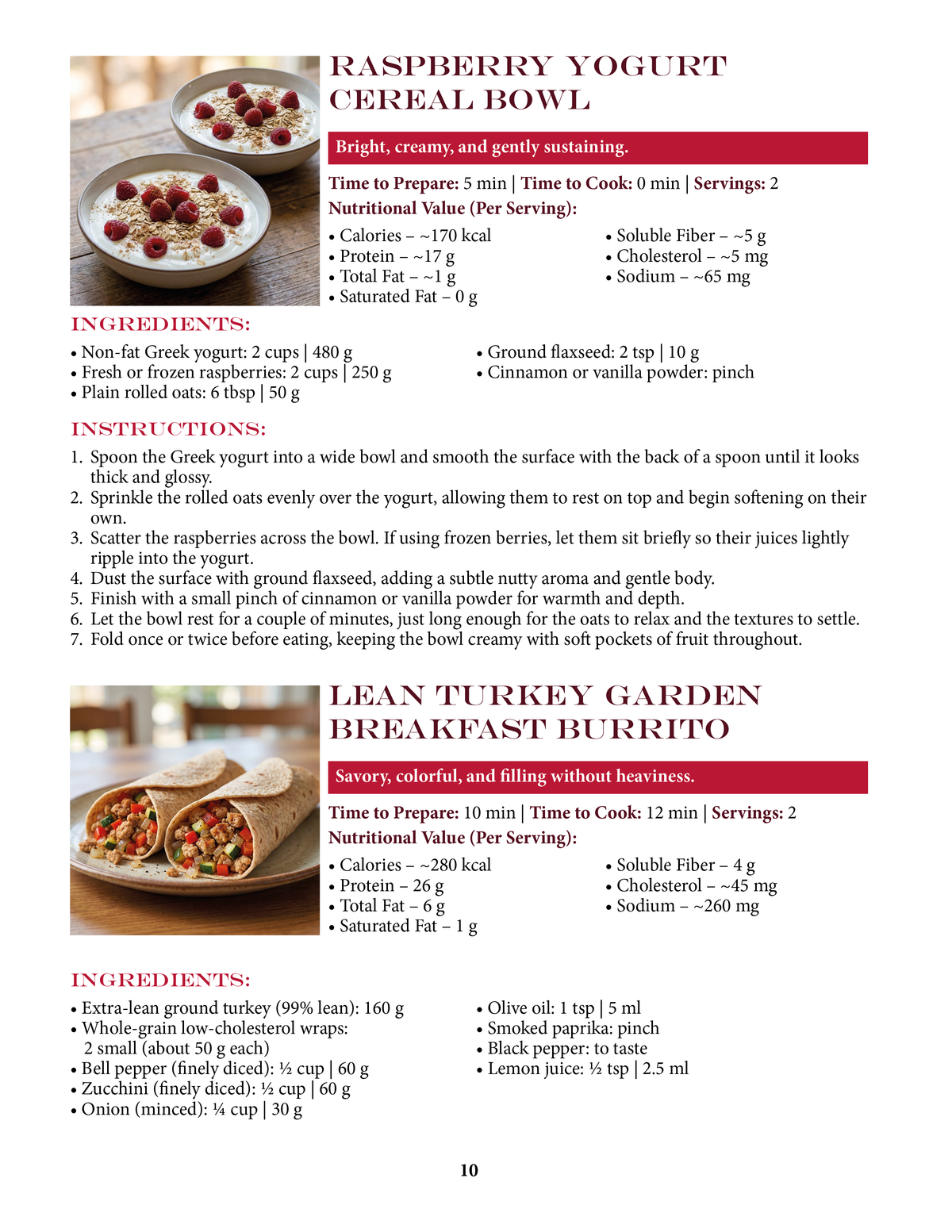
15 breakfast recipes featuring yogurt, cottage cheese, chickpeas, lean turkey, egg whites, tofu, oats, millet, fruit, and avocado.
Recipes include:
- Raspberry Yogurt Cereal Bowl
- Savory Cottage Cheese Herb Bowl
- Chickpea Spinach Pancakes
- Lean Turkey Garden Breakfast Burrito
- Egg-White Veggie Scramble
- Greek-Style Yogurt Berry Bowl
- Protein Oatmeal with Chia
- Tofu Breakfast Hash
- Cod Avocado Toast
- Avocado Lemon Rice Toast
- Stewed Pear Breakfast Cup
- Golden Millet Breakfast Bowl
- Cucumber Avocado Breakfast Cream
- Mango Rice Porridge
- Honeyed Yogurt Cup
Chapter 3: Midday Fuel—Satisfying Lunches
15 lunch recipes combining legumes, whole grains, vegetables, tofu, tempeh, poultry, fish, and shellfish.
Recipes include:
- Lentil and Quinoa Power Bowl
- High-Protein Vegetable Stir-Fry
- White Bean Tuna Mash
- Quinoa Cucumber Dill Bowl
- Grilled Tofu and Vegetable Grain Bowl
- Edamame and Brown Rice Salad
- Mediterranean Lentil Bowl
- Black Bean and Sweet Potato Bowl
- Grilled Tempeh and Roasted Vegetable Plate
- Spiced Lentil and Cauliflower Stew
- Herbed Tempeh and Roasted Broccoli
- Trout with Arugula Cucumber Salad
- Air-Fried Garlic Turkey Breast
- Tomato-Braised Scallops
- Chickpea and Cauliflower Herb Plate
Chapter 4: Evening Strength—Flavorful, Balanced Dinners
20 dinner recipes featuring poultry, seafood, tofu, tempeh, legumes, vegetables, and selected lean meats.
Recipes include:
- Lemon-Herb Baked Cod
- Turkey and Mushroom Meatballs
- Soy-Ginger Tofu Skillet
- Bean and Vegetable Chili
- Lentil and Spinach Coconut Curry
- Balsamic Tempeh and Roasted Vegetable Bowl
- Chickpea and Broccoli Garlic Toss
- Shrimp and Spinach Tomato Sauté
- Turkey Cutlets with Green Beans
- Chicken and Spinach Stuffed Bell Peppers
- Turkey and Mushroom Lettuce Wraps
- Beef Striploin with Tomato-Parsley Salad
- Steamed Salmon with Dill-Cucumber Garnish
- Parsley Turkey Patties
- Lemon Lentil and Zucchini Protein Bowl
- Paprika Rabbit Medallions
- Herb-Poached Tilapia
- Mushroom and White Bean Savory Bake
- Red Lentil and Pumpkin Comfort Bowl
- Miso-Poached Mackerel with Vegetables
Chapter 5: Protein-Packed Salads—Beyond Lettuce
10 substantial salad recipes featuring beans, lentils, edamame, tofu, turkey, fish, scallops, vegetables, and leafy greens.
Recipes include:
- Mediterranean Chickpea Crunch
- Salmon Citrus Greens
- Warm Lentil Spinach Salad
- Edamame Avocado Bowl
- Grilled Tofu Caesar
- Roasted Chickpea and Carrot Salad
- Edamame and Roasted Beet Salad
- Ginger-Steamed Tilapia and Cabbage Slaw
- Air-Fried Turkey and Fennel Garden Salad
- Seared Scallop and Spinach Citrus Salad
Chapter 6: Comforting Soups and Broths
10 soup recipes featuring tofu, barley, beans, lentils, vegetables, shrimp, and white fish.
Recipes include:
- Tofu Ginger Clear Soup
- Barley Vegetable Broth
- Cannellini Lemon Thyme Soup
- Black Bean Lime Soup
- Mushroom and White Bean Comfort Soup
- Shrimp and Ginger Clear Soup
- Provençal Fennel and White Fish Broth
- Golden Lentil Vegetable Stew
- Green Pea and Oat Comfort Broth
- Zucchini Herb Clear Soup
Chapter 7: Small Bites, Big Protein—Snacks and Light Meals
10 savory snacks and lighter meals featuring chickpeas, beans, soy, tofu, cottage cheese, vegetables, and yogurt.
Recipes include:
- Roasted Chickpea Crunch
- Cottage Cheese Veggie Cups
- Savory Soy Yogurt Dip
- Edamame Lemon Cups
- White Bean Garlic Mash
- Hummus Cucumber Scoops
- Warm Soybean and Herb Bowl
- White Bean Tomato Spoon Dip
- Chickpea Spinach Mini Sauté
- Tofu Pepper Snack Cubes
Chapter 8: Smooth Strength—Protein Smoothies
10 smoothie recipes featuring soy, tofu, oats, fruit, vegetables, seeds, and plant-based protein sources.
Recipes include:
- Berry Soy Protein Shake
- Chocolate Oat Recovery Smoothie
- Vanilla Almond Fiber Shake
- Coffee Banana Protein Boost
- Apple Cinnamon Soy Smoothie
- Peach Tofu Silk Shake
- Spinach Lemon Protein Smoothie
- Green Pea Protein Smoothie
- Blueberry Flax Protein Shake
- Beet Berry Vegetable Protein Smoothie
Chapter 9: Smart Desserts
5 desserts featuring chia seeds, soy yogurt, tofu, fruit, nuts, and legumes.
Recipes include:
- Cocoa Chia Protein Pudding
- Lemon Soy Yogurt Cloud
- Baked Pear Almond Crumble
- Vanilla Tofu Dessert Cream
- Strawberry Chickpea Mousse
Chapter 10: Flavor First—Sauces and Dressings
5 sauces and dressings designed to add flavor using vegetables, legumes, yogurt, olive oil, herbs, and seeds.
Recipes include:
- Olive Oil Herb Vinaigrette
- Creamy White Bean Sauce
- Avocado Yogurt Dressing
- Tomato Lentil Marinara
- Sesame Soy Drizzle
Part III: Meal Planning
Chapter 11: Five-Week Meal Plan
Week 1
- Introduction to balanced protein distribution
- Familiar recipes and pantry staples
- Simple meal-preparation routines
Week 2
- Expanded plant-based protein choices
- Additional vegetable and whole-grain combinations
- Using leftovers efficiently
Week 3
- Poultry, seafood, tofu, and legume rotation
- Balanced snacks and smoothies
- Meal-preparation shortcuts
Week 4
- Vegetarian and pescatarian substitutions
- Greater recipe flexibility
- Practical portion adjustments
Week 5
- Maintaining variety and consistency
- Repeating favorite meals
- Transitioning to independent planning
Additional Meal-Planning Guidance
- Protein distribution throughout the day
- Vegetarian substitutions
- Pescatarian substitutions
- Dining-out strategies
- Batch-cooking and meal-preparation shortcuts
Part IV: Shopping and Kitchen Organization
Chapter 12: Stress-Free Shopping Lists
- Week 1 Shopping List
- Week 2 Shopping List
- Week 3 Shopping List
- Week 4 Shopping List
- Week 5 Shopping List
- General notes for all five weeks
- Budget-friendly protein substitutions
- Pantry ingredients versus fresh ingredients
- Pantry staples to purchase once and use throughout the week
- Legumes and plant-based proteins
- Nuts, seeds, and functional additions
- Oils, acids, herbs, and flavor-building ingredients
- Fresh ingredients to purchase weekly
- Nutrition-label reading guide
- Freezer-friendly essentials
- Using the shopping tools with the meal plan
Conclusion: Eating for Strength, Not Restriction
- Building balanced meals without extreme rules
- Choosing a wider variety of protein sources
- Making sustainable food substitutions
- Developing consistent meal-planning habits
- Focusing on flexibility rather than perfection
- Continuing with an individualized eating routine
Sample Chapter
Chapter 1: The Heart-Smart Protein Blueprint
A low-cholesterol, high-protein way of eating isn’t about chasing numbers or cutting joy from the plate. It’s about choosing proteins that work with your heart, not against it — foods that strengthen muscle, steady energy, and quietly support healthy circulation day after day. This chapter gives you the practical and scientific foundation to do exactly that, without turning meals into medical prescriptions.
Best low-cholesterol protein sources (fish, legumes, soy, lean poultry, egg whites)
Heart-smart protein starts with understanding where your protein comes from. Fish like salmon, sardines, trout, and cod deliver complete protein with minimal cholesterol while providing essential fats that actively support the heart. Legumes — lentils, chickpeas, beans, and peas — offer a rare combination of protein and soluble fiber, helping support healthy LDL cholesterol levels as you eat.
Soy-based foods like tofu, tempeh, and edamame contain distinctive plant compounds that can influence how much cholesterol the body absorbs in the digestive system. Lean poultry, especially skinless chicken or turkey breast, supplies highly bioavailable protein without the saturated fat load of red meat. Egg whites round out the group as a pure protein option — no cholesterol, no fat, just structure and strength for muscles.
Together, these sources prove that protein doesn’t need to be heavy or animal-dominant to be powerful.
How fiber, omega-3s, and antioxidants work together
Protein alone doesn’t build heart health — it needs allies. Fiber acts like a gentle cleanser, binding cholesterol in the digestive tract and assisting in its natural elimination from the body. Omega-3 fatty acids help support a healthy inflammatory response, support flexible blood vessels, and promote healthy lipid profiles over time. Antioxidants act as cellular defenders, countering oxidative stress that can impact both plaque development and the aging of arteries.
When these three appear together — for example, salmon with leafy greens, lentils with vegetables and olive oil, or tofu with berries and seeds — they create a synergistic effect. The body absorbs nutrients more efficiently, healthy inflammatory responses are supported, and meals feel more satisfying without heaviness. This teamwork is one of the quiet secrets behind heart-healthy cuisines around the world.
Cooking methods that protect nutrients and heart health
How you cook matters just as much as what you cook. Gentle heat preserves delicate fats and vitamins, while aggressive frying can damage them. Methods like steaming, baking, poaching, simmering, grilling over moderate heat, and light sautéing help maintain protein quality without adding unnecessary fats.
Using acids like lemon juice, vinegar, or tomatoes during cooking can enhance flavor while reducing the need for excess salt or butter. Herbs, spices, garlic, ginger, and aromatics add complexity without burdening the heart. The goal is food that tastes vibrant and alive — not food drowned in oil to feel indulgent.
Portion balance: protein without overload
More protein is not always better. The heart thrives on balance. Consistently oversized portions can strain digestion, displace fiber-rich foods, and add unnecessary calories. A heart-smart plate emphasizes adequate protein — enough to support muscle repair and metabolic health — paired with vegetables, whole grains, and healthy fats.
Spreading protein evenly throughout the day improves absorption and supports stable blood sugar. This approach supports cardiovascular efficiency and keeps energy levels steady, especially as we age. Think consistency over excess.
Pantry & fridge essentials for success
A heart-healthy kitchen is built before the first recipe begins. In the pantry: canned beans and lentils, whole grains, nuts, seeds, olive oil, spices, and low-sodium broths. In the fridge: fresh vegetables, leafy greens, tofu, yogurt alternatives, eggs or egg whites, citrus, and fresh herbs. In the freezer: fish fillets, edamame, berries, and prepared grains.
These staples make healthy choices the easy choices. When nourishing ingredients are already within reach, heart-smart cooking becomes automatic — not something that requires willpower or perfection.
This blueprint isn’t rigid. It’s a framework designed to grow with you — adaptable, flexible, and rooted in pleasure as much as prevention. Strong without the strain starts here.
See Inside the Book


