


BookLab
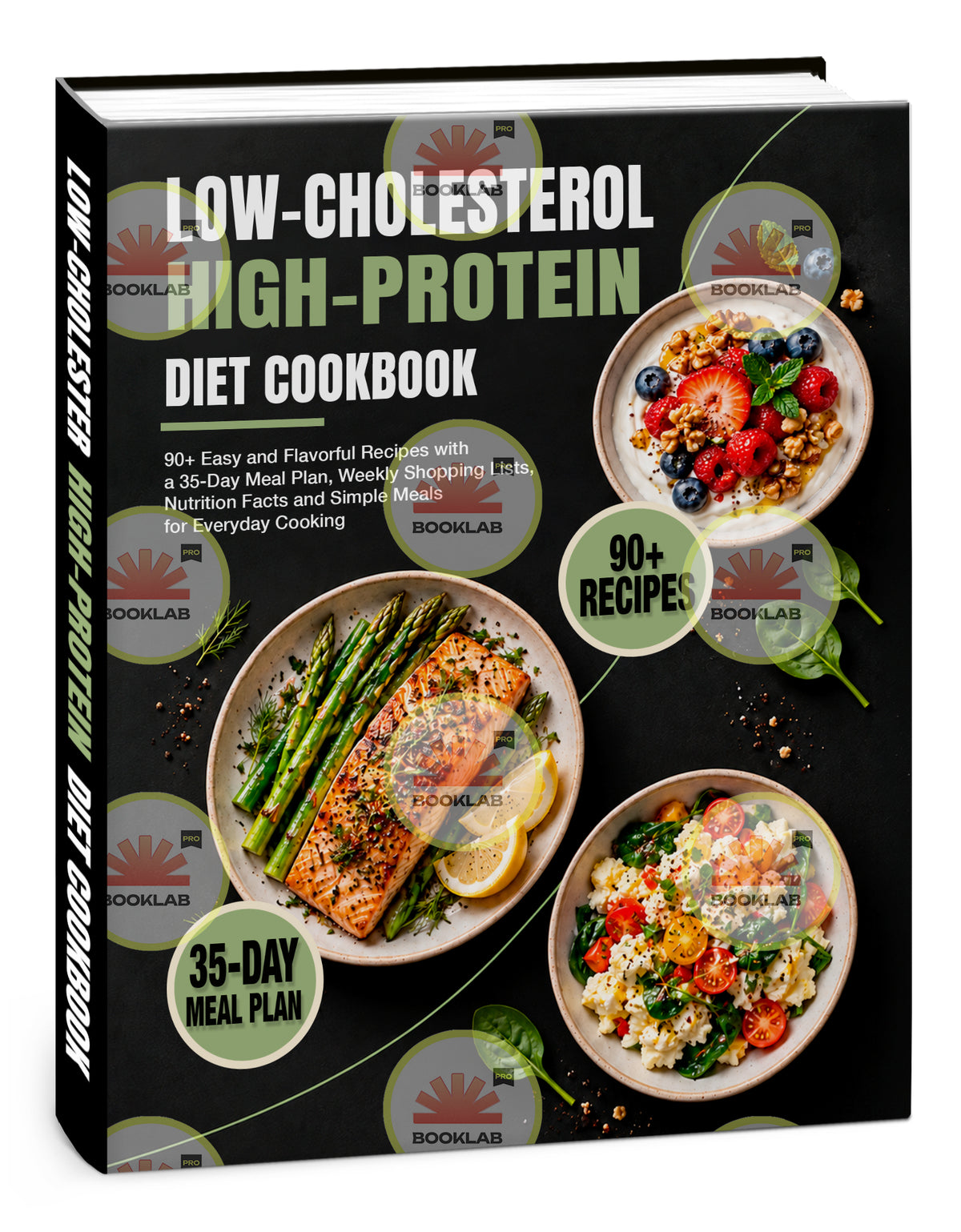
Low-Cholesterol High-Protein Diet Cookbook
Low-Cholesterol High-Protein Diet Cookbook
SKU:16919163
- Ready to publish on Amazon KDP
- Human-Written Manuscript
Couldn't load pickup availability
Premium Publishing Asset for Amazon Sellers: Low-Cholesterol High-Protein Diet Cookbook
A complete, professionally structured 98-page cookbook manuscript featuring 90+ easy and flavorful recipes, a 35-day meal plan, five weekly shopping lists, detailed nutrition facts, and practical guidance for preparing protein-rich, cholesterol-conscious meals — fully written, organized, and ready for publishing preparation.
This publishing asset is designed for Amazon sellers, KDP publishers, publishing agencies, and digital entrepreneurs who want to enter or expand within the low-cholesterol cooking, high-protein nutrition, heart-conscious eating, and balanced lifestyle cookbook niches without spending weeks researching nutrition principles, developing recipes, and organizing specialized content from scratch.
Created for adults interested in making more informed food choices while maintaining adequate protein intake, this cookbook focuses on accessible ingredients, lean and plant-based proteins, fiber-rich foods, and practical cooking techniques.
The manuscript combines introductory nutrition education, a diverse recipe collection, structured meal planning, shopping lists, and nutritional information, providing a strong foundation for developing an informative and reader-friendly Amazon KDP cookbook.
⭐️ What’s Included
✔️ Complete 98-page cookbook manuscript focused on low-cholesterol, high-protein everyday cooking
✔️ 90+ easy and flavorful recipes organized into eight categories
✔️ 14 breakfast and brunch recipes featuring protein-rich oatmeal, Greek yogurt, tofu, egg whites, whole grains, fruits, and seeds
✔️ 10 snack recipes featuring vegetables, legumes, whole grains, and homemade combinations
✔️ 14 soups, salads, and light meals combining lean or plant-based proteins with vegetables, beans, lentils, and grains
✔️ 14 poultry and lean meat recipes featuring chicken, turkey, and lean pork
✔️ 14 seafood recipes featuring salmon, cod, tilapia, halibut, shrimp, scallops, and other seafood options
✔️ 10 plant-based sides and accompaniments featuring quinoa, barley, chickpeas, vegetables, and whole grains
✔️ 9 sauces, dressings, and flavor boosters using herbs, citrus, olive oil, yogurt, and vegetables
✔️ 10 desserts and sweet treats featuring fruit, oats, yogurt, and cocoa
✔️ A complete 35-day meal plan organized into five weeks
✔️ Five coordinated weekly shopping lists
✔️ Nutritional information per serving, including estimated calories, protein, fiber, saturated fat, cholesterol, and glycemic index classification
✔️ Clear ingredient lists with practical quantities and measurements
✔️ Step-by-step cooking instructions suitable for beginners
✔️ Preparation times, cooking times, serving information, and recipe-specific tips
✔️ An introductory chapter explaining cholesterol, dietary fats, protein, and fiber
✔️ Practical guidance on selecting lean and plant-based protein sources
✔️ Food lists covering ingredients to emphasize and foods to limit
✔️ Ingredient substitutions for reducing saturated fat while maintaining flavor
✔️ Kitchen guidance covering grilling, baking, roasting, steaming, and air-frying
✔️ Meal-planning information covering protein distribution, balanced portions, and practical nutrition targets
✔️ Guidance on reading nutrition labels, dining out, and batch cooking
✔️ Suitable for Kindle and paperback publishing preparation
📈 Why This Is a Valuable Publishing Asset
You’re getting a complete, professionally organized cookbook manuscript — not a basic recipe collection, short nutrition overview, or disconnected assortment of high-protein meals.
This book is built around a specialized cooking and nutrition niche: cholesterol-conscious eating, high-protein meal preparation, heart-conscious nutrition, and practical everyday cooking.
Readers interested in this approach often look for meals that provide satisfying amounts of protein while limiting saturated fat and incorporating fiber-rich ingredients. This manuscript addresses those needs by combining foundational nutrition education with practical recipes and a complete five-week meal-planning system.
The introductory chapters explain the relationship between cholesterol, dietary fats, protein sources, and fiber, while helping readers understand how different ingredients fit into a balanced eating pattern.
The manuscript also provides practical guidance on:
- Choosing lean protein sources
- Incorporating plant-based ingredients
- Reducing saturated fat through substitutions
- Preparing meals with less added fat
- Balancing portions and protein intake
- Reading nutrition labels
- Organizing batch cooking
- Making informed choices when dining out
The recipe collection offers variety across breakfasts, snacks, soups, salads, light meals, poultry dishes, seafood, plant-based sides, sauces, and desserts.
This range allows readers to explore protein-rich meals throughout the day without relying exclusively on meat-based dishes or repetitive ingredient combinations.
The 35-day meal plan organizes meals into five weeks, while the five corresponding shopping lists simplify grocery planning and ingredient preparation.
Unlike recipe collections focused only on cooking instructions, this manuscript includes detailed nutritional information to help readers compare protein, saturated fat, cholesterol, fiber, calories, and other dietary characteristics.
With its combination of nutrition education, organized recipes, meal planning, shopping lists, and practical kitchen guidance, this manuscript provides a substantial foundation for developing a comprehensive Amazon KDP cookbook.
💼 Ideal For
- KDP publishers expanding their nutrition, wellness, cookbook, or balanced lifestyle catalogs
- Publishing agencies seeking a complete culinary manuscript
- Entrepreneurs developing Kindle, paperback, or digital cookbook products
- Sellers entering the low-cholesterol, high-protein, or heart-conscious cooking niches
- Publishers seeking recipes supported by introductory nutrition education
- Amazon sellers targeting adults interested in cholesterol-conscious eating
- Content publishers seeking structured meal planning and nutritional information
- Sellers looking for a cookbook featuring lean proteins, plant-based alternatives, and practical meal-preparation techniques
🚀 What Makes This Book Special
- 90+ recipes across eight organized categories
- A combined focus on protein-rich meals and cholesterol-conscious food choices
- Lean animal proteins, plant-based proteins, and fiber-rich ingredients
- A complete 35-day meal plan
- Five weekly shopping lists
- Nutritional information covering protein, saturated fat, cholesterol, fiber, and calories
- Accessible explanations of cholesterol, dietary fats, protein, and fiber
- Guidance for selecting protein sources with attention to saturated fat
- Ingredient substitutions for more balanced versions of familiar meals
- Baking, grilling, steaming, roasting, and air-frying techniques
- Breakfast, lunch, dinner, snack, side, sauce, and dessert options
- Recipes featuring poultry, seafood, tofu, legumes, whole grains, and lower-fat dairy
- Beginner-friendly instructions and familiar ingredients
- Preparation times, serving information, and cooking tips
- Portion guidance and balanced meal composition
- Nutrition-label and grocery-shopping guidance
- Meal preparation and batch-cooking strategies
- Practical recommendations for navigating restaurant menus
- A sustainable approach without extreme restrictions
- Educational content without promises of medical treatment, guaranteed cholesterol reduction, or specific health outcomes
This is a complete publishing asset designed for Amazon sellers seeking a practical, content-rich manuscript in the low-cholesterol cooking, high-protein nutrition, and heart-conscious eating niches.
With 90+ flavorful recipes, eight organized recipe categories, a 35-day meal plan, five weekly shopping lists, detailed nutritional information, introductory dietary guidance, ingredient substitutions, and practical meal-preparation resources, Low-Cholesterol High-Protein Diet Cookbook provides a strong foundation for developing a professional Amazon KDP cookbook combining nutritional awareness, satisfying everyday meals, and accessible home cooking.
- Number of pages: 98
- Trim Size Paperback: 8,5*11
- Trim Size Hardcover: 8,25*11
Share

What's Included
-
Manuscript PDF
Complete manuscript in PDF format
-
eBook Format
Ready-to-publish electronic book format
-
Plagiarism Report
Detailed plagiarism check report
-
Book Cover
Covers that sell and visuals that grab attention
-
Book Description
Book description for marketing purposes
-
Book Quality Guide
Guide to reviewing book quality before publishing on Amazon KDP
Book Details
Human-Written Content
This manuscript was written by human authors and reviewed by editors. We do not use AI-generated text for the core book content. Each title is created as an original publishing asset for Amazon KDP sellers who want ready-to-use, professional-quality content.
Outline Overview
Table of Contents
Introduction: A Practical Approach to Protein-Rich, Cholesterol-Conscious Cooking
- Purpose of the cookbook
- Understanding the low-cholesterol, high-protein approach
- Using lean animal proteins and plant-based alternatives
- Building balanced meals with familiar ingredients
- How to use the recipes, meal plan, and shopping lists
- Setting realistic and sustainable expectations
Part I: Nutrition and Kitchen Foundations
Chapter 1: The Science Basics
- Understanding dietary cholesterol
- LDL, HDL, and triglycerides
- Dietary cholesterol versus saturated fat
- The role of protein in a balanced diet
- Animal and plant-based protein sources
- Why dietary fiber matters
- Choosing unsaturated fats
- Creating balanced meals without extreme restrictions
Chapter 2: Building Your Kitchen and Pantry
- Essential kitchen equipment
- Pantry staples for everyday cooking
- Lean poultry, seafood, tofu, beans, and lentils
- Whole grains and fiber-rich carbohydrates
- Lower-fat dairy and dairy alternatives
- Nuts, seeds, herbs, and spices
- Ingredients to emphasize
- Foods and ingredients to limit
- Saturated-fat-conscious substitutions
- Cooking with grilling, baking, roasting, steaming, and air-frying
- Reading food labels
- Batch cooking and ingredient preparation
- Making informed choices when dining out
Chapter 3: Meal Planning and Nutrition at a Glance
- Building a balanced plate
- Distributing protein throughout the day
- Understanding serving and portion sizes
- Combining protein with fiber-rich ingredients
- Planning meals for five weeks
- Using leftovers efficiently
- Reviewing estimated nutrition facts
- Adapting meals to individual preferences
Part II: Recipe Collection
Chapter 4: Breakfasts and Brunches
14 protein-rich breakfast recipes, including:
- Protein-Packed Oatmeal with Soy Milk and Seeds
- Greek Yogurt Parfait with Berries and Nuts
- Tofu Scramble with Spinach and Turmeric
- Smoked Salmon and Spinach Egg-White Omelet
- Overnight Protein Oats
- Cottage Cheese Power Bowl
- Green Protein Smoothie
- High-Protein Peanut Butter Waffles
- Whole-Grain Cereal Bowl with Yogurt and Berries
- Cinnamon-Baked Apples with Yogurt
- Protein-Boosted Buckwheat Pancakes
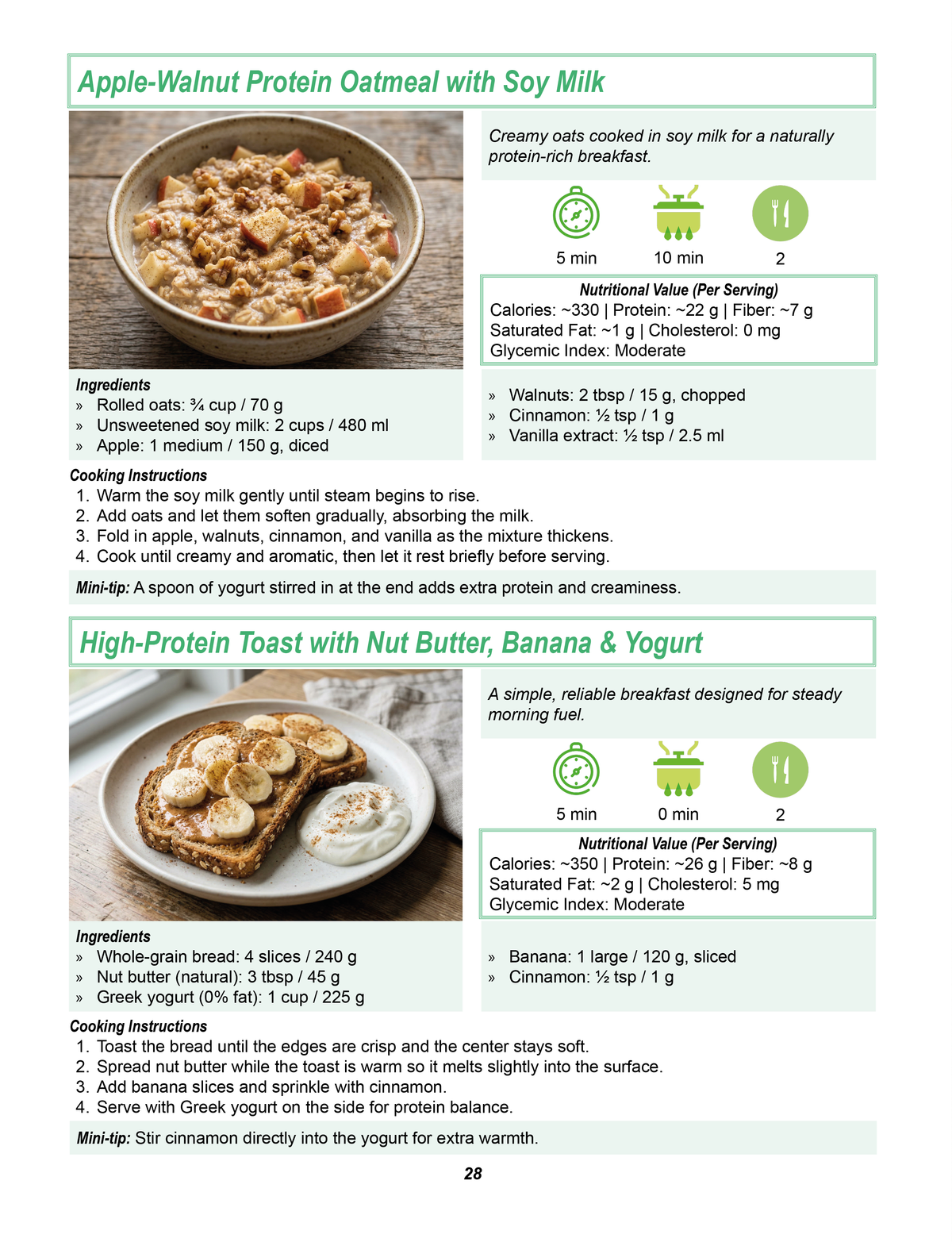
- High-Protein Toast with Nut Butter and Banana
- Apple-Walnut Protein Oatmeal
- Lemon-Herb Tofu Breakfast Skillet
Chapter 5: Snacks and Small Bites
10 convenient snack recipes, including:
- Hummus and Vegetable Platter
- Cucumber Bites with Avocado Mash
- Baked or Air-Fried Zucchini Fritters
- Tomato and Avocado Bruschetta
- Chia and Almond Crackers
- Quinoa and Black Bean Patties
- Whole-Grain Crackers with Hummus
- Chickpea and Spinach Falafel Bites
- Guacamole with Whole-Grain Chips
- Stuffed Mini Bell Peppers
Chapter 6: Soups, Salads, and Light Meals
14 soups, salads, bowls, and lighter meals, including:
- Lemon-Garlic Lentil and Spinach Soup
- White Bean Chili Bowl
- Chicken and Avocado Power Salad
- Quinoa and Chickpea Lemon-Herb Salad
- Creamy Lentil and Spinach Soup
- Citrus Chicken and White Bean Protein Bowl
- Mediterranean Tuna and White Bean Salad
- Tomato and White Bean Comfort Soup
- Greek-Style Cucumber and Chickpea Salad
- Spinach and Egg White Drop Soup
- Roasted Vegetable and Lentil Bowl
- Lemon Chicken and Orzo Soup
- Creamy Avocado and Yogurt Green Salad
- Sardine and Tomato Protein Plate
Chapter 7: Poultry and Lean Meat Mains
14 main dishes featuring chicken, turkey, and lean pork:
- Herb-Roasted Chicken Breast
- Mediterranean Turkey Cutlets
- Ground Turkey and Spinach Skillet
- Baked Chicken with Dijon and Herbs
- Turkey Meatballs in Tomato-Basil Sauce
- Grilled Chicken with Avocado-Lime Drizzle
- Stuffed Chicken Breast with Spinach and White Beans
- Citrus-Marinated Chicken Breast
- Ground Turkey Lettuce Wraps
- Balsamic-Glazed Chicken with Vegetables
- Turkey Tenderloin with Apple and Sage
- Lemon-Pepper Chicken Skillet
- Lean Pork Tenderloin with Mustard and Thyme
- Chicken and White Bean Skillet
Chapter 8: Seafood Mains
14 seafood recipes featuring fish, shrimp, scallops, crab, tuna, and sardines:
- Grilled Lemon-Herb Salmon
- Baked Cod with Garlic and Tomatoes
- Herb-Crusted Tilapia
- Miso-Glazed Halibut
- Mediterranean Fish Stew
- Crab and Mango Salad
- Ginger-Garlic Scallops
- Tuna and Cucumber Rice Paper Rolls
- Szechuan-Style Fish
- Lime-Marinated Ceviche
- Shrimp and Avocado Salad
- Lemon-Herb Quinoa with Grilled Fish
- Sheet-Pan Salmon with Asparagus
- Sardine and White Bean Lemon Salad
Chapter 9: Plant-Based Sides and Accompaniments
10 vegetable, grain, and legume-based sides, including:
- Barley and Herb Pilaf
- Lemon-Garlic Brussels Sprouts
- Sweet Potato Mash with Warm Spices
- Herb and Chickpea Quinoa Salad
- Garlicky Steamed Greens
- Roasted Broccoli with Almonds
- Mushroom and Thyme Barley Medley
- Quinoa and Black Bean Salad
- Garlic-Lemon Asparagus
- Spiced Sweet Potato Wedges
Chapter 10: Sauces, Dressings, and Flavor Boosters
9 sauces and dressings, including:
- Lemon-Tahini Sauce
- Classic Olive Oil Vinaigrette
- Creamy Yogurt-Herb Dressing
- Roasted Red Pepper Sauce
- Fresh Tomato-Basil Sauce
- Mustard-Lemon Pan Sauce
- Garlic-Infused Olive Oil
- Low-Oil Herb Chimichurri
- Light Avocado-Lime Cream
Chapter 11: Desserts and Sweet Treats
10 fruit-, oat-, yogurt-, and cocoa-based desserts, including:
- Maple-Baked Apples with Lemon Glaze
- Vanilla Chia Cream
- Dark Cocoa Yogurt Cloud
- Warm Berry Compote
- Banana-Oat Cookies
- Pear and Ginger Soft Bake
- Cocoa-Date Energy Squares
- Citrus Yogurt Cream
- Baked Berry-Oat Crumble Cups
- Frozen Banana-Berry Nice Cream
Part III: Five-Week Meal-Planning System
Chapter 12: 35-Day Starter Meal Plan
Week 1: Days 1–7
- Introduction to the eating pattern
- Simple meals using familiar ingredients
- Balanced protein distribution
Week 2: Days 8–14
- Expanded variety
- Additional plant-based protein meals
- Practical use of leftovers
Week 3: Days 15–21
- Poultry, seafood, and legume rotation
- Balanced snacks and side dishes
- Continued meal-preparation practice
Week 4: Days 22–28
- Greater recipe flexibility
- Batch cooking and substitutions
- Maintaining meal variety
Week 5: Days 29–35
- Building an independent routine
- Reusing favorite recipes
- Preparing for long-term meal planning
Part IV: Weekly Shopping Lists
Week 1 Shopping List
- Fresh produce
- Lean and plant-based proteins
- Whole grains
- Dairy or alternatives
- Pantry staples
Week 2 Shopping List
- Ingredients coordinated with Days 8–14
- Restocking frequently used staples
Week 3 Shopping List
- Ingredients coordinated with Days 15–21
- Poultry, seafood, legumes, and vegetables
Week 4 Shopping List
- Ingredients coordinated with Days 22–28
- Batch-cooking and substitution options
Week 5 Shopping List
- Ingredients coordinated with Days 29–35
- Flexible staples for continued meal planning
Conclusion: Making Balanced Cooking Sustainable
- Applying the cookbook’s principles in everyday life
- Choosing protein sources thoughtfully
- Maintaining variety without complicated rules
- Planning meals consistently
- Adapting recipes to individual preferences
- Focusing on progress instead of perfection
Sample Chapter
Chapter 1: The Science Basics
Understanding cholesterol and how your diet influences it is the foundation for making smart, sustainable choices. This chapter breaks down the essentials in plain language—no jargon overload—so you can feel confident about why the recipes in this book emphasize certain foods and limit others.
What Cholesterol Is and How Food Affects Blood Levels
Cholesterol is a lipid-based compound that the body requires in limited quantities to function properly. Your liver produces most of the cholesterol your body uses to build cell membranes, make hormones (like estrogen and testosterone), produce vitamin D, and help digest fats. You get some cholesterol from food too—called dietary cholesterol—found only in animal products like meat, poultry, eggs, dairy, and shellfish.
Blood cholesterol comes in different forms carried by lipoproteins:
- LDL (“bad” cholesterol): High levels can build up in artery walls, forming plaque that increases the risk for heart disease and stroke.
- HDL (“good” cholesterol): Helps remove excess cholesterol from the bloodstream and transport it back to the liver for elimination.
For many years, people thought that eating high-cholesterol foods directly raised blood cholesterol levels significantly. But the latest evidence shows it’s more nuanced. For most people, dietary cholesterol has only a modest effect on blood cholesterol levels. The body regulates production: when you eat more cholesterol, your liver often makes less. Saturated fats (and to a lesser extent, trans fats) have a much stronger impact—they prompt the liver to produce more LDL cholesterol.
Foods high in saturated fat—like fatty cuts of red meat, butter, full-fat cheese, and processed foods—raise LDL more reliably than dietary cholesterol alone. That’s why modern guidelines focus primarily on reducing saturated fat rather than strictly capping cholesterol for everyone. However, since many high-cholesterol foods are also high in saturated fat, keeping dietary cholesterol low still helps overall heart health.
Soluble fiber plays a starring role too: it binds to cholesterol in the digestive system and helps excrete it before it’s absorbed. That’s why oats, beans, lentils, apples, and pears are powerful allies.
Key Principles of a Low-Cholesterol, High-Protein Approach
This cookbook follows evidence-based guidelines from organizations like the American Heart Association (AHA) and aligns with broader heart-health recommendations:
- Limit saturated fat. Aim for less than 6% of total daily calories from saturated fat (AHA’s recommendation for those needing to lower cholesterol; general Dietary Guidelines suggest under 10%). On a 2,000-calorie diet, that’s about 13 grams or less per day. Saturated fat is a key contributing factor to elevated LDL levels.
- Keep dietary cholesterol low. While there is no longer a strict universal limit for dietary cholesterol—the current U.S. Dietary Guidelines recommend keeping intake as low as possible while maintaining nutritional adequacy—many experts and heart health organizations suggest limiting cholesterol to under 200–300 mg per day, particularly for individuals with high cholesterol or other cardiovascular risk factors.
- Prioritize high-quality protein. Target 25–40 grams of protein per main meal (and 100–130+ grams total daily, depending on your needs). Focus on lean and plant-based sources to deliver protein without excess saturated fat or cholesterol. This supports satiety, muscle maintenance, metabolism, and weight management while protecting your heart.
- Boost soluble fiber. Aim for 25–35+ grams of total fiber daily, with at least 5–10 grams from soluble sources. According to the American Heart Association, soluble fiber may help support healthy LDL levels by binding to cholesterol in the digestive system before it is absorbed.
Other supportive habits: Choose unsaturated fats (olive oil, avocados, nuts/seeds in moderation), eat plenty of vegetables and fruits, minimize processed foods/trans fats, and pair protein with fiber-rich carbs.
Top 10 Cholesterol-Lowering Foods That Are Also High-Protein
These standouts pack protein while helping lower LDL through low/no cholesterol, minimal saturated fat, high soluble fiber, or beneficial omega-3s/plant sterols:
- Salmon (and other fatty fish like mackerel, sardines): ~25 g protein per 100 g serving. Rich in heart-protective omega-3s that improve HDL and reduce inflammation/triglycerides. Low saturated fat.
- Tofu: ~10–20 g protein per 100 g (depending on firmness). Zero cholesterol, low saturated fat, plus plant compounds that support heart health.
- Lentils: ~18 g protein per cooked cup. Zero cholesterol, loaded with soluble fiber to actively lower LDL, plus iron and folate.
- Chickpeas (garbanzo beans): ~15 g protein per cooked cup. Excellent soluble fiber source; great in salads, hummus, or roasted snacks.
- Egg whites: ~3.6 g protein per large white (0 mg cholesterol). Virtually fat-free; perfect for scrambles, omelets, or baking.
- 0% fat Greek yogurt: ~20 g protein per cup. Low cholesterol, high in probiotics; use plain in parfaits, dressings, or smoothies.
- Turkey breast (skinless): ~30 g protein per 100 g lean. Very low saturated fat/cholesterol when trimmed; excellent lean poultry option.
- Edamame (young soybeans): ~17 g protein per cooked cup. Plant-based complete protein, zero cholesterol, with fiber and isoflavones.
- Tempeh: ~19 g protein per 100 g. Fermented soy; zero cholesterol, higher protein density than tofu, with gut-friendly benefits.
- Quinoa (bonus whole grain): ~8 g protein per cooked cup. Complete plant protein, plus fiber; pairs perfectly with other proteins.
Incorporating these regularly—along with nuts/seeds (like walnuts for extra omega-3s), beans, and oats—creates meals that taste great while working hard for your heart and muscles.
With these basics in mind, you’re ready to explore the recipes. They put science into practice: flavorful, satisfying dishes that hit high protein targets while keeping saturated fat and cholesterol in check.
See Inside the Book


