


BookLab
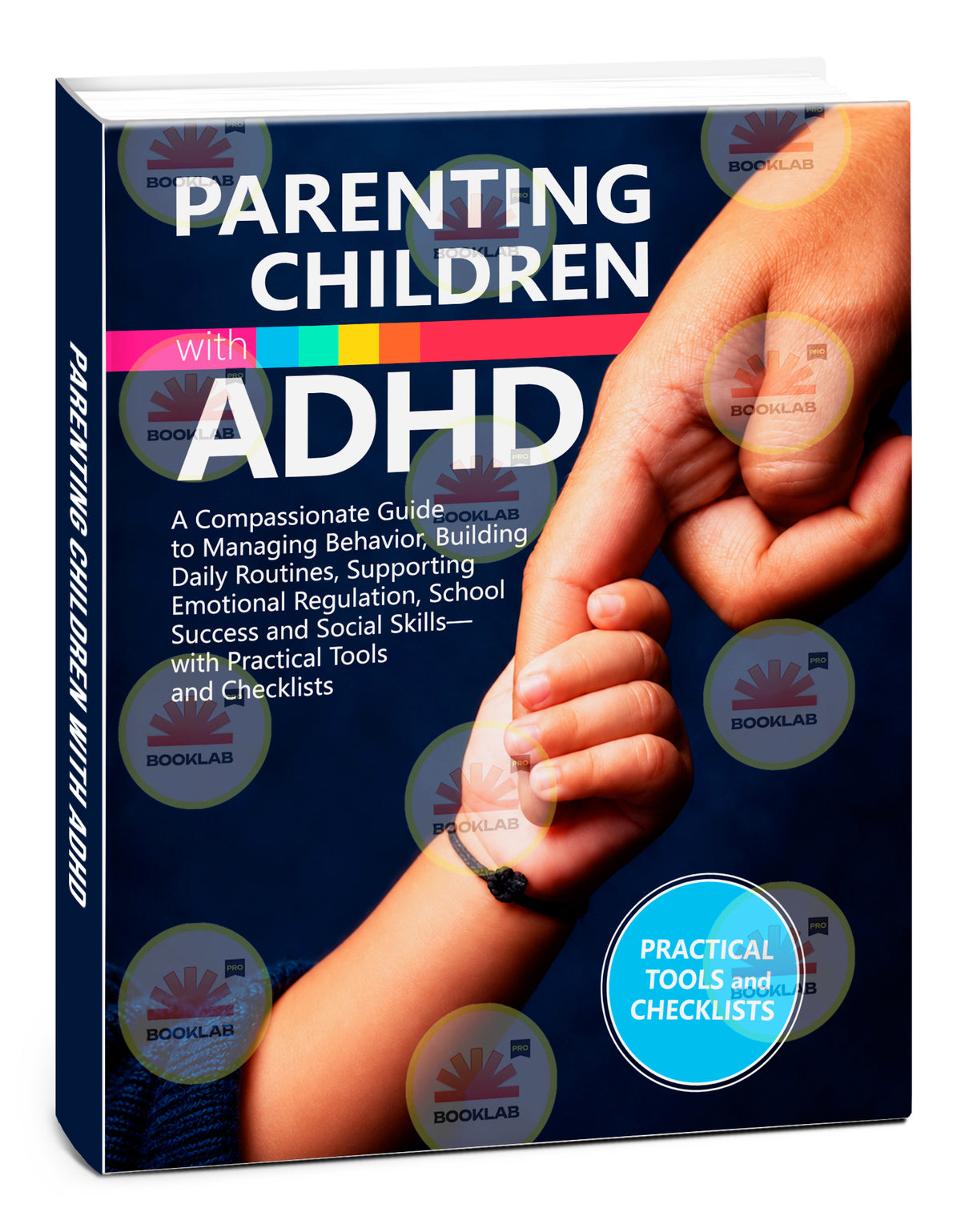
Parenting Children with ADHD
Parenting Children with ADHD
SKU:16128091
- Ready to publish on Amazon KDP
- Human-Written Manuscript
Couldn't load pickup availability
Premium Publishing Asset for Amazon Sellers: Parenting Children with ADHD
A complete, professionally structured 117-page ADHD parenting guide manuscript featuring compassionate parenting strategies, practical behavior management techniques, daily routine guidance, emotional regulation tools, school support strategies, and ready-to-use checklists — fully written, organized, and ready for publishing preparation.
This publishing asset is designed for Amazon sellers who want to enter or expand within the ADHD parenting, child development, positive parenting, and neurodiversity education niches without spending weeks researching, writing, and organizing specialized parenting content from scratch.
Created specifically for parents, caregivers, and families raising children with ADHD, this book focuses on understanding neurodevelopmental differences, building supportive home environments, managing everyday challenges, and encouraging children’s emotional, academic, and social development.
The manuscript combines accessible ADHD education with practical parenting strategies, real-life examples, communication techniques, and structured resources, providing a strong foundation for developing an informative and reader-friendly Amazon KDP parenting guide.
⭐️ What’s Included:
✔️ Complete 117-page nonfiction manuscript focused on parenting children with ADHD
✔️ Six comprehensive chapters covering ADHD understanding, compassionate parenting, everyday behavior management, school support, social development, and additional care options
✔️ Clear explanations of ADHD, including inattentive, hyperactive-impulsive, and combined presentations
✔️ Educational guidance on executive functioning, attention difficulties, impulsivity, emotional intensity, and common ADHD misconceptions
✔️ Compassionate parenting strategies addressing realistic expectations, healthy boundaries, parental stress, guilt, and burnout
✔️ Practical methods for establishing consistent daily routines, organizing the home, and creating supportive environments
✔️ Behavior management techniques featuring positive reinforcement, reward systems, clear expectations, and constructive communication
✔️ Emotional regulation strategies, calming techniques, and exercises for developing emotional awareness and resilience
✔️ School-focused guidance covering teacher communication, IEPs, 504 Plans, classroom accommodations, and homework support
✔️ Social development strategies addressing friendships, conflict resolution, bullying, extracurricular activities, and preparation for adolescence
✔️ Educational overview of professional support options, behavioral therapies, medication considerations, and lifestyle factors such as nutrition, sleep, and exercise
✔️ Practical parent-child communication examples, sample scripts, real-life scenarios, and age-adapted behavior strategies
✔️ Five helpful tools: Daily Routine Checklist, Behavior and Reward Chart Template, School Communication Log, Calming Strategies Toolbox, and Parent Self-Care Checklist
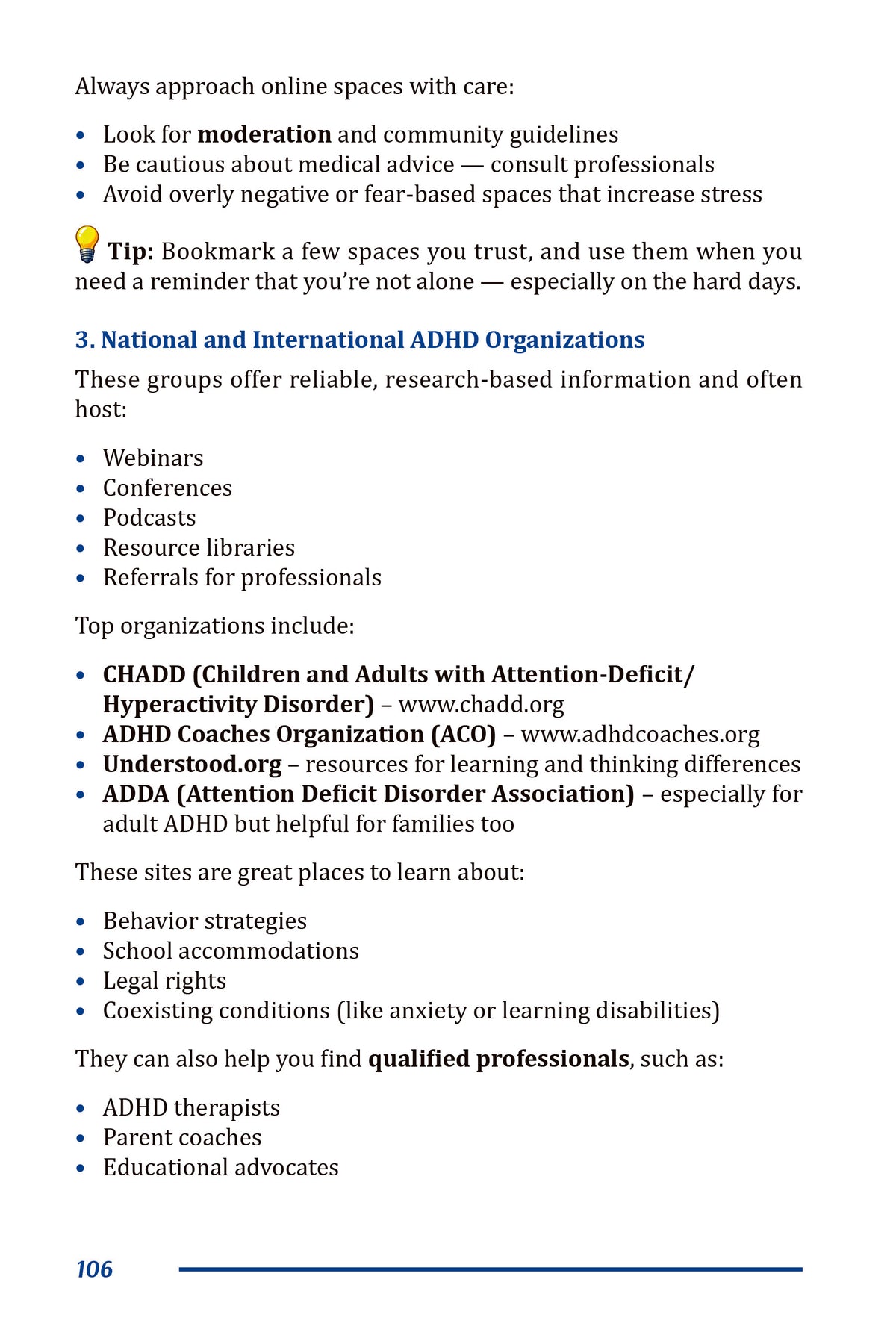
✔️ Additional reference materials featuring recommended books, websites, organizations, and family support resources
✔️ Suitable for Kindle and paperback publishing preparation
📈 Why This Is a Valuable Publishing Asset
You’re getting a complete, professionally organized nonfiction manuscript — not a basic parenting checklist, a short educational overview, or disconnected behavioral advice.
This book is built around a specialized parenting and child development niche: ADHD education, positive parenting, emotional regulation, behavioral support, and neurodiversity.
Parents raising children with ADHD often look for practical information that helps them understand their child’s behavior, establish manageable routines, communicate effectively, and navigate school-related challenges.
This manuscript addresses these interconnected needs through a structured approach that combines foundational ADHD education with actionable everyday parenting strategies.
The six-chapter structure guides readers from understanding ADHD and developing a compassionate parenting mindset to implementing behavior management tools, supporting academic development, strengthening social skills, and exploring additional professional resources.
Practical checklists, behavior charts, communication logs, and calming strategies extend the manuscript beyond a traditional parenting guide, providing useful tools readers can incorporate into their family routines.
With educational explanations, applied strategies, real-life examples, and organized reference materials already included, this manuscript offers a solid foundation for creating a comprehensive Amazon KDP parenting product.
💼 Ideal For:
• KDP publishers expanding their parenting, child development, or family wellness catalogs
• Publishing agencies looking for a complete, professionally structured nonfiction manuscript
• Entrepreneurs developing Kindle, paperback, or digital educational products
• Sellers entering the ADHD parenting, positive discipline, or neurodiversity education niches
• Publishers seeking a practical guide combining behavioral strategies, emotional support, and educational resources
• Amazon sellers targeting parents, caregivers, and families raising children with ADHD
🚀 What Makes This Book Special:
• Focuses specifically on the everyday challenges of parenting children with ADHD
• Combines accessible ADHD education with compassionate, practical parenting guidance
• Features six structured chapters covering home life, school, friendships, emotional development, and additional support
• Explains ADHD-related behavior through a neurodevelopmental perspective rather than punishment-focused approaches
• Provides strategies for creating predictable routines and organized home environments
• Includes positive reinforcement techniques, reward charts, and practical behavior management methods
• Addresses emotional regulation, communication difficulties, and challenging family interactions
• Offers school support guidance covering homework, teacher collaboration, IEPs, and 504 Plans
• Explores social confidence, friendships, bullying, and preparation for greater independence
• Recognizes parental stress, burnout, and the importance of caregiver well-being
• Includes practical checklists, templates, sample scripts, and real-life parenting examples
• Covers professional support options and lifestyle foundations without promoting one-size-fits-all solutions
• Emphasizes children’s individual strengths, confidence, and long-term development
• Uses a supportive, educational approach without unrealistic behavioral promises or guaranteed outcomes
This is a complete publishing asset designed for Amazon sellers who want a practical, content-rich manuscript in the ADHD parenting and child development niches.
With its six-chapter structure, compassionate parenting strategies, behavior management techniques, emotional regulation guidance, school and social development resources, and practical checklists, Parenting Children with ADHD provides a strong foundation for developing a professional Amazon KDP parenting guide that combines educational depth with real-world usability.
- Number of pages: 117
- Trim Size Paperback: 8,5*11
- Trim Size Hardcover: 8,25*11
Share
What's Included
-
Manuscript PDF
Complete manuscript in PDF format
-
eBook Format
Ready-to-publish electronic book format
-
Plagiarism Report
Detailed plagiarism check report
-
Book Cover
Covers that sell and visuals that grab attention
-
Book Description
Book description for marketing purposes
-
Book Quality Guide
Guide to reviewing book quality before publishing on Amazon KDP
Book Details
Human-Written Content
This manuscript was written by human authors and reviewed by editors. We do not use AI-generated text for the core book content. Each title is created as an original publishing asset for Amazon KDP sellers who want ready-to-use, professional-quality content.
Outline Overview
Table of Contents
Introduction
- Preface for Parents
- A Personal Note from the Author
- How to Use This Book
Chapter 1: Understanding ADHD
- What ADHD Really Is
- A Brief History of ADHD
- Moving Beyond Parenting Myths
- Understanding ADHD as Wiring, Not Willpower
- Common ADHD Myths and Scientific Facts
- Inattentive Presentation
- Hyperactive-Impulsive Presentation
- Combined Presentation
- How ADHD Affects Home, School, and Peer Relationships
- Why Every Child’s Experience Is Different
- How ADHD Is Diagnosed and Assessed
- Who Can Diagnose ADHD
- The Evaluation Process
- Ruling Out Other Conditions
- The Importance of Early Diagnosis
- Collaboration Between Families and Professionals
- Experiencing ADHD from the Child’s Perspective
- Overstimulation and Emotional Intensity
- Self-Esteem and the Effects of Frequent Correction
- Masking, Fitting In, and Burnout
- Moving from Understanding to Compassion
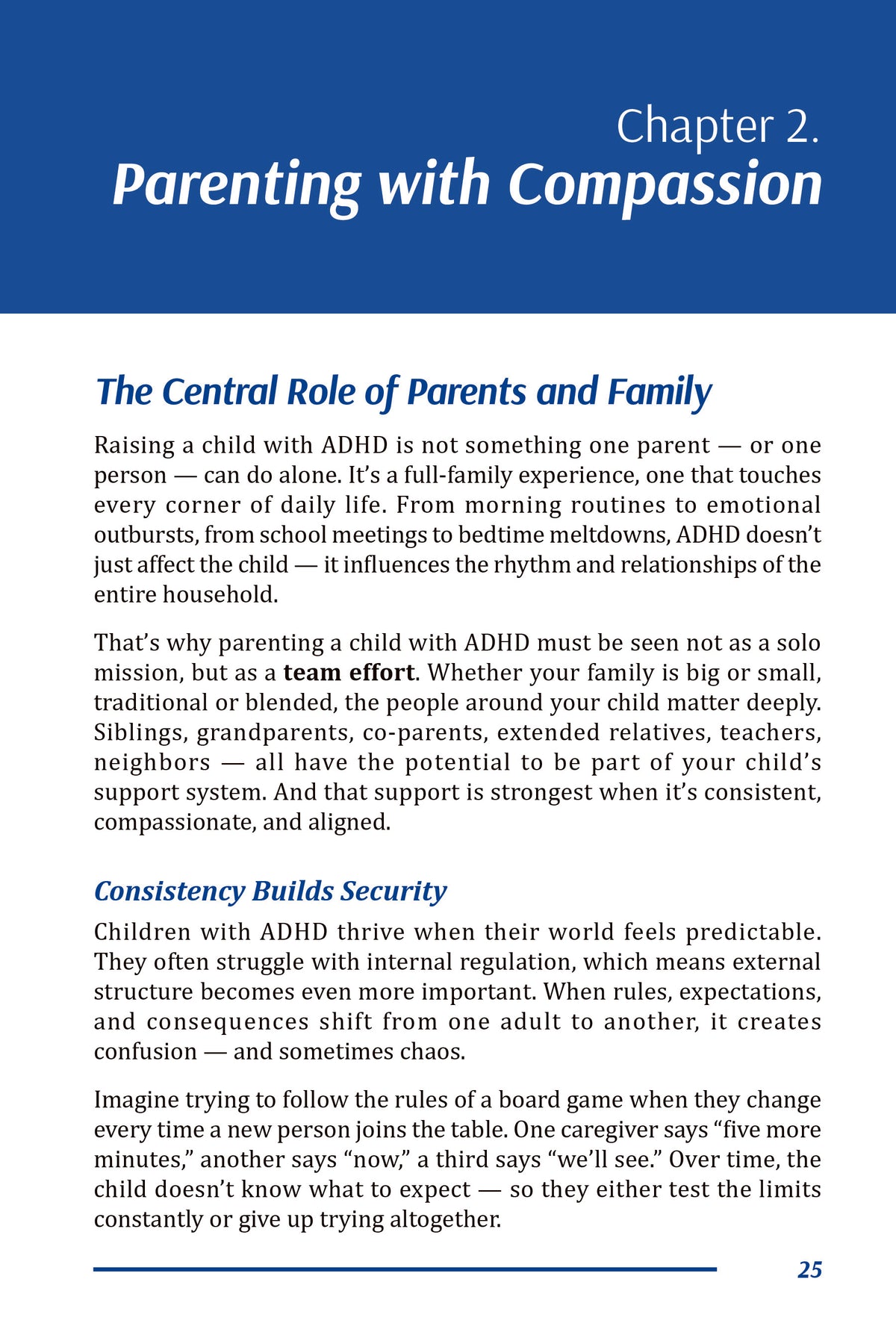
Chapter 2: Parenting with Compassion
- The Role of Parents and Family
- How Consistency Creates Security
- Building a Supportive Home Culture
- Looking Beyond Behavior Management
- Parental Stress, Guilt, and Burnout
- Practical Ways to Restore Energy
- Accepting the Diagnosis
- Processing Shock, Denial, and Grief
- Shifting from Deficit to Difference
- Realistic Expectations for Parents and Children
- Compassion Without Chaos
- Establishing Healthy Boundaries
- Boundaries as Safety Rather Than Punishment
- What Effective Boundaries Look Like at Home
- Modeling the Behavior You Want to Encourage
Chapter 3: Practical Strategies for Everyday Parenting
Creating Structure and Consistent Routines
- Why Predictability Helps
- Building a Manageable Daily Rhythm
- Visual Schedules and Routine Tools
- Creating Structure Without Rigidity
- Morning Routine Case Study
Organizing the Home for Success
- How the Home Environment Affects Behavior
- Decluttering with Purpose
- Creating Clearly Defined Zones
- Using Labels and Visual Organization
- Building Systems for Everyday Tasks
- Creating a Calm Corner
Behavior Management Strategies
- Understanding Behavior as Communication
- Setting Clear Expectations
- Following Through Consistently
- Time-In Versus Time-Out
- Why Punishment Can Backfire
- Balancing Firmness with Warmth
- Practical Parent Scripts
Positive Reinforcement and Motivation
- Why Rewards Can Help Children with ADHD
- Types of Positive Reinforcement
- Using Effective and Specific Praise
- Avoiding Bribes and Power Struggles
- Age-Adapted Reward Charts
Communication Without Power Struggles
- Recognizing Common Communication Traps
- Listening Before Responding
- Keeping Instructions Short and Clear
- Using Tone, Eye Contact, and Proximity
- Offering Choices Within Limits
- Conflict-to-Collaboration Roleplay Scripts
Emotional Regulation and Self-Awareness
- Why Emotions Can Feel So Intense
- Practical Calming Techniques
- Naming and Understanding Feelings
- Modeling Emotional Regulation
- Daily Practices That Build Resilience
- Developing Skills for Long-Term Independence
Chapter 4: School and Learning
Working with Teachers and School Systems
- Why Parent-Teacher Collaboration Matters
- Starting Communication Early
- Maintaining Regular Communication
- Building a Team-Based Approach
- Becoming a Respectful Advocate
- Conversation Starters for Parents
Educational Plans and Accommodations
- Understanding IEPs and 504 Plans
- Helpful Classroom Accommodations
- Requesting Evaluations and Support
- Real-Life Examples of Accommodations
Homework Without Battles
- Why Homework Can Be Difficult
- Reducing Distractions and Conflict
- Balancing Support with Independence
- Focusing on Effort Rather Than Perfection
- Homework Support Case Study
Strengths and Creative Learning
- Strengths Commonly Associated with ADHD
- Moving Beyond a Weakness-Focused Approach
- Discovering a Child’s Talents
- Learning Through Individual Strengths
- Looking Beyond Grades
- Building Academic Confidence and Resilience
Chapter 5: Social Development and Peer Relationships
Building and Maintaining Friendships
- Why Friendship Can Be More Difficult with ADHD
- Teaching Friendship Skills at Home
- Coaching Playdates and Social Activities
- Prioritizing Quality Over Quantity
- Modeling Empathy, Patience, and Kindness
Conflict and Bullying
- Understanding the Increased Risk of Conflict
- Teaching Conflict-Resolution Skills
- Distinguishing Bullying from Teasing
- Knowing When to Involve the School
- Building Inner Resilience
- Supporting a Child After Bullying
Sports and Extracurricular Activities
- Benefits of Extracurricular Participation
- Physical Activity and ADHD
- Matching Activities to the Child
- Encouraging Persistence Without Overscheduling
- Building Confidence Outside the Classroom
Preparing for Adolescence
- ADHD Challenges During Adolescence
- Building Responsibility Gradually
- Discussing Peer Pressure, Identity, and Self-Image
- Balancing Independence with Structure
- Finding Mentors and Supportive Peers
- Preparing for Future Transitions
Chapter 6: Extra Support and Holistic Care
Therapy and Professional Support
- Evidence-Based Therapy Options
- How Therapy Can Support the Whole Family
- Choosing a Therapist or Program
- Understanding Therapy as an Ongoing Process
Medication Considerations
- How ADHD Medications Work
- Potential Benefits
- Common Concerns and Misconceptions
- Working with Healthcare Providers
- Understanding Medication as One Possible Tool
Lifestyle Foundations
- Nutrition for Focus and Energy
- Sleep and ADHD Symptoms
- Exercise and Daily Movement
- Creating Change Through Manageable Steps
Parent and Community Support
- Why Support Networks Matter
- Finding Parent Support Groups
- Locating Community Resources
- Sharing Experiences with Other Families
- Remembering That Parents Are Not Alone
Conclusion
- Words of Hope and Encouragement
- Why Perfection Is Not the Goal
- Finding Growth in Difficult Moments
- Recognizing and Celebrating a Child’s Strengths
- Celebrating Small Victories
- Supporting Families Through New Challenges
- Developing a Long-Term Perspective
- Taking the Lessons Forward
Appendices
Practical Tools and Checklists
- Daily Routine Checklist
- Behavior and Reward Chart Template
- School Communication Log
- Calming Strategies Toolbox
- Parent Self-Care Checklist
Recommended Resources
- Books for Parents
- Books for Children
- Helpful Websites
- ADHD and Family Support Organizations
Sample Chapter
What ADHD Really Is: Definitions and History
Attention-Deficit/Hyperactivity Disorder, or ADHD, is a neurodevelopmental condition that affects how the brain regulates attention, impulse control, and activity levels. Children with ADHD may seem constantly in motion, struggle to focus on tasks that don’t interest them, forget instructions, act without thinking, or shift rapidly from one thought or activity to another. These behaviors aren’t simply a matter of poor discipline or lack of effort — they reflect real, measurable differences in how the brain functions and develops.
ADHD is one of the most common childhood conditions, and yet it is also one of the most misunderstood. Many parents receive the diagnosis with mixed emotions: relief in finally having an explanation for their child’s struggles, and fear of what the label might mean. Understanding the condition — where it comes from, what it does and does not mean — is the first step in removing shame, blame, and confusion from the parenting equation.
A Brief History of ADHD
What we now call ADHD has been observed and described in various ways for more than a century. In the early 1900s, British pediatrician Sir George Still described a group of children who were intelligent and healthy but exhibited serious problems with “volitional inhibition” — in simpler terms, self-control. He noted that these difficulties weren’t due to poor upbringing, but something innate.
Throughout the 20th century, ADHD was studied under several different names: “minimal brain dysfunction,” “hyperkinetic impulse disorder,” and later, “attention deficit disorder (ADD),” a term many still use informally. Early views tended to focus on hyperactivity — children who couldn’t sit still — but as research progressed, the understanding of inattention, impulsivity, and executive dysfunction deepened. By the late 1980s, the condition became known as Attention-Deficit/Hyperactivity Disorder, with the recognition that it presented in different subtypes — not all of which involved high energy.
Scientific advances, particularly in neuroimaging and developmental psychology, have helped clarify what’s actually happening in the ADHD brain. We now know that ADHD involves irregular activity in areas of the brain responsible for attention regulation, planning, emotional control, and decision-making. These areas don’t function less — they function differently. For example, a child may genuinely want to follow directions but struggle to pause, reflect, or remember the instruction before acting. This is not defiance; it’s neurological.
Moving Beyond Myths: It’s Not About Parenting
For many years, especially during the mid-20th century, ADHD-like behavior was often blamed on bad parenting. Children who acted out were assumed to be undisciplined, spoiled, or simply in need of stricter rules. Unfortunately, these ideas still linger in parts of society, creating a harmful cycle of guilt and shame for families.
Let’s be clear: ADHD is not caused by bad parenting. It is not a result of too much sugar, too much screen time, or not enough discipline. While environment can certainly affect a child’s ability to cope with their symptoms, it does not cause the underlying condition. Blaming parents — or blaming the child — distracts from the more useful and compassionate approach of understanding how the ADHD brain works and what supports it needs.
Parenting a child with ADHD may require different tools, strategies, and expectations, but the foundation is the same: children need to feel seen, understood, and supported in order to grow into their potential.
A New Framework: Wiring, Not Willpower
The modern understanding of ADHD is rooted in brain science, not behavioral labels. ADHD affects executive functions — the brain’s self-management system. These include skills like attention control, working memory, impulse regulation, task initiation, emotional regulation, and time management. Think of executive function as the “air traffic control” of the brain — keeping everything moving in a coordinated way. In ADHD, that control tower often has delays, signal loss, or too many planes trying to land at once.
This doesn’t mean children with ADHD are incapable or broken. Far from it. In fact, many have strengths that are overlooked in traditional environments — creativity, high energy, rapid problem-solving, passion for their interests, and an ability to think in innovative, non-linear ways. But without the right support, these strengths can be buried under a layer of frustration, school problems, and social misunderstandings.
That’s why it’s so important to shift the language we use. ADHD is not a character flaw. It’s not a moral failing. It’s a neurological difference — and when we see it that way, our role as parents changes. Instead of correcting a child who “won’t listen” or “can’t sit still,” we begin supporting a child who needs a different approach to thrive.
This foundation — understanding what ADHD truly is — sets the stage for everything else in this book. Before we move into strategies, school support, or daily routines, we need to start here: with clarity, compassion, and a clear-eyed view of what’s actually happening inside your child’s brain.
Common Myths vs. Scientific Facts
Despite decades of research, ADHD remains one of the most commonly misunderstood neurodevelopmental conditions — not just in society at large, but even among educators, family members, and caregivers. Misconceptions about ADHD can lead to frustration, mislabeling, and even denial of much-needed support for children and families. In this section, we’ll look at some of the most persistent myths about ADHD — and the scientific facts that correct them.
Myth #1: “ADHD is just laziness.”
This is one of the most damaging misconceptions a child with ADHD can encounter. When a child struggles to complete tasks, pay attention, or follow through on instructions, it can appear — especially from the outside — that they simply don’t care or aren’t trying. But this perception is not only false; it’s harmful.
Fact: ADHD affects executive functioning — the set of mental skills that help us organize, plan, focus, remember instructions, and regulate emotions. Children with ADHD may want to do well but lack the neurological tools to initiate or sustain attention on tasks that are tedious, uninteresting, or complex. This is not about motivation — it’s about brain wiring.
When we label a child as lazy, we overlook the internal struggle they’re facing. A more accurate description is that these children are working harder than most — but often without visible success, which leads to frustration, shame, and lowered self-esteem. The right support can make all the difference.
See Inside the Book


