


BookLab
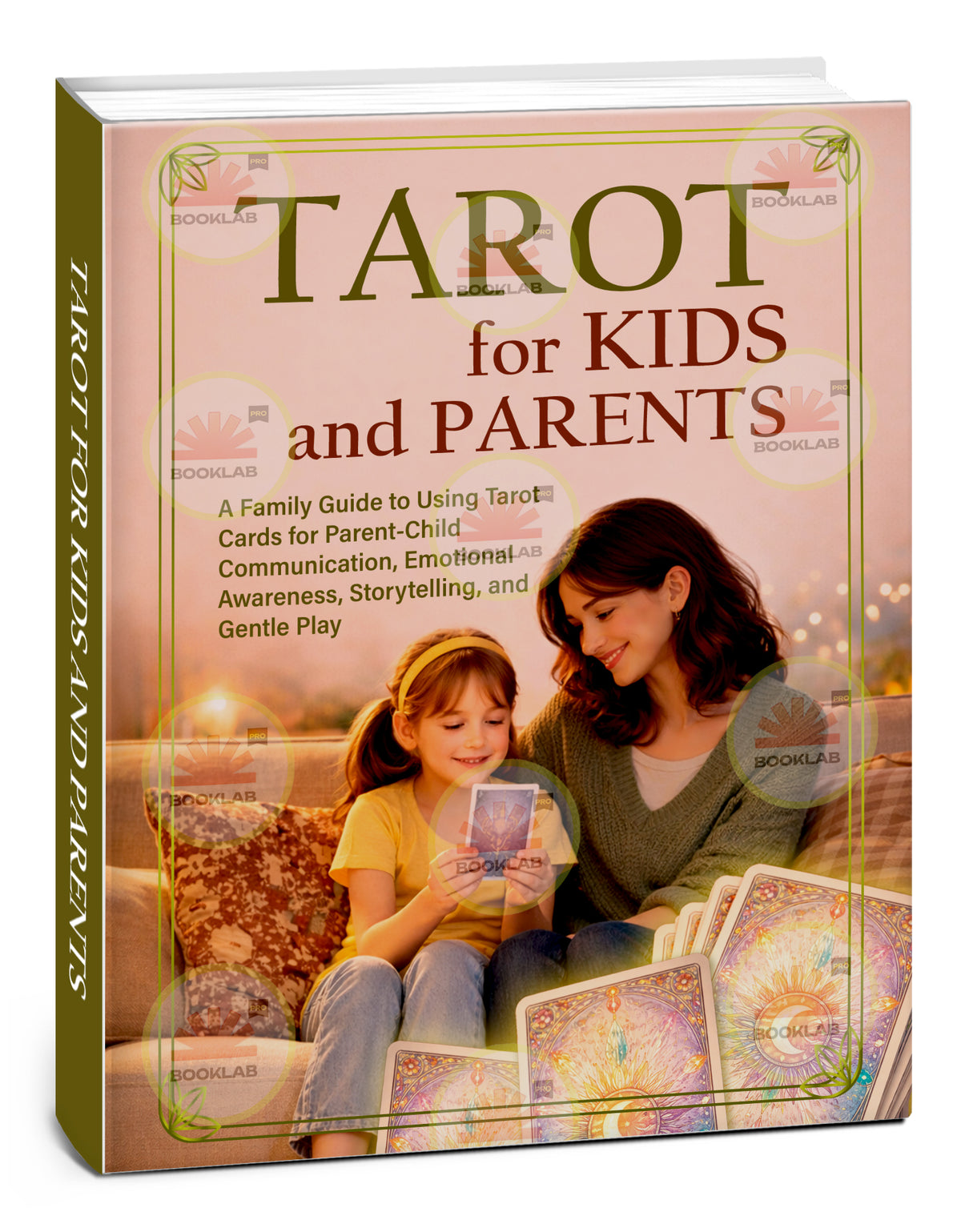
Tarot for Kids and Parents
Tarot for Kids and Parents
SKU:16105552
- Ready to publish on Amazon KDP
- Human-Written Manuscript
Couldn't load pickup availability
Premium Publishing Asset for Amazon Sellers: Tarot for Kids and Parents
A Family Guide to Using Tarot Cards for Parent-Child Communication, Emotional Awareness, Storytelling, and Gentle Play
A fully developed, professionally written nonfiction book created for Amazon sellers who want to enter the growing family mindfulness, emotional intelligence, and conscious parenting niche — without spending months developing original content from scratch.
This is not a concept, workbook outline, or experimental draft. It is a complete, publication-ready manuscript designed for modern families seeking meaningful ways to communicate with children through play, images, and storytelling — without fortune-telling, fear, or esoteric complexity.
⭐ What’s Included
- ✔️ ~121 pages of publication-ready content
- ✔️ Fully edited, warm, parent-friendly nonfiction writing
- ✔️ Clear chapter structure, making learning easy
- ✔️ Guidance, using tarot as a means of communication and emotional expression, not as a medium
- ✔️ Examples and activities for children
- ✔️ Storytelling, reflective questions, and creative activities
- ✔️ The language of flattery, precision, and sensitivity throughout the book
- ✔️ Available in Kindle and Paperback
- ✔️ 100% original manuscript, plagiarism check
📈 Why This Is a Valuable Asset to Publish
Parenting, emotional understanding, and mindful family activities are ongoing and highly engaging categories on Amazon. This book addresses this need by providing a unique approach: the use of tarot symbols as a visual language, a tool for storytelling and imagination.
🎯 Very Good For
- Amazon KDP publishers in family or emotional psychology niches
- Sellers focused on parenting or innovation needs
- Family publishers or coaching brands
- Entrepreneurs providing interactive content
🌱 Why This Book Is Gonna Be Famous
- Explicit communication: communication and dialogue, not ignorance
- A safe, supportive, and comfortable environment for parents
- Child-centered approach
- Balance between family, mental health, and the ability to communicate with parents
- Ready for use
It's a complete, market-ready project, designed to meet Amazon standards and real families' expectations.
📘 Add this asset to your publishing portfolio and provide families with a valuable tool for strengthening relationships, creativity, and emotional development.
- Number of pages: 121
- Trim Size Paperback: 8,5*11
- Trim Size Hardcover: 8,25*11
Share

What's Included
-
Manuscript PDF
Complete manuscript in PDF format
-
eBook Format
Ready-to-publish electronic book format
-
Plagiarism Report
Detailed plagiarism check report
-
Book Cover
Covers that sell and visuals that grab attention
-
Book Description
Book description for marketing purposes
-
Book Quality Guide
Guide to reviewing book quality before publishing on Amazon KDP
Book Details
Human-Written Content
This manuscript was written by human authors and reviewed by editors. We do not use AI-generated text for the core book content. Each title is created as an original publishing asset for Amazon KDP sellers who want ready-to-use, professional-quality content.
Outline Overview
TABLE OF CONTENTS
Introduction
- Why This Book Exists & How to Use It
- Benefits for the Family: A Note for Parents
- Quick Reference to the Cards
Chapter 1: What Is Family Tarot
- A Brief History & Why Images Work Better with Children Than Direct Questions
- The Difference Between Classical Fortune-Telling and Family Use
- Choosing the Right Deck for Children: Practical Tips
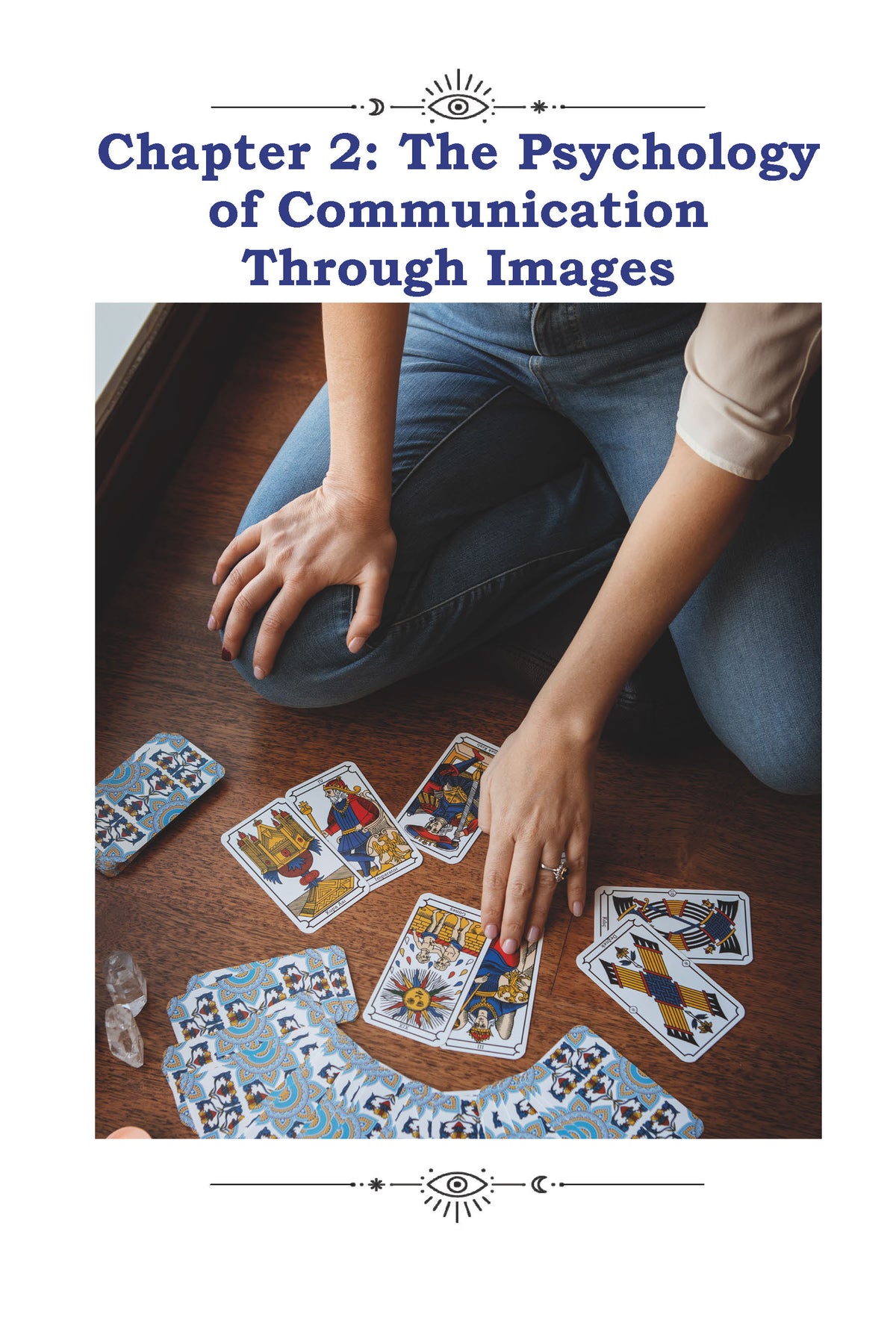
Chapter 2: The Psychology of Communication Through Images
- Active Listening: Guidelines for Parents
- Meaning of Cards for Children: Key Questions to Spark Dialogue
- Using Cards to Talk About Fears, Joy, Friendship, and Loneliness
- Exercises Adapted for Different Age Groups
Chapter 3: Playful Practices with the Cards
- Spreads for Kids: Simple layouts for exploring mood, wishes, and friendship.
- Creative Expression: "Once Upon a Card" storytelling and using drawing as a tool for self-discovery.
- The Mystery Card Technique: Encouraging curiosity and imagination.
Chapter 4: Resolving Conflicts Through Cards
- How Cards "Defuse" Family Tensions When Words Fail.
- Method: “Let’s Act It Out” — Using images for Nonviolent Communication (NVC).
- Family Games specifically designed for conflict resolution.
Chapter 5: Developing Emotional Intelligence
- Core Principles of Emotional Work Through Visuals.
- Developing Empathy: Specific cards and spreads that help children understand others' feelings.
- Games to build emotional literacy.
Chapter 6: Creating Your Own Family Tarot Tradition
- Keeping a Family Card Journal.
- DIY Project: Creating a custom Family Deck.
- Using cards as themes for meaningful family time.
Conclusion
- Cards as a Tool for Communication and Trust.
- Principles of Safe Use & Continuing the Practice.
Sample Chapter
Why Images Work Better with Children Than Direct Questions
Working with images through cards is especially valuable because it turns a conversation with a child into a natural game rather than an interrogation. Where a direct question might cause withdrawal or resistance, a picture works gently and unobtrusively. The parent does not need to “pull” answers out—it's enough to show a card and invite the child to describe what they see.
It is important to remember: in Family Tarot there are no right or wrong interpretations. Each child’s perspective reflects their personal experience, and that is the true value of the method. The parent becomes not a judge but a partner in dialogue, able to listen, ask clarifying questions, and share emotions.
1. A Child’s Natural Language Is the Image
From the very earliest age, a child perceives the world primarily through visual impressions and stories. While their verbal skills are still emerging, young children are naturally gifted at engaging with images. For them, pictures serve as the essential “key” to grasping and expressing their emotions.
Visual images instantly translate an inner feeling into a language the child can understand. For example:
- When a child sees a card showing a joyful figure, they might say, “She looks happy!”—and instantly remember their own joy.
- Looking at a card with a frightened figure, they might notice: “He is scared!”—and then add: “I was scared too when I had to go to the doctor.”
- Seeing an angry face, the child might remark: “He is angry, like I was yesterday at my brother.”
2. Releasing the Pressure of Direct Questions
When an adult asks a child, “How do you feel?” the child might retreat. To them, this question can feel like a test. A picture, however, shifts the focus away from the child and onto the character on the card.
- Instead of asking, “Are you angry at me?”, you can show a card and say: “What do you think this boy is feeling? Why?”
- Instead of asking, “Why did you cry at school?”, you might say: “Look at what’s happening in this picture. Has anything like this ever happened to you?”
This invites the child to compare their experience with the story on the card, allowing them to share at their own pace.
3. The Projective Effect
Psychologists call this process projection: the child describes the character on the card, but in reality, they are often speaking about themselves. By shifting the focus onto the image, the child finds a safe way to communicate their own inner world without fear of judgment.
The power of projection lies in this protective distance. By talking “about the hero,” the child can share feelings of sadness, fear, or anger without having to confront them head-on. Over time, this process helps children become more aware of their emotions and more comfortable discussing them openly.
See Inside the Book


