


BookLab
The Complete Smoothie Detox Cookbook for Beginners
The Complete Smoothie Detox Cookbook for Beginners
SKU:17284724
- Ready to publish on Amazon KDP
- Human-Written Manuscript
Couldn't load pickup availability
Premium Publishing Asset for Amazon Sellers: The Complete Smoothie Detox Cookbook for Beginners
A complete, professionally structured smoothie cookbook manuscript — fully written, organized, and ready for publishing preparation.
This asset is designed for Amazon sellers who want to enter the popular smoothie, healthy eating, and everyday wellness niche with a complete cookbook without spending weeks researching recipes, developing meal plans, and organizing nutritional content from scratch.
Featuring 90 smoothie recipes, three structured reset programs, practical ingredient guides, and simple preparation tips, this book provides a valuable publishing asset for sellers looking to expand their KDP catalog with an accessible, beginner-friendly wellness cookbook.
⭐️ What’s Included:
✔️ Complete nonfiction cookbook manuscript featuring 90 smoothie recipes
✔️ Six recipe categories covering green, berry, tropical, vegetable, protein-rich, and superfood smoothies
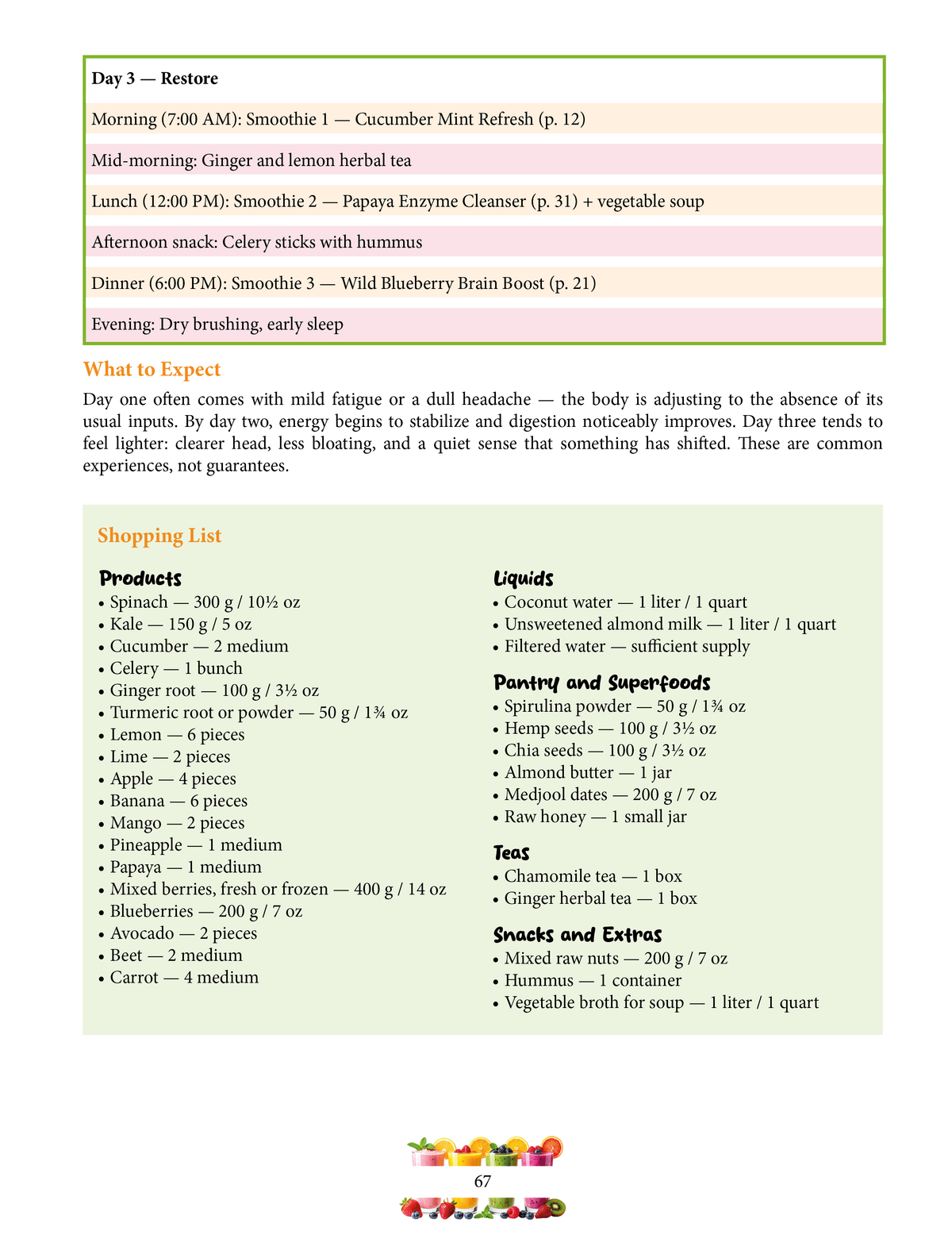
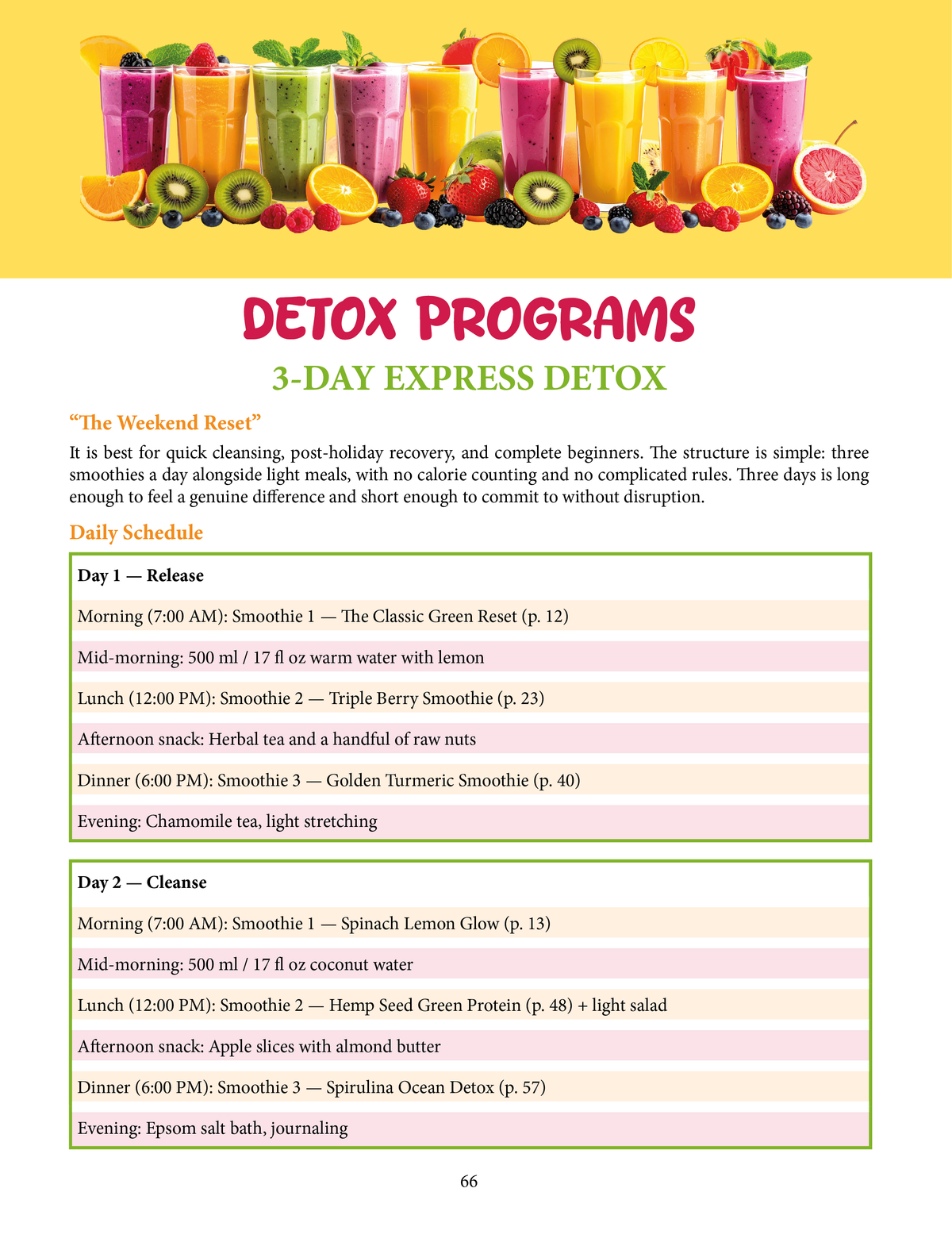
✔️ 3-Day Express Reset Plan for beginners
✔️ 7-Day Core Reset Plan for a structured weekly routine
✔️ 21-Day Reset Plan for developing consistent smoothie habits
✔️ Shopping lists to simplify ingredient planning and grocery preparation
✔️ Beginner-friendly guidance on smoothie ingredients, equipment, and blending techniques
✔️ Nutritional information for recipes, including estimated calories, protein, fats, carbohydrates, and fiber
✔️ Practical storage, freezer-preparation, and meal-prep tips
✔️ Ingredient guide covering fruits, vegetables, seeds, healthy fats, natural sweeteners, and superfoods
✔️ Guidance on incorporating smoothies into everyday eating habits
✔️ Suitable for Kindle and paperback publishing preparation
📈 Why This Is a Valuable Publishing Asset
You’re getting a complete, professionally organized cookbook manuscript — not simply a collection of smoothie recipes or a basic dietary outline.
This book is built around an established and evergreen niche: smoothies, nutritious beverages, beginner-friendly healthy eating, and everyday wellness.
The manuscript combines practical recipes with structured reset programs, shopping guidance, and useful nutritional information, creating a comprehensive resource for readers interested in introducing more fruits, vegetables, and whole-food ingredients into their daily routines.
Its accessible approach makes the content suitable for beginners, busy individuals, and readers looking for convenient homemade smoothie options.
💼 Ideal For:
• KDP publishers expanding a healthy-eating or cookbook catalog
• Publishing agencies looking for a finished smoothie cookbook asset
• Entrepreneurs selling digital or paperback recipe collections
• Sellers entering the smoothie, detox-themed cookbook, or wellness niche
• Publishers seeking a structured cookbook with recipes and guided plans
• Businesses developing beginner-friendly nutrition and lifestyle publishing products
🚀 What Makes This Book Special:
• Includes 90 smoothie recipes across six distinct categories
• Features three reset programs: 3-day, 7-day, and 21-day
• Combines recipes, shopping lists, and practical preparation guidance
• Covers refreshing fruit blends, vegetable smoothies, protein-rich options, and superfood combinations
• Provides nutritional estimates for convenient recipe comparison
• Features simple instructions designed for everyday home preparation
• Includes equipment recommendations and ingredient-storage advice
• Encourages balanced eating habits without extreme dietary restrictions
• Offers a beginner-friendly structure with practical everyday applications
• Focuses on accessible ingredients, appealing flavors, and convenient preparation
This is a complete publishing asset designed for sellers who want to expand their Amazon KDP catalog in the smoothie, healthy eating, and wellness cookbook niche.
With 90 recipes, three structured reset plans, shopping lists, nutritional information, and practical beginner guidance already included, The Complete Smoothie Detox Cookbook for Beginners provides a strong foundation for developing a professional, reader-friendly cookbook product.
- Number of pages: 76
- Trim Size Paperback: 8,5*11
- Trim Size Hardcover: 8,25*11
Share

What's Included
-
Manuscript PDF
Complete manuscript in PDF format
-
eBook Format
Ready-to-publish electronic book format
-
Plagiarism Report
Detailed plagiarism check report
-
Book Cover
Covers that sell and visuals that grab attention
-
Book Description
Book description for marketing purposes
-
Book Quality Guide
Guide to reviewing book quality before publishing on Amazon KDP
Book Details
Human-Written Content
This manuscript was written by human authors and reviewed by editors. We do not use AI-generated text for the core book content. Each title is created as an original publishing asset for Amazon KDP sellers who want ready-to-use, professional-quality content.
Outline Overview
Table of Contents
Introduction
- Welcome to Smoothie Detox
- Why people use short smoothie-based reset routines
- Why smoothies offer a convenient way to add whole-food ingredients
- How to use the recipes and programs in this book
- Setting realistic expectations for a smoothie reset
- Supporting balanced everyday eating without extreme restriction
Part One — Smoothie Foundations
Chapter 1 — The Science of Detox Smoothies
- How the body’s natural elimination systems work
- The roles of the liver, kidneys, digestive system, lungs, and skin
- How smoothies can support hydration and whole-food intake
- Fiber and digestive regularity
- Key nutrients and their common food sources
- Building balanced smoothies
- Foods and ingredients to limit during a reset
- Important health and safety considerations
Chapter 2 — Essential Equipment and Tools
- High-speed, personal, and immersion blenders
- Choosing the right blender
- Digital kitchen scales and measuring tools
- Strainers, nut milk bags, and storage containers
- Freezer-preparation supplies
- Storing prepared smoothies
- Creating freezer smoothie packs
- Practical meal-prep techniques
Chapter 3 — Pantry and Ingredient Guide
- Fresh fruits and berries
- Leafy greens and vegetables
- Herbs, roots, and spices
- Superfoods and powdered add-ins
- Seeds, nuts, and nut butters
- Protein-rich ingredients
- Water, plant milk, coconut water, tea, kefir, and kombucha
- Natural sweeteners
- Essential pantry staples
- Ingredient substitutions and flavor pairings
Part Two — Smoothie Recipes
Chapter 4 — Green Detox Smoothies
- Spinach, kale, romaine, arugula, and Swiss chard blends
- Cucumber, celery, parsley, mint, and dandelion combinations
- Green smoothies with apple, pear, kiwi, avocado, and zucchini
- Mild options for beginners
- More robust vegetable-forward recipes
Featured recipes include:
- The Classic Green Reset
- Cucumber Mint Refresh
- Spinach Lemon Glow
- Kale and Pear Purifier
- Green Apple Cleanse
- Avocado Green Dream
- Broccoli Sprout Detox
- The Ultimate Green Goddess
Chapter 5 — Berry Antioxidant Smoothies
- Blueberry, strawberry, raspberry, and blackberry blends
- Mixed-berry combinations
- Cranberry, cherry, açai, goji, pomegranate, and elderberry recipes
- Berry blends with beets, matcha, and lavender
Featured recipes include:
- Wild Blueberry Brain Boost
- Triple Berry Smoothie
- Açai Deep Detox Bowl Smoothie
- Goji Berry Blend
- Berry Beet Renewal
- Strawberry Matcha Energizer
- Blueberry Lavender Calm
- The Red Detox Warrior
Chapter 6 — Tropical Energy Smoothies
- Mango, pineapple, papaya, coconut, and passion fruit
- Kiwi, guava, and dragon fruit blends
- Tropical combinations with ginger, turmeric, spirulina, greens, and mint
- Cooling and hydrating smoothie options
Featured recipes include:
- Mango Turmeric Sunrise
- Pineapple Ginger Smoothie
- Papaya Enzyme Cleanser
- Coconut Lime Hydrator
- Tropical Green Machine
- Dragon Fruit Beauty Blend
- Pineapple Mint Cooler
- The Island Detox
Chapter 7 — Root & Vegetable Smoothies
- Beet and carrot smoothies
- Ginger- and turmeric-forward blends
- Sweet potato, pumpkin, fennel, celery root, and parsnip recipes
- Vegetable blends balanced with fruit and citrus
- Concentrated smoothie shots
Featured recipes include:
- Beet Smoothie
- Carrot Ginger Smoothie
- Golden Turmeric Smoothie
- Sweet Potato Smoothie
- Carrot Beet Radiance
- Pumpkin Spice Detox
- Ginger Lemon Detox Shot
- The Root Warrior
Chapter 8 — Protein & Satiety Smoothies
- Hemp, chia, flax, and pumpkin seed blends
- Nut and nut-butter smoothies
- Pea protein and collagen options
- Greek yogurt, tofu, quinoa, oats, and black beans
- More filling smoothies suitable for breakfast or snacks
Featured recipes include:
- Hemp Seed Green Protein
- Almond Butter Banana Boost
- Chocolate Chia Power
- Pea Protein Berry Blend
- Quinoa Breakfast Smoothie
- Oat and Flax Satiety Blend
- Silken Tofu Vanilla Cream
- The Ultimate Detox Meal
Chapter 9 — Superfood Smoothies
- Spirulina, chlorella, matcha, maca, and moringa
- Cacao and wheatgrass
- Ashwagandha, reishi, lion’s mane, and schisandra
- Sea moss and black seed
- Guidance on introducing specialty ingredients gradually
Featured recipes include:
- Spirulina Ocean Detox
- Chlorella Deep Cleanse
- Matcha Zen Energizer
- Maca Harmony
- Cacao Bliss Detox
- Sea Moss Mineral Boost
- Mango Maca Glow
- The Master Detox Elixir
Part Three — Structured Reset Programs
Chapter 10 — 3-Day Express Reset
- Preparing for the three-day program
- Daily smoothie schedule
- Choosing appropriate recipes
- Hydration guidance
- Supporting meals and snacks
- Simple ingredient-planning framework
- Transitioning back to regular meals
Chapter 11 — 7-Day Core Reset
- Seven-day smoothie rotation
- Creating variety across recipe categories
- Daily preparation routine
- Planning ingredients in advance
- Maintaining balanced food intake
- Adapting the program to personal needs
Chapter 12 — 21-Day Transformation
- Three-week smoothie routine
- Rotating green, berry, tropical, vegetable, protein, and superfood recipes
- Developing consistent preparation habits
- Weekly planning and ingredient organization
- Monitoring energy, appetite, and personal response
- Adjusting smoothie frequency
- Moving from a structured program to a sustainable routine
Part Four — After the Reset
Chapter 13 — Reintroduction Protocol
- Gradually returning to a regular eating pattern
- Reintroducing foods in a structured way
- Paying attention to appetite and digestion
- Avoiding an overly restrictive approach
Chapter 14 — Maintenance Smoothie Routine
- Keeping smoothies in the weekly routine
- Using smoothies for breakfast or snacks
- Maintaining variety
- Preparing ingredients in advance
- Building balanced blends without following a strict program
Chapter 15 — Reviewing Your Experience
- Reflecting on energy, appetite, digestion, and routine
- Identifying recipes that worked best
- Recognizing realistic changes
- Deciding how frequently to include smoothies
- Knowing when professional nutritional guidance may be appropriate
Conclusion
- Continuing with practical smoothie habits
- Using the recipes flexibly
- Prioritizing variety and balanced nutrition
- Making preparation simple and sustainable
- Building an everyday wellness routine around accessible whole-food ingredients
Sample Chapter
ESSENTIAL EQUIPMENT AND TOOLS
Blenders
The blender is the only piece of equipment you truly need, and the right one makes a noticeable difference—especially when working with leafy greens, frozen fruit, and seeds.
High-speed blenders like the Vitamix or Blendtec produce the smoothest results. They break down fibrous greens completely, handle ice without effort, and blend seeds and nuts into a uniform texture. They are an investment, but they last for years and perform consistently. If you make smoothies daily, they are worth it.
Personal blenders—NutriBullet being the most common—are compact, easy to clean, and more than capable of handling most recipes in this book. They blend directly into the cup, which cuts down on washing up. A good personal blender performs most smoothie tasks well, except for very thick or heavily fibrous blends.
Immersion blenders are the most affordable option and work reasonably well with softer ingredients such as bananas, mangoes, and yogurt. They struggle with raw greens and frozen ingredients, so they are better suited as a secondary tool than as your primary blender.
When choosing any blender, consider motor wattage, blade quality, jar or cup capacity, and noise level. A motor rated at 700 watts or higher generally provides reliable performance, especially if you plan to blend frozen ingredients regularly.
Additional Tools
None of these tools is essential, but each one can make smoothie preparation more convenient and consistent.
A digital kitchen scale removes guesswork from recipes and is more accurate than volume measurements, particularly for seeds, powders, and nut butters.
A fine-mesh strainer or nut milk bag is useful if you prefer a smoother texture or want to strain larger batches.
Mason jars with lids are ideal for taking smoothies on the go or storing prepared drinks in the refrigerator. They seal well and do not retain odors.
Reusable silicone bags are especially useful for freezer preparation because they are easy to label, stack flat, and use repeatedly.
Storage and Meal-Prep Tips
A freshly made smoothie is best enjoyed immediately. Exposure to air, light, and heat gradually affects its flavor, texture, and freshness. However, most smoothies can be stored in a tightly sealed jar in the refrigerator for up to 24 hours with minimal loss of quality. Shake or stir well before drinking.
For longer preparation, freezing works particularly well. Portion the solid ingredients into individual bags or containers—one pack for each smoothie—and freeze them flat. In the morning, transfer the contents directly to the blender, add your liquid, and blend. The entire process takes only a few minutes and ensures that you always have something ready, even on busy days.
When layering a freezer pack, place leafy greens at the bottom, frozen fruit in the middle, and seeds or powders on top. This helps prevent powders from clumping and makes it easier to transfer everything into the blender cleanly.
Avoid storing prepared smoothies in plastic containers whenever possible. Glass jars and stainless-steel bottles preserve flavor more effectively and do not absorb odors over time.
PANTRY AND INGREDIENT GUIDE
Fresh Produce
Fresh produce forms the foundation of every recipe in this book. Most ingredients are available in any well-stocked supermarket, and many are interchangeable depending on the season or what you already have at home.
Leafy greens are the backbone of many smoothie recipes. Spinach, kale, romaine, arugula, chard, parsley, cilantro, and mint all work well. Spinach has the most neutral flavor and is the easiest choice for beginners. Kale is more robust and slightly bitter, so it pairs especially well with sweeter fruit. Fresh herbs such as parsley and mint add brightness and blend smoothly when their leaves are young and tender.
Fruits provide natural sweetness, body, and flavor. Bananas add creaminess and help bind everything together. Mangoes, pineapples, and peaches offer tropical sweetness that balances stronger greens. Apples and pears create a clean, light flavor without overpowering the other ingredients.
Berries—including blueberries, strawberries, raspberries, and blackberries—appear throughout the book because of their vibrant flavor and color. Citrus fruits, primarily lemons and limes, provide a bright finishing note that can lift the entire blend.
Vegetables appear more often in smoothie recipes than many beginners expect. Cucumbers add water content and a fresh, clean flavor. Celery is mild and refreshing. Beets, carrots, and sweet potatoes provide earthiness and natural sweetness. Avocados create a thick, creamy texture and add satisfying richness. Ginger and turmeric are used in small amounts as distinctive flavor accents.
Superfoods and Add-Ins
These optional ingredients can add variety, texture, flavor, and nutritional value to a smoothie when used in appropriate amounts.
Powders are among the most convenient add-ins. Spirulina and chlorella are intensely green and have strong flavors, so they work best in small amounts paired with sweeter fruit. Matcha contributes gentle bitterness and contains naturally occurring caffeine. Cacao powder creates a deep chocolate flavor without requiring added sugar. Maca has a malty, slightly earthy taste, while moringa and wheatgrass can be incorporated into many green blends.
Seeds are easy to blend and contribute texture, fat, and fiber. Chia seeds and ground flaxseeds absorb liquid and create a thicker consistency. Hemp seeds have a mild, slightly nutty flavor and blend almost invisibly. Pumpkin seeds work best when thoroughly blended rather than added whole.
Nuts and nut butters—primarily almond butter, cashews, and walnuts—add richness and satisfying weight to protein-focused smoothies. Even one tablespoon of almond butter can noticeably change the flavor and texture of a blend.
Adaptogenic powders such as ashwagandha, reishi, and lion’s mane have mild, earthy flavors and can be added to many recipes. Begin with small amounts and follow the instructions provided with the product. Consult a qualified healthcare professional before using these ingredients if you are pregnant, breastfeeding, taking medication, or managing a health condition.
Liquids
The liquid base determines the smoothie’s consistency and contributes its own flavor.
Filtered water is the most neutral option and allows the other ingredients to remain prominent. It keeps the flavor clean and the texture light.
Coconut water adds natural sweetness and a gentle tropical flavor. It is a good option when you want something more distinctive than plain water without the richness of plant milk.
Unsweetened plant milks—including almond, oat, coconut, and cashew milk—add creaminess and subtle flavor. Oat milk provides the most body, almond milk offers a relatively neutral base, and coconut milk creates the richest texture.
Cooled herbal teas are an underused but excellent liquid base. Brewed and chilled ginger tea adds warmth and spice, peppermint tea provides freshness, and dandelion tea contributes a mild bitterness that works particularly well in green blends.
Coconut kefir and kombucha add a light tang that pairs especially well with berry and tropical recipes.
Begin with a smaller amount of liquid and add more gradually while blending. This makes it easier to reach your preferred consistency without accidentally making the smoothie too thin.
See Inside the Book


