


BookLab
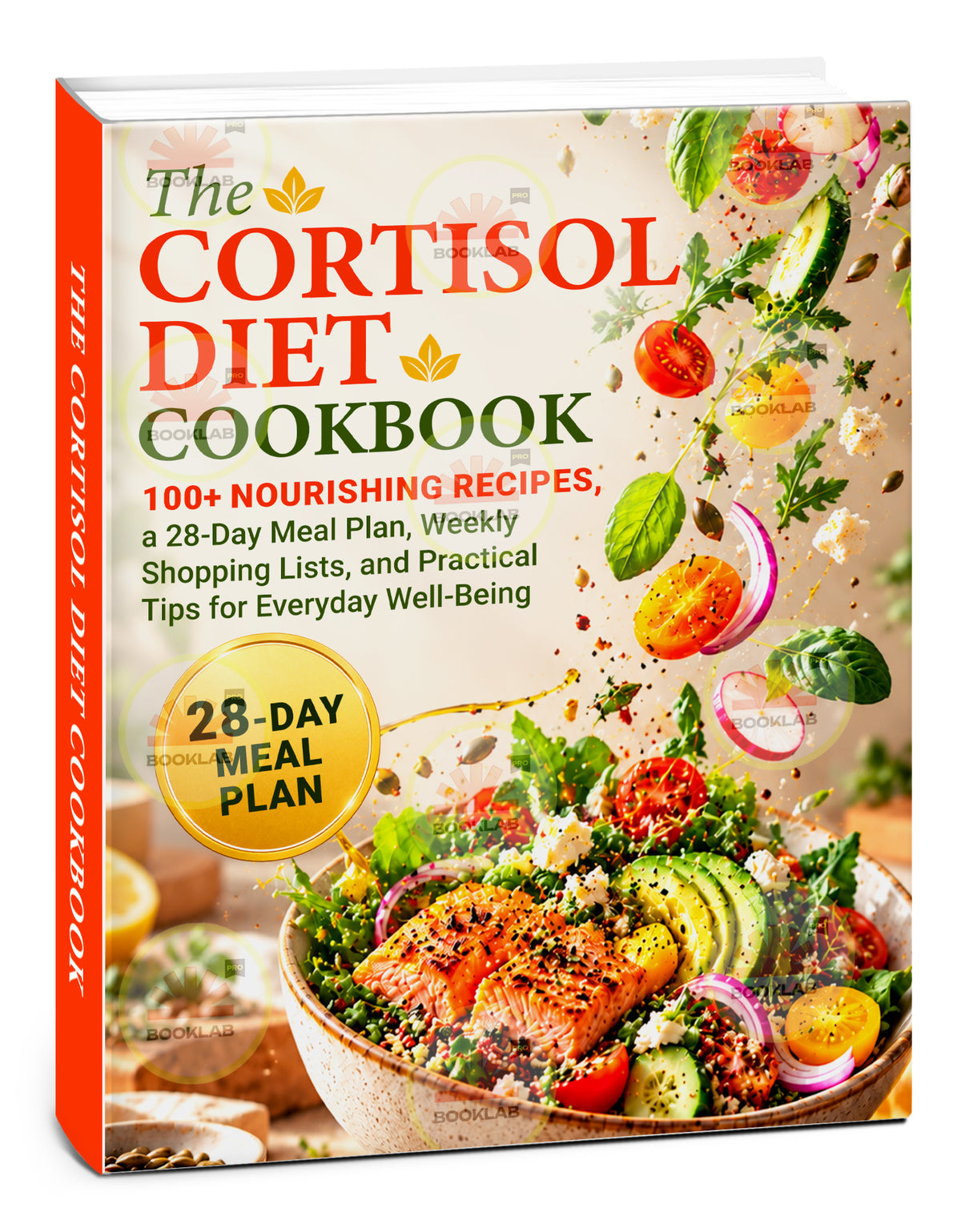
The Cortisol Diet Cookbook
The Cortisol Diet Cookbook
SKU:16848924
- Ready to publish on Amazon KDP
- Human-Written Manuscript
Couldn't load pickup availability
Premium Publishing Asset for Amazon Sellers: The Cortisol Diet Cookbook
A complete, professionally structured 94-page cookbook manuscript featuring 100+ nourishing recipes, a 28-day meal plan, weekly shopping lists, nutritional information, allergen details, and practical guidance on balanced eating and everyday well-being — fully written, organized, and ready for publishing preparation.
This publishing asset is designed for Amazon sellers entering or expanding within the cortisol diet, stress-conscious nutrition, balanced eating, wellness cookbook, and practical meal-planning niches.
Created for readers interested in mindful food choices and manageable daily routines, the manuscript combines accessible educational content with flavorful recipes, structured meal planning, and practical lifestyle guidance.
⭐️ What’s Included:
✔️ Complete 94-page cookbook manuscript focused on nourishing meals and cortisol-conscious eating
✔️ 100+ recipes organized into eight practical categories
✔️ Breakfasts, lunches, dinners, soups, stews, snacks, smoothies, drinks, vegetable sides, and desserts
✔️ Five educational chapters covering cortisol rhythms, stress and blood sugar, nervous system nutrition, food choices, and balanced-plate planning
✔️ Accessible explanations of cortisol’s natural daily cycle and its relationship with everyday lifestyle habits
✔️ Practical nutritional guidance covering protein, fiber, healthy fats, complex carbohydrates, vitamins, and minerals
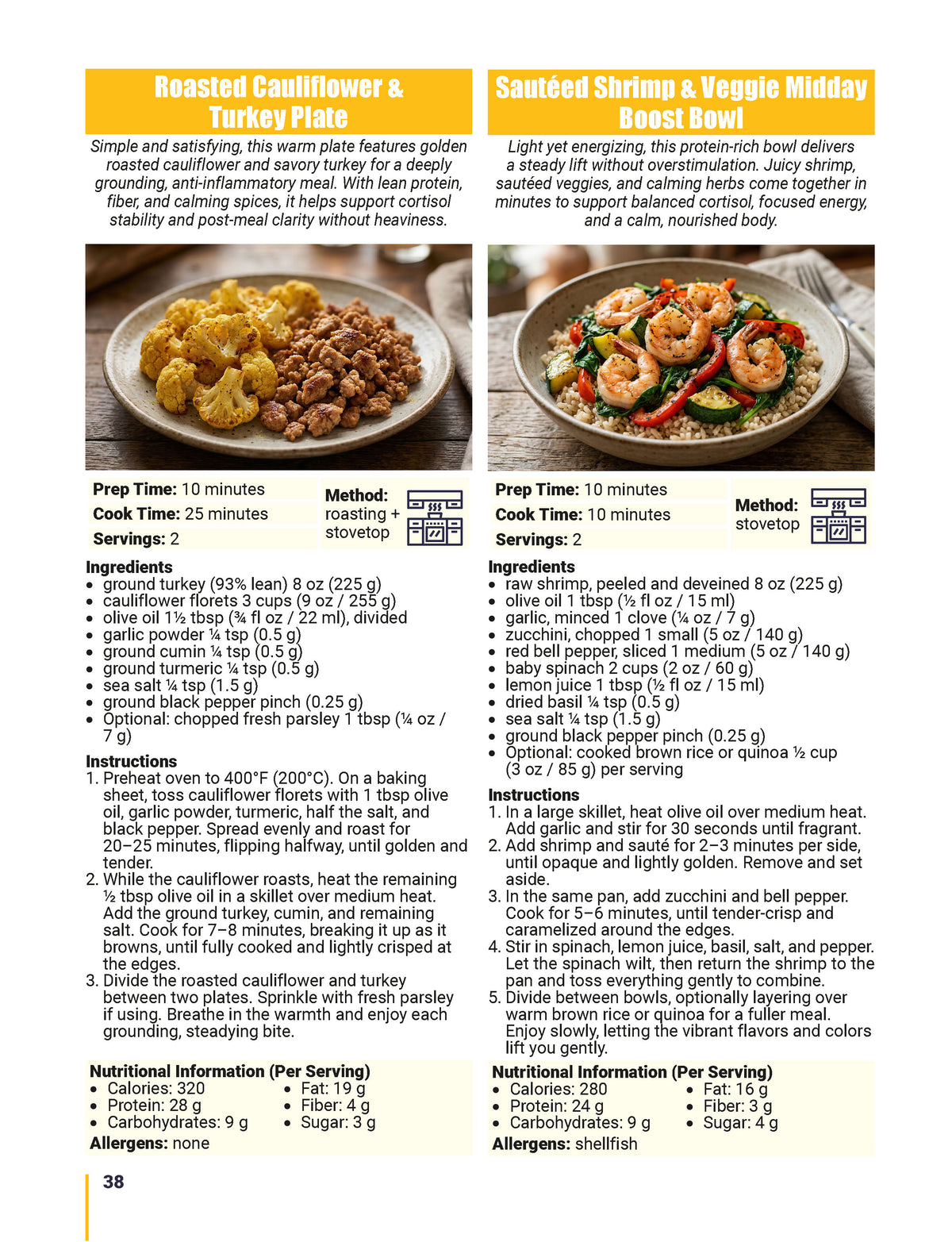
✔️ Clear step-by-step cooking instructions with preparation times, cooking times, and serving information
✔️ Ingredient measurements provided in US and metric units
✔️ Nutritional information per serving, including calories, protein, carbohydrates, fat, fiber, and sugar
✔️ Allergen information included with individual recipes
✔️ Complete 28-day meal plan covering four weeks of organized meal ideas
✔️ Weekly shopping lists supporting grocery planning and meal preparation
✔️ Practical guidance on creating balanced meals with everyday ingredients
✔️ Additional lifestyle chapters covering sleep routines, stress management, hydration, electrolyte balance, and long-term eating habits
✔️ Recipes featuring vegetables, whole grains, lean proteins, legumes, fruits, nuts, seeds, and other accessible ingredients
✔️ Suitable for Kindle and paperback publishing preparation
📈 Why This Is a Valuable Publishing Asset
You’re getting a complete, professionally organized cookbook manuscript — not a basic recipe collection or a short overview of cortisol-related nutrition.
The cortisol diet and everyday wellness cooking niche connects several reader interests: balanced nutrition, mindful eating, meal preparation, stress-conscious lifestyle habits, and practical self-care.
Readers exploring these topics often seek approachable recipes alongside explanations of nutritional balance, regular meal routines, and ways to make everyday food preparation more manageable.
This manuscript addresses these interests through a structured combination of introductory education, practical recipes, and organized planning resources.
Its eight recipe categories provide variety for different meals and occasions, including warm breakfasts, colorful lunches, comforting dinners, nourishing soups, convenient snacks, refreshing drinks, and homemade desserts.
The included 28-day meal plan and weekly shopping lists extend the manuscript beyond individual recipes, offering useful tools for meal organization and grocery planning.
Additional chapters discussing hydration, sleep, and everyday wellness habits provide broader educational context without positioning the cookbook as medical treatment.
💼 Ideal For:
• KDP publishers expanding their wellness and specialty cookbook catalogs
• Publishing agencies seeking a complete, professionally structured culinary manuscript
• Entrepreneurs developing Kindle, paperback, or digital cookbook products
• Sellers exploring the cortisol diet, balanced nutrition, or mindful eating niches
• Publishers targeting beginner home cooks and wellness-conscious readers
• Amazon sellers seeking recipe collections supported by meal plans and lifestyle guidance
🚀 What Makes This Book Special:
• Combines 100+ recipes with accessible nutritional education
• Features eight recipe categories covering everyday meals, snacks, and desserts
• Includes a complete 28-day meal plan and weekly shopping lists
• Explores cortisol rhythms and their relationship with nutrition and daily routines
• Provides practical balanced-plate guidance using common ingredients
• Includes detailed nutritional information and recipe-specific allergen details
• Offers both US and metric ingredient measurements
• Features comforting soups, grain bowls, protein-rich meals, and refreshing smoothies
• Addresses hydration, sleep routines, and mindful lifestyle habits
• Emphasizes practical meal preparation rather than restrictive food rules
• Uses an educational approach without promising cortisol reduction, hormonal correction, or medical outcomes
This is a complete publishing asset designed for Amazon sellers seeking a practical, content-rich manuscript in the cortisol diet, balanced eating, and everyday wellness cookbook niches.
With its 100+ recipes, educational nutrition chapters, structured 28-day meal plan, weekly shopping lists, nutritional information, allergen details, and practical lifestyle guidance, The Cortisol Diet Cookbook provides a strong foundation for developing a professional Amazon KDP cookbook that combines nourishing everyday meals with accessible wellness education.
- Number of pages: 94
- Trim Size Paperback: 8,5*11
- Trim Size Hardcover: 8,25*11
Share
What's Included
-
Manuscript PDF
Complete manuscript in PDF format
-
eBook Format
Ready-to-publish electronic book format
-
Plagiarism Report
Detailed plagiarism check report
-
Book Cover
Covers that sell and visuals that grab attention
-
Book Description
Book description for marketing purposes
-
Book Quality Guide
Guide to reviewing book quality before publishing on Amazon KDP
Book Details
Human-Written Content
This manuscript was written by human authors and reviewed by editors. We do not use AI-generated text for the core book content. Each title is created as an original publishing asset for Amazon KDP sellers who want ready-to-use, professional-quality content.
Outline Overview
Table of Contents
Introduction: Understanding Cortisol-Conscious Eating
- Understanding cortisol’s natural daily rhythm
- Exploring the connection between stress and eating habits
- Supporting steady energy through balanced meals
- Combining protein, fiber, fats, and complex carbohydrates
- Choosing practical everyday ingredients
- Planning regular meals and snacks
- Understanding nutritional and allergen information
- Using the recipes and 28-day meal plan
- Adapting the approach to personal needs
Part I: The Science of Calm Eating
Chapter 1: The Cortisol Cycle
An accessible explanation of cortisol’s daily rhythm and its relationship with sleep, energy, appetite, and everyday habits.
Chapter 2: The Stress–Blood Sugar–Hormone Connection
Guidance on meal timing, balanced food combinations, and maintaining steadier energy throughout the day.
Chapter 3: Nervous System Nutrition
An introduction to protein, fiber, healthy fats, complex carbohydrates, vitamins, and minerals.
Chapter 4: Foods That Calm vs. Foods That Agitate
Practical information about whole foods, caffeine, added sugars, highly processed products, and individual food responses.
Chapter 5: Building a Cortisol-Friendly Plate
Simple formulas for combining protein, vegetables, carbohydrates, fats, and flavorful additions.
Part II: The Recipes
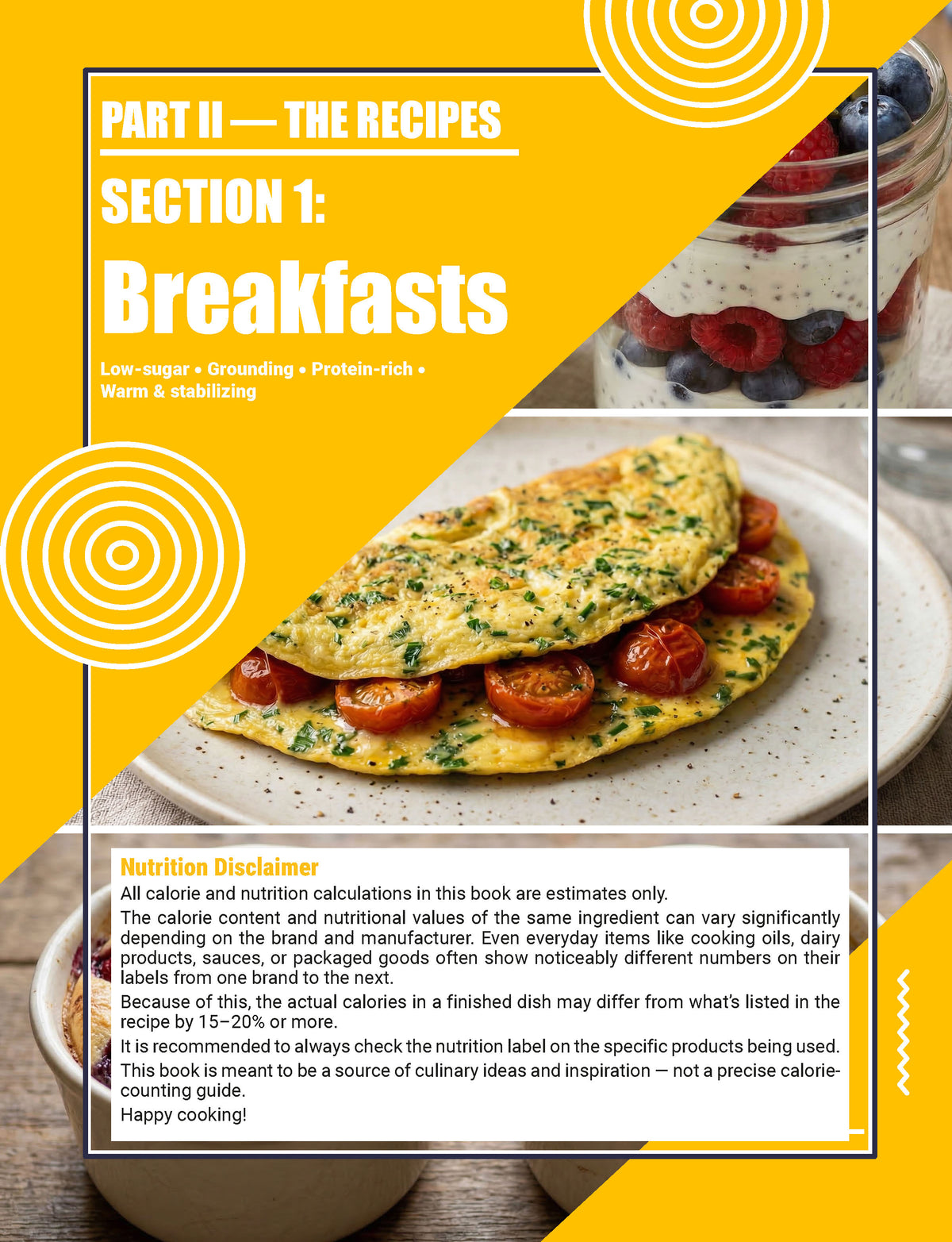
Section 1: Breakfasts
Balanced morning recipes featuring oats, eggs, yogurt, fruit, vegetables, seeds, and whole grains.
Recipes include:
- Warm Cinnamon Protein Oats with Almond Swirl
- Savory Spinach & Mushroom Egg Skillet
- Gentle Morning Sweet Potato Hash with Eggs
- Coconut-Chia Tranquility Pudding
- Green Hormone-Balance Smoothie
- Blueberry–Maca Adaptogen Bowl
- Warm Apple–Quinoa Breakfast Bowl
- Turmeric Scrambled Eggs with Zucchini
- Creamy Vanilla Greek Yogurt Parfait
- Soft Banana–Oat Blender Pancakes
- Ginger–Pear Low-Glycemic Breakfast Cup
- Warm Carrot Cake Breakfast Porridge
- Protein-Rich Cottage Cheese Berry Plate
- Pumpkin-Spice Morning Bowl
- Savory Herb Omelet with Cherry Tomatoes
- Lemon–Blueberry Anti-Inflammatory Smoothie
- Warm Tahini–Oatmeal Comfort Bowl
- Mushroom & Kale Breakfast Sauté
- Berry–Almond Oven-Baked Breakfast Custard
- Soft Polenta Breakfast Bowl with Poached Egg
Section 2: Lunches
Colorful midday meals combining vegetables, grains, legumes, lean proteins, and balanced fats.
Recipes include:
- Lemon-Herb Chicken Nourish Bowl
- Quinoa & Roasted Vegetable Power Plate
- Calm Digestion Salmon Greens Salad
- Turmeric Chicken & Broccoli Plate
- Mediterranean Chickpea–Veggie Harmony Bowl
- Warm Sweet Potato & Tuna Protein Plate
- Ginger–Sesame Turkey Lettuce Wraps
- Roasted Veggie–Hummus Lunch Platter
- Spinach–Feta Protein Wrap
- Lentil–Arugula Blood Sugar Balance Bowl
- Warm Barley–Vegetable Fiber Plate
- Apple–Chicken Harvest Bowl
- Red Cabbage & Wild Rice Anti-Stress Plate
- Carrot–Ginger Chicken Lunch Plate
- Avocado–Egg Hormone Harmony Bowl
- Baked Tofu & Quinoa Veggie Bowl
- Warm Wild Mushroom & Farro Lunch Bowl
- Basil–Tomato Chicken Protein Salad
- Roasted Cauliflower & Turkey Plate
- Sautéed Shrimp & Veggie Midday Boost Bowl
Section 3: Dinners
Comforting evening meals featuring poultry, seafood, legumes, vegetables, grains, and gentle seasonings.
Recipes include:
- One-Pot Turmeric Chicken Stew
- Butternut Squash Comfort Bowl with Tofu
- Cozy Ginger–Lentil Comfort Bowl
- Soft Roasted Vegetables with Herb-Rubbed Chicken
- Creamy Coconut–Lime Salmon with Greens
- Warm Cauliflower–Chickpea Evening Bowl
- Slow-Baked Lemon Garlic Cod
- Ground Turkey & Zucchini Gentle Skillet
- Carrot–Cumin Calming Dinner Plate
- Soft Sweet Potato & Salmon Evening Plate
- Warm Eggplant–Tomato Stew with Chicken
- Rosemary–Garlic Turkey Meatballs with Mash
- Spinach & Mushroom Creamy Polenta Bowl
- Warm Ginger Chicken & Rice Evening Plate
- Honey-Lime Shrimp
- Lemon–Herb White Bean Soft Dinner Bowl
- Roasted Carrot & Chicken Sheet Pan Meal
- Cozy Mushroom–Barley Evening Stew
- Gentle Coconut–Turmeric Chicken Bake
- Slow-Roasted Vegetable & Cod Dinner Plate
Section 4: Soups and Stews
Warm recipes featuring vegetables, lentils, grains, chicken, and aromatic spices.
Recipes include:
- Golden Immune-Boosting Soup
- Slow-Simmered Vegetable Broth
- Restorative Red Lentil Stew
- Warm Broccoli–Leek Purée
- Creamy Carrot–Ginger Healing Soup
- Gentle Chicken & Rice Soothing Soup
- Ultra-Soothing Cauliflower–Garlic Soup
- Anti-Inflammatory Turmeric Veggie Soup
- Soft Sweet Potato & Coconut Stew
- Mushroom–Quinoa Gut-Calm Soup
Section 5: Snacks and Small Bites
Convenient sweet and savory options combining protein, fiber, fruit, vegetables, nuts, and seeds.
Recipes include:
- Crunchy Seed & Nut Balance Mix
- Yogurt Bowl with Berries & Cinnamon
- Apple–Almond Gentle Snack Plate
- Hard-Boiled Eggs with Herb Dressing
- Cottage Cheese with Pineapple Tidbits
- Celery Sticks with Almond Butter Drizzle
- Mini Turkey & Avocado Roll-Ups
- Berry–Chia Hormone Support Cup
- Cucumber–Hummus Refresh Bites
- Soft Baked Oat–Protein Squares
Section 6: Smoothies and Drinks
Refreshing and warming beverages featuring fruit, vegetables, herbs, spices, and plant-based ingredients.
Recipes include:
- Matcha Calm Energy Shake
- Beet–Ginger Stress Relief Smoothie
- Blueberry–Spinach Hormone Harmony Blend
- Coconut–Turmeric Evening Tonic
- Mint–Cucumber Hydration Cooler
- Pear–Ginger Smooth Digestion Blend
- Anti-Inflammatory Cherry–Cacao Shake
- Pineapple–Basil Metabolic Calm Smoothie
- Warm Cinnamon Almond Milk Latte
- Lemon–Ginger Morning Metabolic Tonic
Section 7: Vegetable Sides
Simple vegetable and whole-grain accompaniments for building more balanced meals.
Recipes include:
- Roasted Broccoli with Lemon & Olive Oil
- Anti-Stress Mashed Sweet Potatoes
- Turmeric Cauliflower Rice
- Garlic–Herb Green Beans
- Warm Carrot–Zucchini Ribbon Sauté
- Roasted Brussels Sprouts with Balsamic
- Spinach–Mushroom Warm Side
- Soft Ginger–Pumpkin Mash
- Oven-Roasted Rainbow Carrots
- Warm Quinoa–Herb Fiber Boost Side
Section 8: Calm Desserts
Fruit-based and lower-sugar treats featuring oats, nuts, seeds, cocoa, and warming spices.
Recipes include:
- Dark Chocolate Stress-Less Bites
- Warm Stewed Cinnamon Apples
- Soft Baked Pears with Vanilla
- Coconut–Chia Evening Dessert Cup
- Almond Butter Chocolate Mini Squares
- Cinnamon Oatmeal Cookie Bites
- Orange–Ginger Poached Fruit
- Soft Pumpkin Pie Dessert Bowl
- Blueberry–Lemon Soothing Compote
- Warm Banana–Walnut Mug Dessert
Part III: Beyond Food—Everyday Wellness Support
Chapter 1: Sleep and Evening Routines
- Building a consistent sleep schedule
- Creating a calmer evening routine
- Managing late-night eating habits
- Reducing stimulating activities before bed
Chapter 2: Stress and Nervous System Support
- Recognizing everyday stress patterns
- Breathing and relaxation practices
- Mindful eating techniques
- Creating manageable daily routines
Chapter 3: Hydration and Electrolyte Balance
- Maintaining regular hydration
- Recognizing individual fluid needs
- Choosing practical everyday beverages
- Understanding the role of electrolytes
Chapter 4: Living the Cortisol Diet Long-Term
- Building flexible eating habits
- Preparing meals in advance
- Managing restaurants and social events
- Adjusting meals to changing routines
- Avoiding restrictive all-or-nothing thinking
Part IV: 28-Day Meal Plan and Shopping Lists
Chapter 1: 28-Day Meal Plan
- Week 1: Establishing Regular Meals
- Week 2: Creating Balanced Plates
- Week 3: Expanding Recipe Variety
- Week 4: Building a Sustainable Routine
Chapter 2: Weekly Shopping Lists
- Week 1 Shopping List
- Week 2 Shopping List
- Week 3 Shopping List
- Week 4 Shopping List
- Pantry staples
- Ingredient substitutions
- Meal-preparation guidance
Conclusion: Creating Sustainable Everyday Habits
- Continuing balanced meal planning
- Preparing nourishing meals with familiar ingredients
- Supporting consistent sleep and hydration routines
- Practicing flexible, mindful eating
- Adapting recipes to personal preferences
- Maintaining realistic long-term habits
Sample Chapter
Chapter 1 — The Cortisol Cycle
Cortisol is often described as the “stress hormone,” but that definition barely scratches the surface. It is also your awakening hormone, your metabolic regulator, your internal clockkeeper, and one of the most essential chemical messengers guiding how you feel throughout the day. To understand how food can either support or disturb this delicate rhythm, you first need to understand the natural daily cycle of cortisol — a pattern your body relies on for stability, energy, and rest.
Morning Cortisol Peak
Every morning, whether you feel ready or not, your body prepares to face the day. About 30–45 minutes after waking, cortisol reaches its highest point — a surge known as the Cortisol Awakening Response
This peak is not a stress signal. It is your body’s natural way of helping you open your eyes, move your limbs, think clearly, and transition from sleep into alertness.
A healthy morning peak brings:
- sharper mental focus
- a gentle rise in blood sugar
- motivation and natural energy
- better immune function
When this peak is too weak, people often feel sluggish, foggy, or dependent on caffeine.
When it is too high, they may wake wired, anxious, or tense.
How food interacts with the morning peak
Your first meal of the day can either stabilize this natural rise or magnify it in ways that create stress.
Supportive choices:
- protein-rich breakfasts
- healthy fats
- warm meals
- low-sugar foods
Disruptive choices:
- sweet pastries
- sugary coffee drinks
- skipping breakfast
- high-carb meals without protein
When blood sugar spikes too quickly in the morning, cortisol rises even further — often setting the tone for cravings and energy crashes later.
Afternoon Stabilization
After the morning peak, cortisol gradually decreases into the early afternoon. This is the time when your mood, focus, and energy tend to normalize — assuming your blood sugar is stable.
When this part of the cycle is balanced, people feel steady, productive, and clear-headed.
When it is not, they often notice:
- the classic afternoon crash,
- irritability,
- difficulty concentrating,
- a sudden desire for caffeine or sugar.
This mid-day drop is not a problem by itself — it’s natural. The issue is when poorly timed meals or nutrient imbalances magnify it.
How food affects the afternoon dip
Food can either cushion this transition or intensify fatigue.
Supportive midday meals:
- balanced plates with protein, colorful vegetables, and gentle complex carbohydrates
- meals with fiber
- steady hydration
Disruptive patterns:
- skipping lunch
- eating only carbohydrates
- relying on fast snacks or processed foods
- drinking strong afternoon coffee in place of a meal
A well-structured lunch helps your body ride the afternoon curve gracefully, reducing cravings and supporting the next stage of the cycle.
Evening Wind-Down
As the day moves toward evening, cortisol should continue to decline. This lowering is essential for the calming cascade that prepares the body for rest, digestion, and sleep.
When this downward curve is healthy, most people experience:
- relaxation
- a lighter mood
- improved digestion
- easier sleep onset
When the evening cortisol curve remains too high — often due to stress, overeating, late meals, or stimulants — the body remains in an alert state.
This leads to:
- restlessness
- racing thoughts
- nighttime hunger
- insomnia
- shallow sleep
How evening meals influence the wind-down
Food plays a surprisingly large role in whether cortisol can fully settle.
Supportive evening meals:
- warm, soft, soothing dishes
- moderate protein
- easily digestible vegetables
- meals eaten earlier in the evening
- calming herbs like ginger, turmeric, or basil
Disruptive choices:
- heavy, rich meals
- late-night eating
- sugary desserts
- alcohol
- excessive caffeine earlier in the day
The right dinner opens the door for a restorative night.
The wrong dinner keeps the stress cycle active long after the day is over.
See Inside the Book


