


BookLab
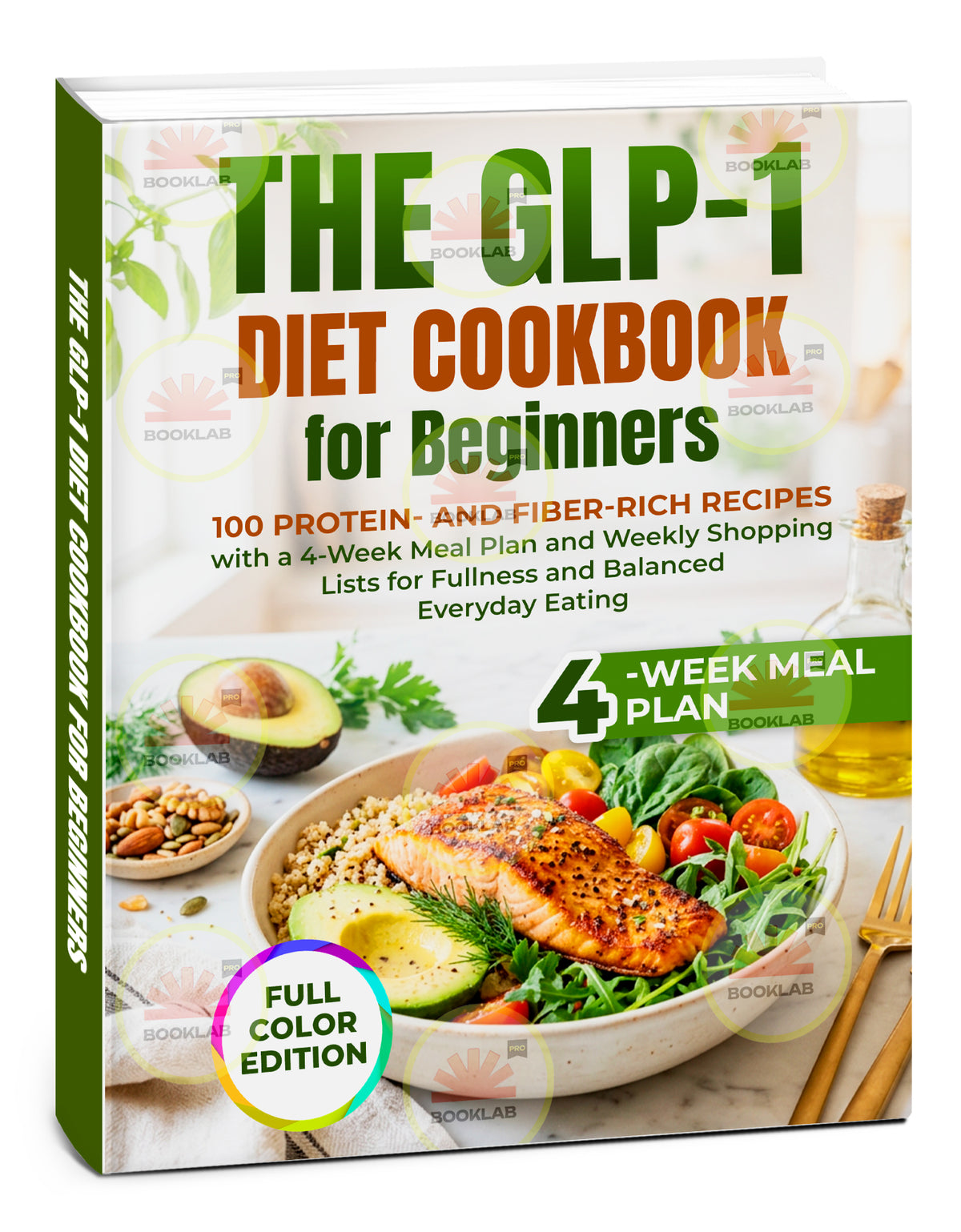
The GLP-1 Diet Cookbook for Beginners
The GLP-1 Diet Cookbook for Beginners
SKU:17537216
- Ready to publish on Amazon KDP
- Human-Written Manuscript
Couldn't load pickup availability
Premium Publishing Asset for Amazon Sellers: The GLP-1 Diet Cookbook for Beginners
A professionally structured, 86-page cookbook manuscript featuring 100 protein- and fiber-rich recipes, practical nutritional guidance, a 4-week meal plan, weekly shopping lists, and helpful GLP-1-focused cooking tips — ready for publishing preparation.
This publishing asset is designed for Amazon sellers who want to expand their KDP catalog within the GLP-1 diet, balanced nutrition, high-protein cooking, and everyday wellness niches without spending weeks developing recipes, organizing nutritional information, and creating meal-planning resources.
Created for beginners interested in GLP-1-friendly eating, this cookbook focuses on accessible ingredients, straightforward cooking methods, and practical ways to include protein, fiber, and nutritional variety in everyday meals.
Combining beginner-friendly explanations, flavorful recipes, and organized planning resources, the manuscript provides a foundation for a consumer-focused cookbook centered on fullness, balanced eating, and sustainable everyday food choices.
⭐️ What’s Included:
✔️ Complete 86-page manuscript featuring 100 protein- and fiber-rich recipes
✔️ Recipes organized into 9 practical categories: breakfasts, soups, poultry and fish dishes, plant-based meals, salads, snacks, sides, sauces, and low-sugar desserts
✔️ A beginner-friendly introduction to GLP-1, appetite regulation, and feelings of fullness
✔️ Protein-focused recipes featuring eggs, Greek yogurt, cottage cheese, chicken, fish, tofu, and lentils
✔️ Fiber-rich meals incorporating vegetables, legumes, whole grains, seeds, and fruit
✔️ Practical guidance on meal composition, portion sizes, hydration, and balanced eating
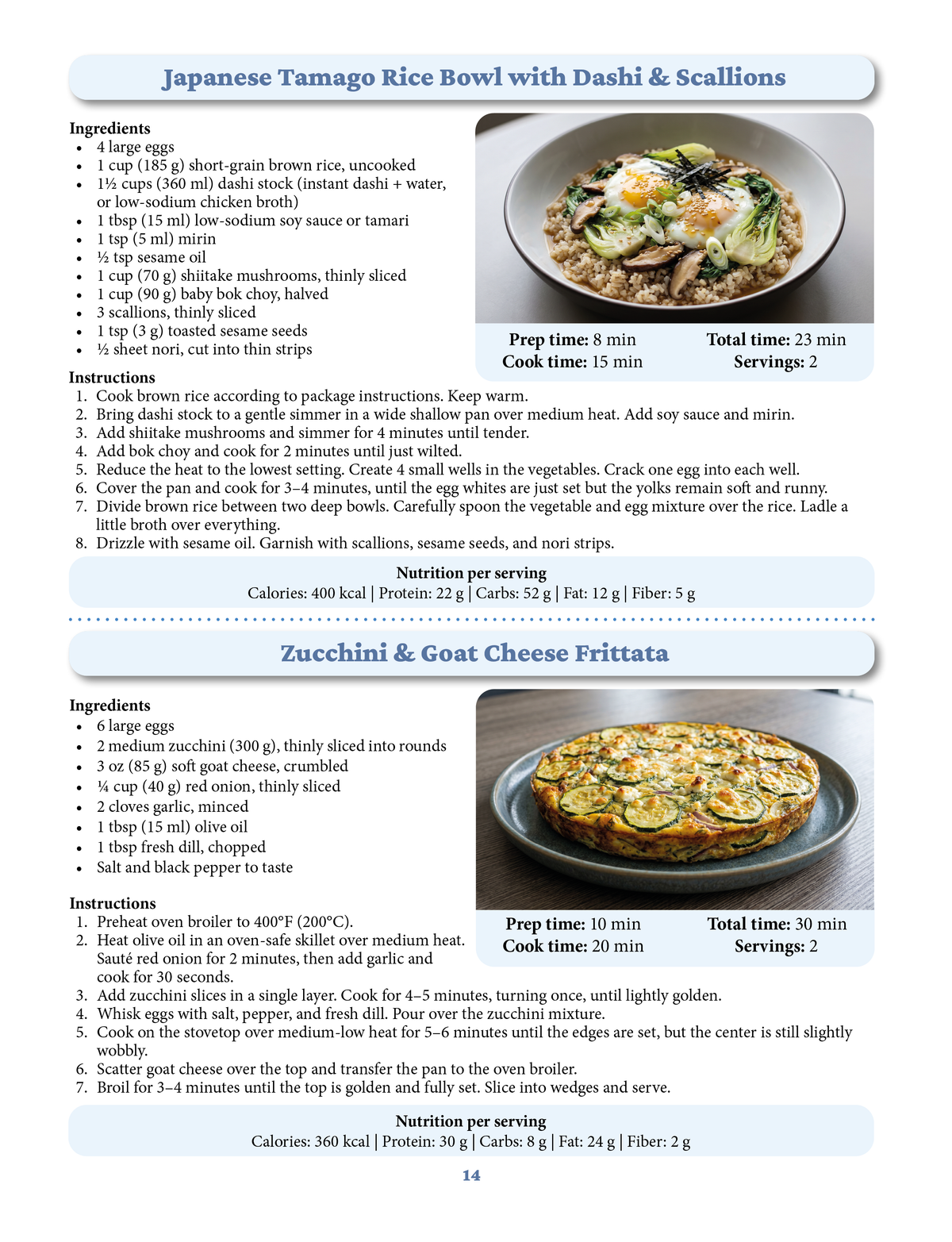
✔️ Recipes with ingredient quantities, preparation times, cooking instructions, and serving information
✔️ Estimated nutritional information per serving, including calories, protein, carbohydrates, fat, and fiber
✔️ Dedicated GLP-1 Tips highlighting the nutritional characteristics of individual recipes
✔️ Structured 4-week meal plan with breakfasts, lunches, dinners, snacks, and hydration reminders
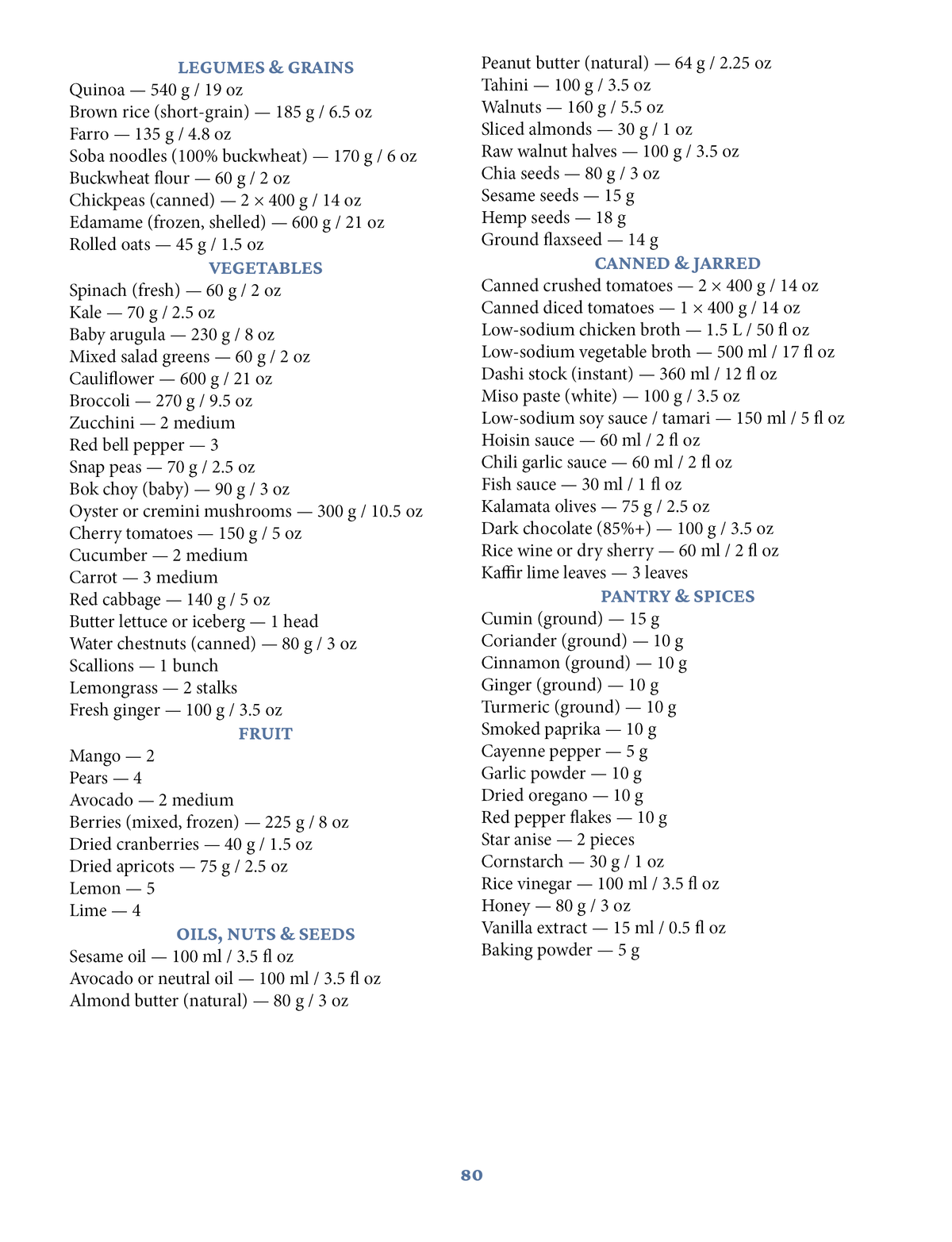
✔️ Weekly shopping lists organized by grocery category
✔️ Quick breakfasts, comforting soups, one-pan dinners, smoothies, and simple desserts
✔️ Suitable for Kindle and paperback publishing preparation
📈 Why This Is a Valuable Publishing Asset
You’re getting a complete, professionally structured cookbook manuscript — not a basic outline or collection of disconnected meal ideas.
The asset combines practical meal preparation with an emphasis on protein, fiber, and balanced nutrition. It is designed for readers who want accessible recipes and organized meal-planning tools without complicated cooking techniques or overly restrictive rules.
Unlike general-purpose cookbooks, The GLP-1 Diet Cookbook for Beginners connects everyday cooking with introductory GLP-1 information and practical nutritional guidance.
Its 100 recipes cover everything from protein-focused breakfasts and vegetable-rich soups to poultry, seafood, plant-based meals, snacks, and low-sugar desserts. The addition of estimated nutritional information, individual GLP-1 Tips, a 4-week meal plan, and weekly shopping lists increases its practical value.
💼 Ideal For:
- Amazon KDP publishers expanding their diet and nutrition catalogs
- Sellers entering the GLP-1-friendly eating and balanced nutrition niches
- Publishing agencies seeking a complete beginner-focused manuscript
- Entrepreneurs developing digital or paperback cookbook products
- Publishers interested in high-protein and fiber-rich recipes
- Sellers targeting readers who prefer structured meal plans and practical shopping resources
🚀 What Makes This Book Special:
- 100 recipes across 9 practical categories
- Designed specifically for beginners exploring GLP-1-friendly eating
- Emphasis on protein, fiber, fullness, and nutritional variety
- Combination of animal-based and plant-based protein sources
- Familiar ingredients and approachable cooking techniques
- Estimated nutritional information for every recipe
- Individual GLP-1 Tips
- Complete 4-week meal plan with weekly shopping lists
- Hydration reminders and meal-planning guidance
- Mediterranean-, Asian-, and internationally inspired recipes
- No unrealistic weight-loss promises or medical treatment claims
- Recipes, nutritional education, and planning tools combined in one manuscript
The GLP-1 Diet Cookbook for Beginners is a complete publishing asset for sellers entering the GLP-1 diet, high-protein cooking, and balanced nutrition niches. With 100 recipes, nine organized categories, nutritional information, helpful cooking tips, and a 4-week meal plan with weekly shopping lists, this 86-page manuscript provides a strong foundation for an accessible Amazon KDP publication.
- Number of pages: 86
- Trim Size Paperback: 8,5*11
- Trim Size Hardcover: 8,25*11
Share
What's Included
-
Manuscript PDF
Complete manuscript in PDF format
-
eBook Format
Ready-to-publish electronic book format
-
Plagiarism Report
Detailed plagiarism check report
-
Book Cover
Covers that sell and visuals that grab attention
-
Book Description
Book description for marketing purposes
-
Book Quality Guide
Guide to reviewing book quality before publishing on Amazon KDP
Book Details
Human-Written Content
This manuscript was written by human authors and reviewed by editors. We do not use AI-generated text for the core book content. Each title is created as an original publishing asset for Amazon KDP sellers who want ready-to-use, professional-quality content.
Outline Overview
Table of Contents
Introduction
- Understanding GLP-1 and its role in appetite and fullness
- Building meals around protein, fiber, and nutritional variety
- Choosing accessible everyday ingredients
- Practical guidance on portions, hydration, and meal composition
- Using the recipes, nutritional information, and GLP-1 Tips
Part 1: High-Protein Breakfasts
- Eggs, Greek yogurt, cottage cheese, and protein-rich grains
- Smoothie bowls, overnight oats, pancakes, and chia pudding
- Savory breakfast bowls, omelets, frittatas, and open-faced sandwiches
- Quick breakfast options with fish, poultry, vegetables, and fruit
Part 2: Soups & Creamy Bowls
- Lentil, bean, chickpea, and vegetable soups
- Chicken broth and protein-rich minestrone
- Creamy blended soups with broccoli, cauliflower, asparagus, and zucchini
- International recipes inspired by Asian, Mediterranean, and Middle Eastern cuisines
Part 3: Poultry & Fish Main Dishes
- Chicken, turkey, salmon, cod, tuna, mackerel, and sea bass
- Sheet-pan, baked, grilled, steamed, and slow-cooked meals
- One-pan dinners, stuffed vegetables, wraps, and grain bowls
- Mediterranean- and Asian-inspired dishes with approachable ingredients
Part 4: Plant-Based Protein Meals
- Lentils, chickpeas, beans, tofu, tempeh, edamame, and quinoa
- Protein bowls, curries, stews, stir-fries, and veggie burgers
- Plant-forward comfort foods with vegetables and whole grains
- Balanced alternatives combining protein and fiber
Part 5: Salads & Warm Bowls
- Chicken, egg, lentil, quinoa, farro, and soba noodle salads
- Warm vegetable, sweet potato, beet, and kale bowls
- Fresh fruit, greens, nuts, seeds, and cheese combinations
- Simple dressings for balanced everyday meals
Part 6: Snacks & Smoothies
- Protein smoothies with yogurt, fruit, greens, and seeds
- Cottage cheese, eggs, turkey, and smoked salmon snacks
- Hummus, bean dips, roasted chickpeas, and vegetable bites
- Convenient options for light meals and planned snacks
Part 7: Fiber-Rich Sides
- Roasted, steamed, braised, and sautéed vegetables
- Cauliflower, broccoli, spinach, cabbage, and Brussels sprouts
- Green beans, asparagus, root vegetables, and zucchini
- Flavoring vegetables with herbs, citrus, tahini, nuts, and cheese
Part 8: Sauces, Dressings & Marinades
- Tahini, yogurt, avocado, and cucumber-based sauces
- Marinades for poultry, fish, tofu, and vegetables
- Vinaigrettes, herb sauces, romesco, and peanut sauce
- Lower-sugar options for adding flavor and variety
Part 9: Low-Sugar Desserts
- Protein bites with dark chocolate and almonds
- Baked and poached fruit desserts
- Greek yogurt, ricotta, nuts, and seeds
- Frozen fruit treats and portion-friendly dessert cups
Part 10: 4-Week Meal Plan
- Four weeks of organized breakfasts, lunches, dinners, and snacks
- Balanced rotation of animal-based and plant-based proteins
- Daily hydration reminders
- Practical meal variety using recipes from all nine categories
Weekly Shopping Lists
- Ingredients organized by grocery category
- Fresh produce, proteins, grains, legumes, and dairy
- Pantry essentials, herbs, spices, sauces, and snacks
- Separate shopping guidance for each week
Conclusion
- Applying protein- and fiber-focused principles in everyday eating
- Building balanced meals without overly restrictive rules
- Adjusting portions and recipes to individual needs
- Maintaining practical and sustainable meal-planning habits
Sample Chapter
Introduction
Your Body Already Has the Answer
You've probably heard a lot about GLP-1 medications — the injections that help people feel full faster, eat less, and lose weight. But here's something most people don't realize: GLP-1 isn't just a drug. It's a hormone your body already produces every single day.
GLP-1 — glucagon-like peptide-1 — is released naturally from your gut every time you eat. Its job is simple but powerful: it tells your brain "you're satisfied, you can stop now." It slows digestion, stabilizes blood sugar, and reduces cravings. In short, it's your body's built-in appetite manager.
Whether you're taking a GLP-1 medication or want to work with your body's natural chemistry, the food on your plate matters enormously. The right meals can amplify this signal. The wrong ones can undermine it.
This book is about eating in a way that works with your GLP-1 — not against it.
What Is GLP-1 and How Does It Work?
After you eat, specialized cells in your small intestine detect nutrients and release GLP-1 into your bloodstream. This hormone then travels to several key destinations:
- Your pancreas — it stimulates insulin release (to lower blood sugar) and suppresses glucagon (which would otherwise raise it)
- Your brain — specifically the hypothalamus, where it activates the feeling of fullness and reduces appetite
- Your stomach — it slows the rate at which food empties, keeping you satisfied longer
The result: you feel full sooner, stay full longer, and experience fewer intense hunger spikes throughout the day.
Not all foods trigger the same GLP-1 response. High-sugar, processed foods produce a weak, short-lived signal. Protein, fiber, and complex carbohydrates produce a stronger, more sustained one. This is the foundation of every recipe and meal plan in this book.
How Food Amplifies Your GLP-1 Response
Three macronutrients are your most powerful allies:
Protein is the strongest dietary trigger for GLP-1 release. Eggs, fish, chicken, legumes, and dairy consistently produce a robust satiety signal. Aiming for 25–35 g of protein per meal is one of the most effective strategies on a GLP-1 diet.
Fiber — found in vegetables, legumes, and whole grains — slows digestion and feeds beneficial gut bacteria that themselves stimulate additional GLP-1 production. The more diverse and colorful your vegetables, the better.
Slow carbohydrates such as quinoa, oats, lentils, and sweet potatoes release glucose gradually, preventing the sharp spikes and crashes that trigger cravings and undermine satiety signals.
Ultra-processed foods, sugary drinks, and refined starches do the opposite: they digest quickly, spike blood sugar, and produce minimal GLP-1 activity — leaving you hungry again within hours.
The 5 Core Principles of a GLP-1-Friendly Diet
Every recipe in this book is built around these five principles. You don't need to memorize them — once you cook from these pages for a few days, they become second nature.
1. Small, nutrient-dense portions On a GLP-1 diet, less food can be more satisfying — but only if that food is packed with nutrients. A small bowl of lentil soup with roasted vegetables will keep you full far longer than a large plate of pasta. Quality over quantity, always.
2. Prioritize protein at every meal (25–35 g per meal) Protein is the single most important lever you can pull. It triggers GLP-1 release, preserves lean muscle during weight loss, and keeps blood sugar stable. Every meal in this book hits the protein target — no tracking required.
3. Load up on fiber (vegetables, legumes, whole grains) Aim for at least 25–30 g of fiber per day. It feeds your gut microbiome, slows digestion, and extends the feeling of fullness. The meal plans in this book average 28–35 g daily without any effort on your part.
4. Minimize ultra-processed foods and liquid calories Smoothies in this book are protein-forward and fiber-rich — not sugar bombs. Sauces are made from whole ingredients. Nothing here comes from a package designed to override your fullness signals.
5. Stay hydrated (2–2.5 L of water daily) Dehydration is often mistaken for hunger. Drinking adequate water throughout the day supports digestion, helps the body process nutrients, and prevents unnecessary snacking. Each meal plan includes a daily water target as a reminder.
How to Use This Book
The recipes are organized into nine categories — from high-protein breakfasts to low-sugar desserts — so you can find exactly what you need for any moment of the day. Each recipe includes full nutritional information per serving, total preparation time, and a short GLP-1 Tip explaining why that dish works particularly well for your goals.
The 4-week meal plan takes all the thinking out of it. Each week has a theme — Adaptation, Variety, Consolidation, and Sustainability — and is laid out in a simple 7-day table showing breakfast, lunch, dinner, snack, and daily water target. You don't need to follow it perfectly. Think of it as a reliable starting point.
The shopping lists are organized by aisle and correspond exactly to each week's meal plan. Print one out, take it to the store, and you'll have everything you need for the week — nothing more, nothing less.
You don't need to be an experienced cook. You don't need to obsessively count calories. You need to show up in the kitchen with the right ingredients and a willingness to eat a little differently.
Your body has the tools — this food helps them work.
Let's get started.
See Inside the Book


