


BookLab
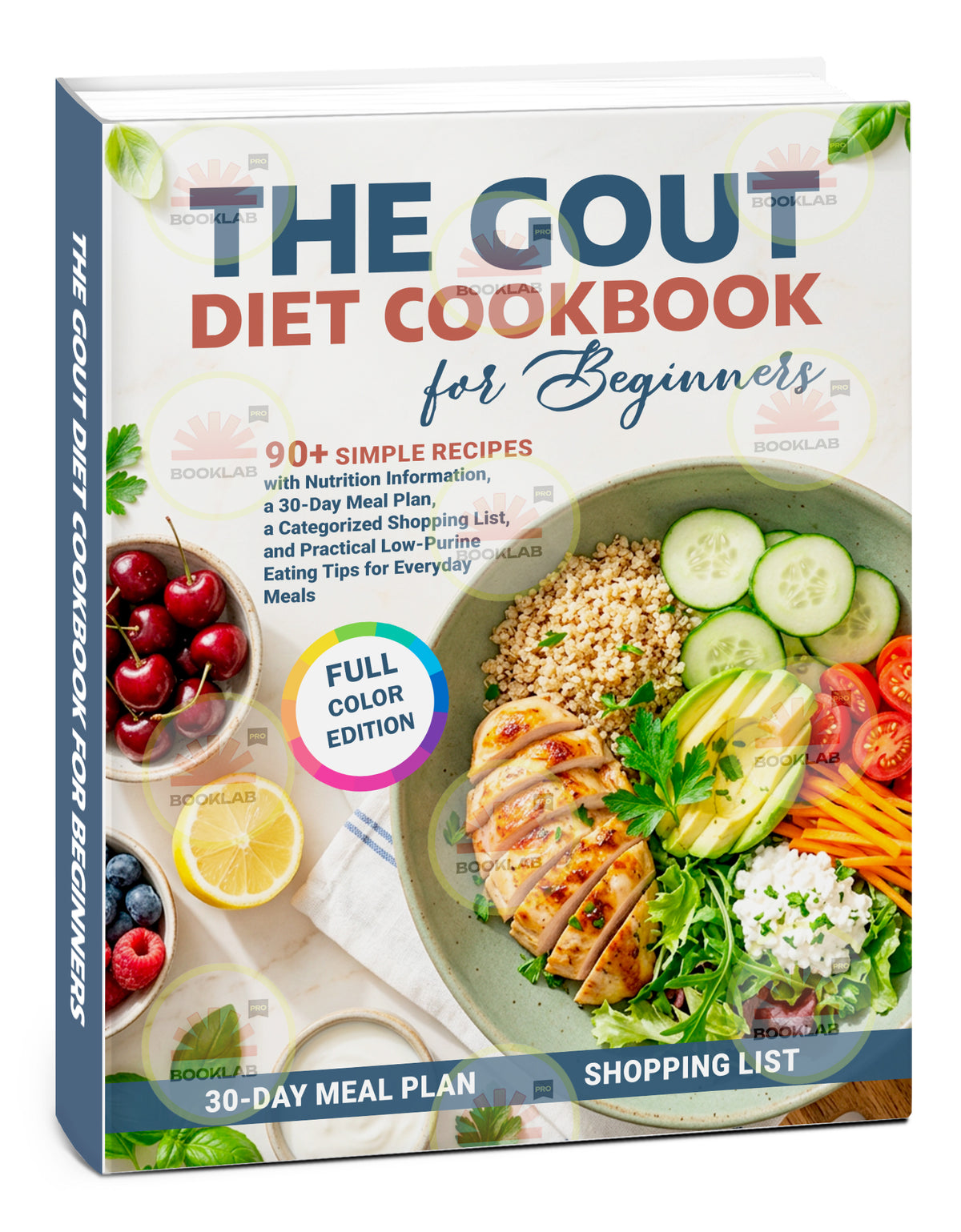
The Gout Diet Cookbook for Beginners
The Gout Diet Cookbook for Beginners
SKU:16060973
- Ready to publish on Amazon KDP
- Human-Written Manuscript
Couldn't load pickup availability
Premium Publishing Asset for Amazon Sellers: The Gout Diet Cookbook for Beginners
A complete, professionally structured 84-page cookbook manuscript featuring 90+ gout-friendly recipes, a 30-day meal plan, categorized shopping lists, detailed nutritional information, practical low-purine eating guidance, and everyday meal-planning strategies — fully written, organized, and ready for publishing preparation.
This publishing asset is designed for Amazon sellers entering or expanding within the gout diet, low-purine cooking, gout management, healthy eating, specialized nutrition, and dietary meal-planning niches.
Created for beginners and readers seeking practical gout-conscious food choices, the manuscript combines accessible recipes, dietary education, organized meal planning, and helpful ingredient guidance.
⭐️ What’s Included
✔️ Complete 84-page cookbook manuscript focused on gout-friendly eating and low-purine meal planning
✔️ 90+ recipes organized into eight practical categories
✔️ 20 breakfast recipes featuring whole grains, fruit, yogurt, eggs, and plant-based ingredients
✔️ Satisfying lunches featuring vegetables, lean poultry, selected fish, quinoa, and rice
✔️ Fresh salads and vegetable-based dishes
✔️ Comforting dinners featuring grains, vegetables, tofu, and carefully selected protein sources
✔️ Nourishing soups, snacks, small bites, and herbal beverages
✔️ Naturally sweet desserts featuring fruit, grains, and familiar pantry ingredients
✔️ Structured 30-day meal plan with daily meal suggestions
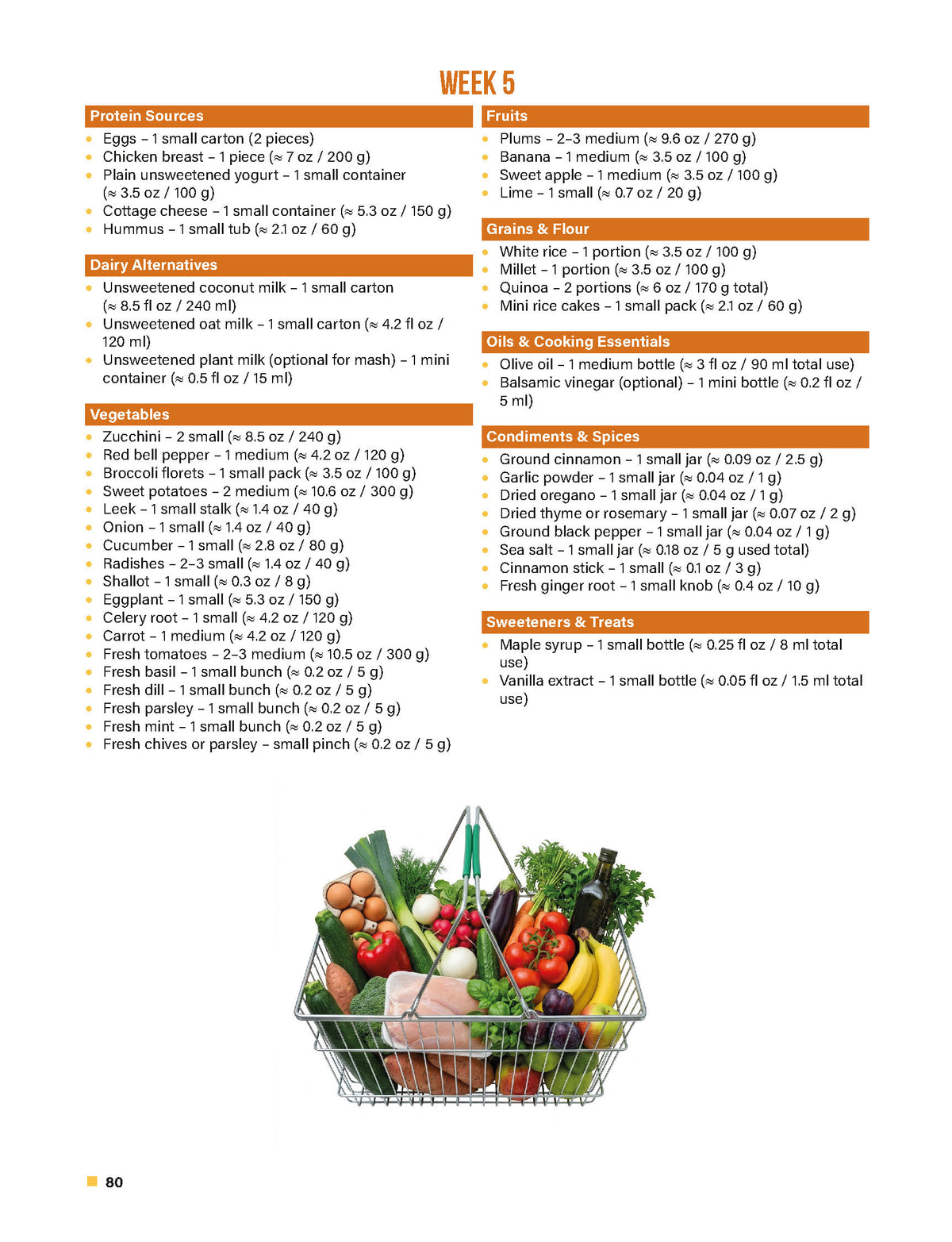
✔️ Five weekly shopping lists organized by ingredient category
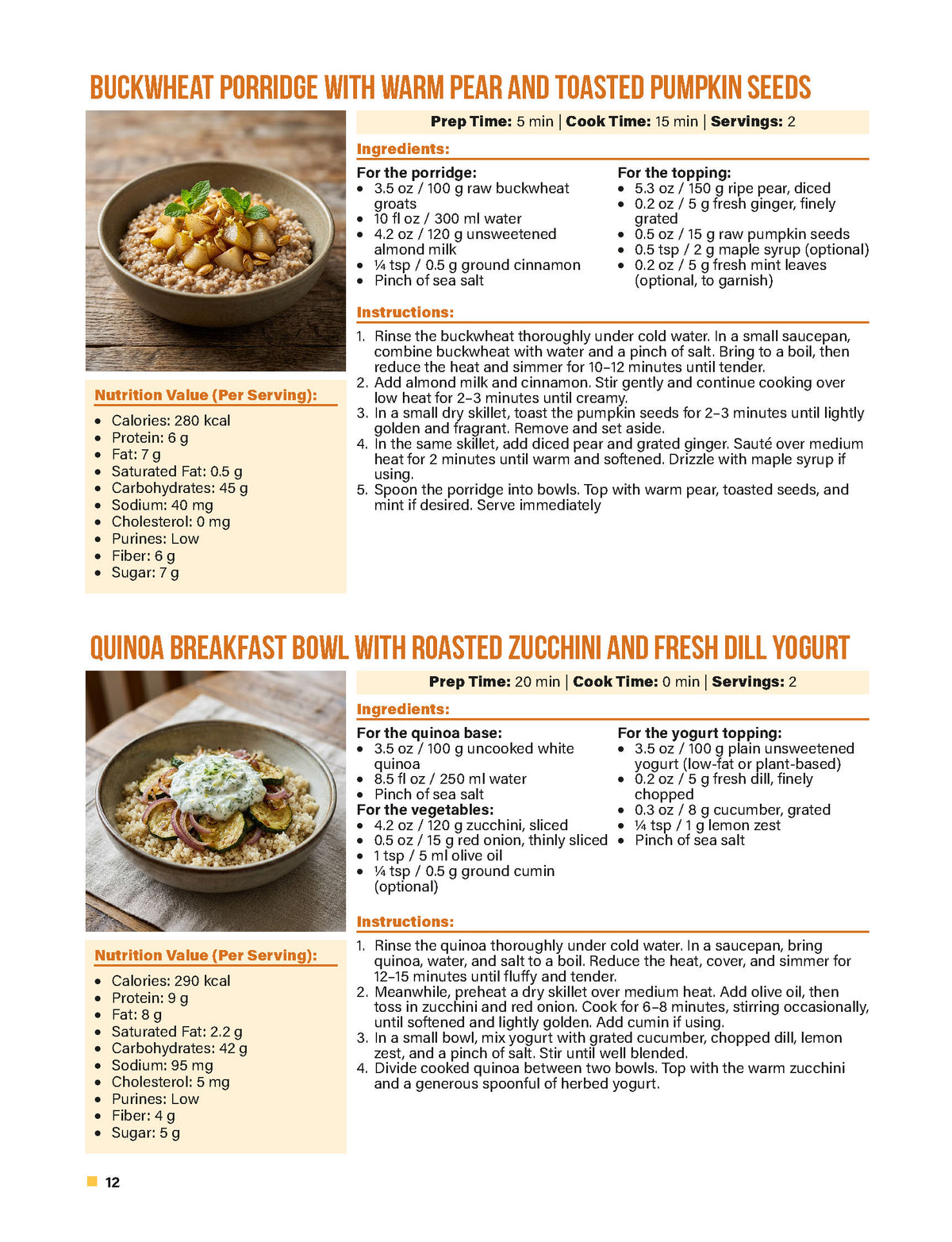
✔️ Detailed nutritional information per serving, including calories, protein, fats, carbohydrates, fiber, sugar, sodium, and cholesterol
✔️ Purine classifications included with individual recipes
✔️ Preparation and cooking times, serving sizes, and step-by-step instructions
✔️ Practical Gout Tips accompanying recipes
✔️ Introductory guidance on purines, hydration, ingredient selection, and portion awareness
✔️ Advice for adapting recipes and navigating restaurants, travel, and social gatherings
✔️ Lifestyle discussions covering movement, sleep, hydration, and stress management
✔️ Suitable for Kindle and paperback publishing preparation
📈 Why This Is a Valuable Publishing Asset
You’re getting a complete, professionally organized 84-page cookbook manuscript — not simply a collection of low-purine recipes.
The gout diet niche connects several specialized reader interests, including gout management, purine awareness, healthy cooking, dietary meal planning, and long-term nutrition habits.
Readers exploring these subjects often seek accessible resources that simplify food selection while providing satisfying alternatives to restrictive everyday menus.
This manuscript addresses those interests through practical recipes, structured meal planning, nutritional references, and introductory dietary guidance.
Its diverse recipe categories provide options for different meals and occasions, while the 30-day plan and five organized shopping lists support convenient grocery preparation.
Recipe-specific Gout Tips, nutritional information, purine classifications, and ingredient substitutions extend the manuscript beyond standard cooking instructions.
💼 Ideal For
- KDP publishers expanding their specialized diet cookbook catalogs
- Publishing agencies seeking complete nutrition-focused manuscripts
- Entrepreneurs developing Kindle, paperback, or digital cookbooks
- Sellers entering the gout diet and low-purine cooking niches
- Publishers targeting beginners interested in gout-conscious meal planning
- Amazon sellers exploring dietary education and healthy eating resources
🚀 What Makes This Book Special
- 90+ recipes across eight food and beverage categories
- Complete 30-day meal plan
- Five weekly shopping lists
- Nutritional information and purine classifications
- Beginner-friendly recipes and gout-conscious eating guidance
- Recipe-specific Gout Tips and ingredient substitutions
- Everyday meal-planning and social-dining guidance
- An educational approach without promising to cure gout or prevent flare-ups
This is a complete publishing asset for Amazon sellers seeking a specialized manuscript in the gout diet, low-purine cooking, and dietary meal-planning niches.
With its 84-page structure, 90+ recipes, 30-day meal plan, five categorized shopping lists, nutritional information, purine classifications, and practical eating guidance, The Gout Diet Cookbook for Beginners provides a strong foundation for developing a professional Amazon KDP publication focused on accessible, gout-conscious everyday cooking.
- Number of pages: 84
- Trim Size Paperback: 8,5*11
- Trim Size Hardcover: 8,25*11
Share
What's Included
-
Manuscript PDF
Complete manuscript in PDF format
-
eBook Format
Ready-to-publish electronic book format
-
Plagiarism Report
Detailed plagiarism check report
-
Book Cover
Covers that sell and visuals that grab attention
-
Book Description
Book description for marketing purposes
-
Book Quality Guide
Guide to reviewing book quality before publishing on Amazon KDP
Book Details
Human-Written Content
This manuscript was written by human authors and reviewed by editors. We do not use AI-generated text for the core book content. Each title is created as an original publishing asset for Amazon KDP sellers who want ready-to-use, professional-quality content.
Outline Overview
Table of Contents
Introduction: Understanding Gout-Friendly Eating
- What gout is and how uric acid is involved
- The role of dietary purines
- Foods to emphasize and foods that may require moderation
- The importance of hydration and balanced portions
- Choosing appropriate protein sources
- Starting a practical gout-conscious eating routine
- Navigating restaurants, travel, and social gatherings
- Frequently asked questions
- How to use the recipes, nutrition panels, and meal plan
Part I: Breakfasts and Light Morning Meals
Chapter 1: Nourishing Breakfasts
20 breakfast recipes featuring whole grains, fruit, yogurt, eggs, vegetables, seeds, and plant-based ingredients.
Recipes include:
- Buckwheat Porridge with Warm Pear and Toasted Pumpkin Seeds
- Quinoa Breakfast Bowl with Roasted Zucchini and Fresh Dill Yogurt
- Soft-Boiled Egg with Mashed Avocado Toast and Radish Slices
- Millet Pudding with Baked Apple and Cinnamon
- Tofu Scramble with Sweet Potato and Fresh Herbs
- Berry Yogurt Bowl with Amaranth Crisp and Flaxseed
- Baked Oatmeal with Apricot and Poppy Seeds
- Oatmeal with Blueberries and Chopped Walnuts
Part II: Lunches and Fresh Salads
Chapter 2: Satisfying Lunches
15 balanced lunch recipes featuring vegetables, grains, tofu, lean poultry, and selected fish.
Recipes include:
- Baked Herb Chicken Breast with Quinoa
- Braised Turkey with Stewed Vegetables and Mashed Potatoes
- Vegetable Stew with Quinoa and Aromatic Herbs
- Steamed Fish with Broccoli and Sweet Potato
- Tofu Stir-Fried with Zucchini and Tomato Sauce
- Roasted Sweet Potato and Quinoa Bowl with Tahini Dressing
- Grilled Chicken Breast with Quinoa and Roasted Vegetables
- Sweet Potato and Cauliflower Curry with Brown Rice
Chapter 3: Fresh and Simple Salads
10 colorful salads featuring vegetables, herbs, grains, seeds, citrus, and light homemade dressings.
Recipes include:
- Cucumber and Fresh Dill Salad with Lemon Juice
- Carrot Salad with Orange Dressing and Flax Seeds
- Green Bean Salad with Almonds and Garlic Dressing
- Warm Roasted Vegetable and Cauliflower Salad
- Quinoa and Vegetable Power Salad
- Warm Buckwheat Salad with Steamed Vegetables and Dill Oil
Part III: Dinners and Nourishing Soups
Chapter 4: Comforting Everyday Dinners
15 approachable dinner recipes built around vegetables, grains, tofu, eggs, and carefully selected protein sources.
Recipes include:
- Zucchini-Stuffed Tomatoes with Herbed Rice and Olive Oil
- Baked Sweet Potato with Steamed Kale and Pumpkin Seeds
- Tofu and Quinoa Patties with Sautéed Carrots
- Oven-Roasted Vegetables with Millet and Dill Yogurt Sauce
- Steamed Cod with Mashed Pumpkin and Zucchini Ribbons
- Stuffed Bell Peppers with Rice, Parsley, and Leek
- Baked Tofu with Lemon Sauce and Sautéed Vegetables
- Grilled Eggplant Slices with Quinoa and Dill Dressing
Chapter 5: Nourishing Soups and Vegetable Bowls
10 light and comforting soups featuring seasonal vegetables, grains, tofu, herbs, and gentle seasonings.
Recipes include:
- Carrot and Fennel Cream Soup with Turmeric
- Celery Root and Apple Soup with Parsley Oil
- Pumpkin-Ginger Soup with Fresh Basil
- Zucchini and Green Pea Purée Soup with Mint
- Cauliflower and Leek Soup with Olive Oil Drizzle
- Cold Cucumber and Dill Soup with Almond Milk
- Soft Tofu and Vegetable Soup with Ginger and Zucchini
- Pumpkin and Sweet Potato Soup with Coconut Milk and Turmeric
Part IV: Snacks, Drinks, and Desserts
Chapter 6: Snacks and Small Bites
10 convenient snacks featuring vegetables, fruit, grains, hummus, avocado, nuts, and seeds.
Recipes include:
- Steamed Sweet Potato Rounds with Miso-Tahini Drizzle
- Cucumber Rolls with Herbed Quinoa and Lemon Zest
- Mini Buckwheat Flatbreads with Mashed Green Peas
- Baked Apple Chips with Cinnamon Flax Dust
- Baked Zucchini Discs with Hummus Topping
- Mini Rice Cakes with Avocado Mash and Radish
Chapter 7: Herbal Teas and Soothing Drinks
10 refreshing and warming beverages designed to support hydration and everyday variety.
Recipes include:
- Nettle–Lemon Herbal Tea
- Fresh Ginger–Cinnamon Infusion
- Roasted Barley and Chicory Root Tea
- Cold Cucumber–Mint Water with Lime
- Chamomile–Fennel Relaxation Tea
- Infused Water with Basil, Blueberries, and Ginger
Chapter 8: Naturally Sweet Desserts
10 desserts featuring fruit, grains, seeds, nuts, and familiar pantry ingredients.
Recipes include:
- Baked Peach Halves with Flax and Almond Crumb
- Soft Millet Pudding with Banana and Vanilla
- Chilled Chia–Coconut Cream with Kiwi
- Poached Pear with Cardamom and Lemon Zest
- Carrot–Oat Mini Cakes with Cinnamon
- Frozen Watermelon–Basil Granita
- Zucchini–Lemon Muffin Bites
- Mashed Sweet Potato with Vanilla and Toasted Sesame
Part V: The 30-Day Meal-Planning System
Chapter 9: The 30-Day Meal Plan
- Week 1: Establishing a simple gout-conscious routine
- Week 2: Adding greater meal and ingredient variety
- Week 3: Exploring more grain, vegetable, and protein combinations
- Week 4: Maintaining balanced and organized daily meals
- Week 5: Completing the final two days and preparing for continued use
- Daily breakfast, lunch, dinner, and snack suggestions
- Flexible substitutions based on preferences and ingredient availability
- Portion and advance-preparation guidance
Chapter 10: Weekly Shopping Lists
Five categorized shopping lists coordinated with the 30-day meal plan.
Shopping categories include:
- Fresh vegetables and herbs
- Fruits and berries
- Grains and grain products
- Eggs, yogurt, and selected dairy products
- Poultry, tofu, and selected fish
- Nuts, seeds, oils, and pantry staples
- Herbs, spices, and beverage ingredients
Part VI: Practical Gout-Conscious Living
Chapter 11: Everyday Meal Preparation
- Planning balanced meals
- Reading recipe nutrition information
- Understanding recipe purine classifications
- Adjusting portions to individual needs
- Preparing ingredients in advance
- Using practical ingredient substitutions
- Organizing leftovers and reducing food waste
Chapter 12: Eating Beyond the Home
- Choosing meals at restaurants
- Planning food for travel
- Navigating holidays and social gatherings
- Communicating dietary preferences
- Returning to the routine after special occasions
Conclusion: Building a Sustainable Routine
- Making gradual, realistic dietary changes
- Maintaining regular hydration
- Supporting well-being through movement and sleep
- Managing stress and practicing mindful eating
- Treating dietary boundaries as practical self-care
- Adapting the plan to personal needs
- Seeking individualized guidance from qualified healthcare professionals
Sample Chapter
INTRODUCTION
Finding Relief, One Meal at a Time
Living with gout isn’t easy. The sudden flare-ups, the sharp, stabbing pain in your joints, the swelling that makes even simple movements difficult — it all becomes a heavy burden, not just physically, but emotionally too. Gout can make you feel like your body is betraying you, and even meals that once brought you comfort can start to feel like enemies in disguise.
I know this feeling. I’ve been there too — trying to make sense of what foods are “safe,” what might trigger another painful episode, and how to create meals that are both healing and enjoyable. This book was born from that personal journey. I didn’t want to live in fear of food anymore, and I didn’t want to feel restricted every time I walked into the kitchen. So I started researching, testing, and transforming the way I eat — and now I want to share that with you.
The truth is: food can be part of the solution. With a thoughtful approach, eating well becomes empowering — a tool to reduce inflammation, support your kidneys, manage uric acid levels, and help reduce the frequency of flare-ups. And the best part? It doesn’t mean bland, boring meals. It means eating with purpose and pleasure.
This cookbook was created to make gout-friendly eating simple, enjoyable, and sustainable — no complicated ingredients, no extreme diets, just real food that supports real healing. Whether you were diagnosed recently or have been living with gout for years, this book will meet you where you are. You’ll find clear guidance, reliable recipes, and gentle support to help you build a lifestyle that works for you.
What Is Gout?
Gout is a type of arthritis — a joint condition that causes sudden, sharp pain, swelling, and redness, usually in the big toe, ankle, or knee. But unlike some other forms of arthritis that develop gradually, gout attacks (also called “flare-ups”) come quickly and often without warning. One day your joint feels normal, and the next morning it may be red, hot, and so painful that even a bedsheet touching it feels unbearable.
But what exactly causes this pain?
The root of gout lies in a substance called uric acid — a natural waste product that forms when the body breaks down purines, which are found in certain foods and also produced naturally inside the body. Usually, uric acid dissolves in your blood and is excreted through your kidneys into your urine. But when there’s too much uric acid in your system (called hyperuricemia), or when your kidneys can’t remove it efficiently, it begins to build up.
Over time, excess uric acid forms tiny, needle-shaped crystals in the joints — and these crystals are what trigger the intense inflammation, swelling, and pain known as a gout attack.
What causes high uric acid?
There are several reasons your body might struggle to keep uric acid in balance:
- Diet high in purine-rich foods (like red meat, organ meats, anchovies, shellfish, sugary drinks, beer)
- Overweight or obesity, which puts stress on metabolism and kidneys
- Low hydration, which reduces uric acid excretion
- Kidney issues, where the body doesn’t filter uric acid efficiently
- Genetics, as gout can run in families
- Certain medications (like diuretics or aspirin) that raise uric acid levels
Gout is more than a one-time event
Some people experience just one flare-up and never again. But for many, gout becomes a chronic condition — with recurring attacks and a risk of long-term joint damage if left unmanaged. In more advanced stages, crystals can clump into hard deposits called tophi, which may form under the skin or around joints.
That’s why managing uric acid through diet, hydration, and lifestyle is essential — even between flare-ups. The goal isn’t just to stop the pain today, but to support your body between episodes and protect your joints over time.
So where does diet fit in?
Diet plays a massive role in gout management. Because purines are found in many everyday foods, choosing meals that are low in purines may help support a lower-purine lifestyle. But it's not just about restriction — it's about eating in a way that supports your body, balances your metabolism, and gives you comfort without feeling deprived..
And that’s what this book is all about: helping you eat smarter, feel better, and regain control — one delicious, joint-friendly meal at a time.
Principles of a Gout-Friendly Diet
Managing gout isn’t just about avoiding certain foods — it’s about learning how to eat in a way that reduces uric acid, soothes inflammation, and supports overall joint health. The good news is, you don’t need extreme diets or endless restrictions. With a few consistent changes, you can feel better, prevent flare-ups, and still enjoy your meals.
Here are the core principles that guide every recipe in this book:
- Lower Purine Intake
Purines are natural compounds found in many foods, especially animal-based products like red meat, organ meats (liver, kidney), shellfish, and some fish (anchovies, sardines, mackerel). When your body breaks them down, it creates uric acid. The more purines you eat, the more uric acid you produce — and the higher the risk of painful crystal buildup in your joints.
Focus on:
- Plant-based proteins (like lentils, tofu, beans — in moderation)
- White meats (chicken or turkey without skin, in small amounts)
- Low-purine vegetables and grains
Limit or avoid:
- Red meat and game meat
- Organ meats
- Certain seafood (anchovies, sardines, mussels, scallops)
- Meat broths and gravies
- Stay Well-Hydrated
Water is your best friend. It helps your kidneys flush out excess uric acid, keeping your blood clean and your joints less inflamed. Dehydration can trigger a gout attack — even if your diet is otherwise clean.
Aim for:
- 8 to 10 cups (2–2.5 liters) of water per day
- Herbal teas, lemon water, and diluted vegetable broths
Avoid:
- Sugary sodas
- Fruit juices with added sugar
- Alcohol, especially beer (which contains purines and dehydrates)
- Maintain a Healthy Weight — Gently
Excess weight can increase uric acid production and reduce your body’s ability to eliminate it. But rapid weight loss can have the same effect. That’s why slow, sustainable changes are key. A balanced, anti-inflammatory diet — like the one in this book — helps you lose or stabilize weight naturally over time.
See Inside the Book


