


BookLab
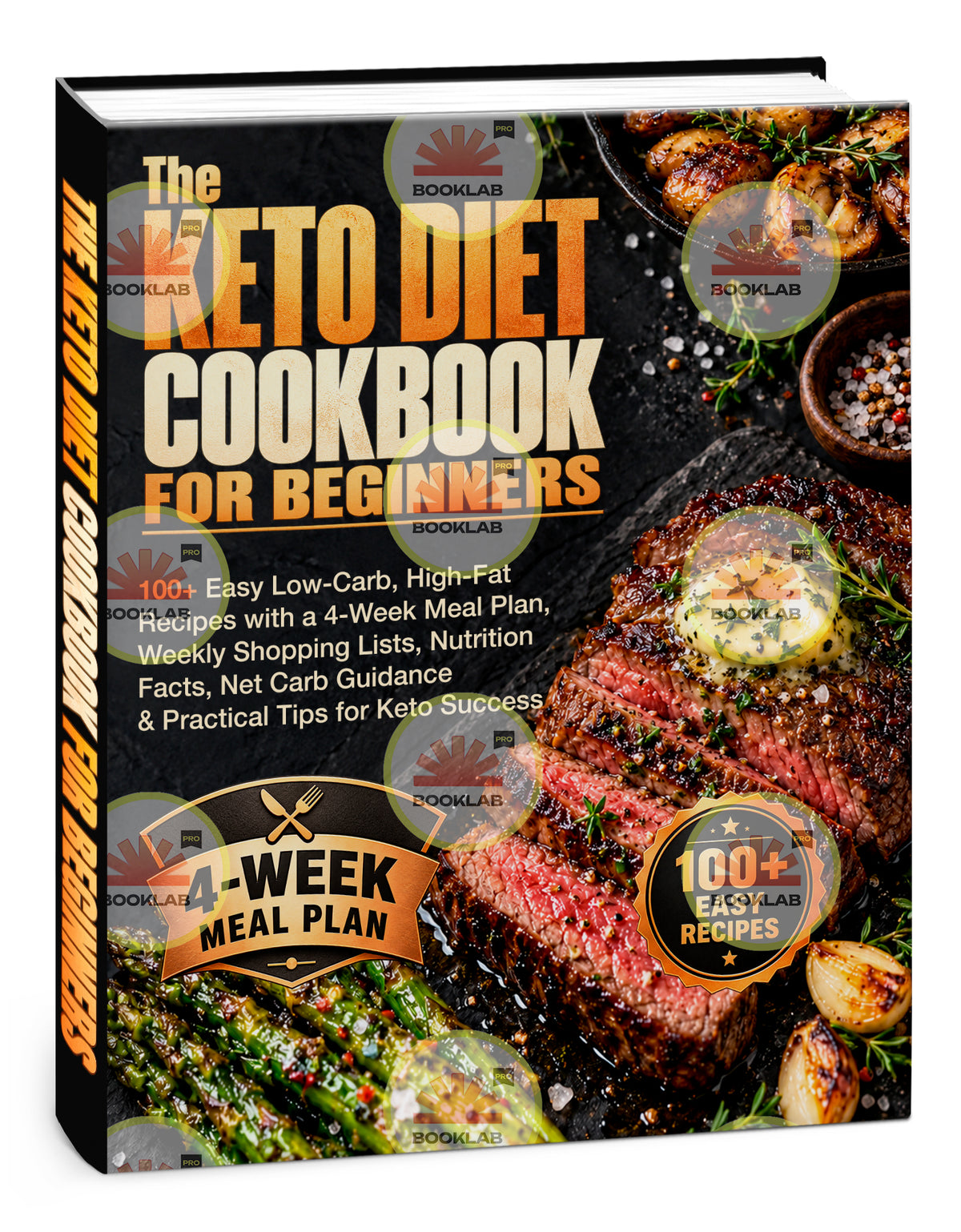
The Keto Diet Cookbook for Beginners
The Keto Diet Cookbook for Beginners
SKU:15771542
- Ready to publish on Amazon KDP
- Human-Written Manuscript
Couldn't load pickup availability
Premium Publishing Asset for Amazon Sellers: The Keto Diet Cookbook for Beginners
A complete, professionally structured 110-page keto cookbook manuscript featuring 100+ low-carb, high-fat recipes, a 4-week meal plan, weekly shopping lists, detailed nutritional information, net carb guidance, and practical ketogenic lifestyle tips — fully written, organized, and ready for publishing preparation.
This publishing asset is designed for Amazon sellers, KDP publishers, publishing agencies, and digital entrepreneurs entering or expanding within the ketogenic diet, low-carb cooking, beginner nutrition, meal planning, and high-fat recipe niches.
Created for beginners exploring ketogenic eating, the manuscript combines accessible nutritional education, flavorful everyday recipes, structured meal planning, and practical strategies for incorporating low-carb meals into daily routines.
⭐️ What’s Included
✔️ Complete 110-page cookbook manuscript focused on beginner-friendly ketogenic cooking
✔️ 100+ flavorful low-carb, high-fat recipes organized into eight categories
✔️ Breakfasts, lunches, dinners, snacks, fat bombs, smoothies, salads, desserts, and special-occasion meals
✔️ Four introductory chapters explaining keto fundamentals, getting started, transitioning to keto, and maintaining everyday routines
✔️ Beginner-friendly explanations of ketosis, macronutrients, net carbohydrates, fiber, and keto-compatible sweeteners
✔️ Practical food lists covering keto-friendly ingredients, foods to limit, and essential pantry staples
✔️ Clear recipe instructions with preparation times, cooking times, servings, and ingredient measurements
✔️ Nutritional information per serving, including calories, protein, fat, net carbohydrates, fiber, and selected micronutrients
✔️ A complete 4-week meal plan designed to simplify everyday meal decisions
✔️ Weekly shopping lists for organized grocery planning and meal preparation
✔️ Practical guidance on meal prep, kitchen equipment, ingredient substitutions, and low-carb cooking techniques
✔️ Educational information about the initial keto transition, hydration, electrolytes, and common beginner challenges
✔️ Everyday lifestyle tips covering restaurant dining, traveling, social occasions, and flexible cooking routines
✔️ Recipes featuring chicken, beef, seafood, eggs, vegetables, cheese, nuts, and other keto-compatible ingredients
✔️ Suitable for Kindle and paperback publishing preparation
📈 Why This Is a Valuable Publishing Asset
You’re getting a complete, professionally organized cookbook manuscript — not a basic collection of low-carb recipes or a short introduction to ketogenic eating.
The ketogenic diet represents a specialized publishing niche connecting low-carb cooking, high-fat recipes, meal preparation, nutritional education, and beginner-friendly dietary guidance.
Readers exploring keto often seek practical explanations of food choices, net carbohydrate calculations, meal planning, and ways to prepare satisfying meals without complicated ingredients. This manuscript addresses those needs by combining foundational keto education with everyday cooking applications.
Its eight recipe categories cover quick breakfasts, convenient lunches, family dinners, salads, snacks, smoothies, desserts, and special-occasion meals.
The included 4-week meal plan and weekly shopping lists extend the manuscript beyond individual recipes by providing practical tools for grocery organization and daily menu planning.
Detailed nutritional information and net carb guidance provide additional reference value for readers who want to understand the carbohydrate content of their meals.
💼 Ideal For
- KDP publishers expanding their ketogenic diet and low-carb cookbook catalogs
- Publishing agencies seeking a complete cookbook manuscript
- Entrepreneurs developing Kindle, paperback, or digital culinary products
- Sellers entering the beginner keto, low-carb meal-planning, or high-fat cooking niches
- Publishers targeting beginner home cooks and readers exploring ketogenic eating
🚀 What Makes This Book Special
- 100+ recipes across eight organized categories
- Practical keto education for beginners
- A complete 4-week meal plan
- Coordinated weekly shopping lists
- Clear explanations of net carbs, macros, ketosis, and ingredient selection
- Detailed nutritional information for every recipe
- Guidance for common beginner challenges
- Meal-preparation and pantry-organization strategies
- Savory meals, snacks, smoothies, desserts, and special-occasion recipes
- Practical advice for dining out, traveling, and social events
- Approachable cooking methods and flexible planning habits
- Educational content without guaranteed weight-loss or medical outcomes
This is a complete publishing asset designed for Amazon sellers seeking a content-rich manuscript in the ketogenic diet and beginner low-carb cooking niches.
With 100+ recipes, structured keto foundations, a 4-week meal plan, weekly shopping lists, nutritional information, net carb guidance, and practical lifestyle support, The Keto Diet Cookbook for Beginners provides a strong foundation for developing a professional Amazon KDP cookbook combining accessible education with everyday culinary inspiration.
- Number of pages: 110
- Trim Size Paperback: 8,5*11
- Trim Size Hardcover: 8,25*11
Share

What's Included
-
Manuscript PDF
Complete manuscript in PDF format
-
eBook Format
Ready-to-publish electronic book format
-
Plagiarism Report
Detailed plagiarism check report
-
Book Cover
Covers that sell and visuals that grab attention
-
Book Description
Book description for marketing purposes
-
Book Quality Guide
Guide to reviewing book quality before publishing on Amazon KDP
Book Details
Human-Written Content
This manuscript was written by human authors and reviewed by editors. We do not use AI-generated text for the core book content. Each title is created as an original publishing asset for Amazon KDP sellers who want ready-to-use, professional-quality content.
Outline Overview
Table of Contents
Introduction: Beginning the Keto Journey
- What the ketogenic diet is
- Who this cookbook is designed for
- How to use the educational chapters and recipes
- Understanding recipe measurements and nutrition facts
- Calculating and tracking net carbohydrates
- Setting realistic expectations
- When to consult a qualified healthcare professional
Part I: Keto Foundations
Chapter 1: The Keto Blueprint
- Understanding ketosis
- How carbohydrates, fats, and proteins function
- Total carbohydrates versus net carbohydrates
- Calculating net carbs
- Setting practical macronutrient targets
- Understanding dietary fiber
- Selecting appropriate fats and protein sources
- Keto-compatible sweeteners
- Building a balanced low-carb plate
Chapter 2: Getting Started
- Foods commonly included in ketogenic cooking
- Foods and ingredients to limit
- Essential pantry staples
- Refrigerator and freezer basics
- Kitchen tools and equipment
- Reading nutrition labels
- Planning meals in advance
- Ingredient substitutions
- Preparing the kitchen for the first week
Chapter 3: Transitioning to Keto
- Gradually reducing carbohydrate intake
- Common experiences during the initial transition
- Hydration and electrolyte considerations
- Sodium, potassium, and magnesium
- Managing appetite and meal timing
- Adjusting fat and protein portions
- Tracking individual responses
- Recognizing when professional guidance may be needed
Chapter 4: Living the Keto Lifestyle
- Preparing meals in advance
- Batch cooking and storing leftovers
- Dining at restaurants
- Traveling while following a low-carb routine
- Navigating holidays and social occasions
- Maintaining flexibility
- Making practical substitutions
- Building sustainable everyday habits
Part II: The Recipes
Chapter 1: Breakfasts
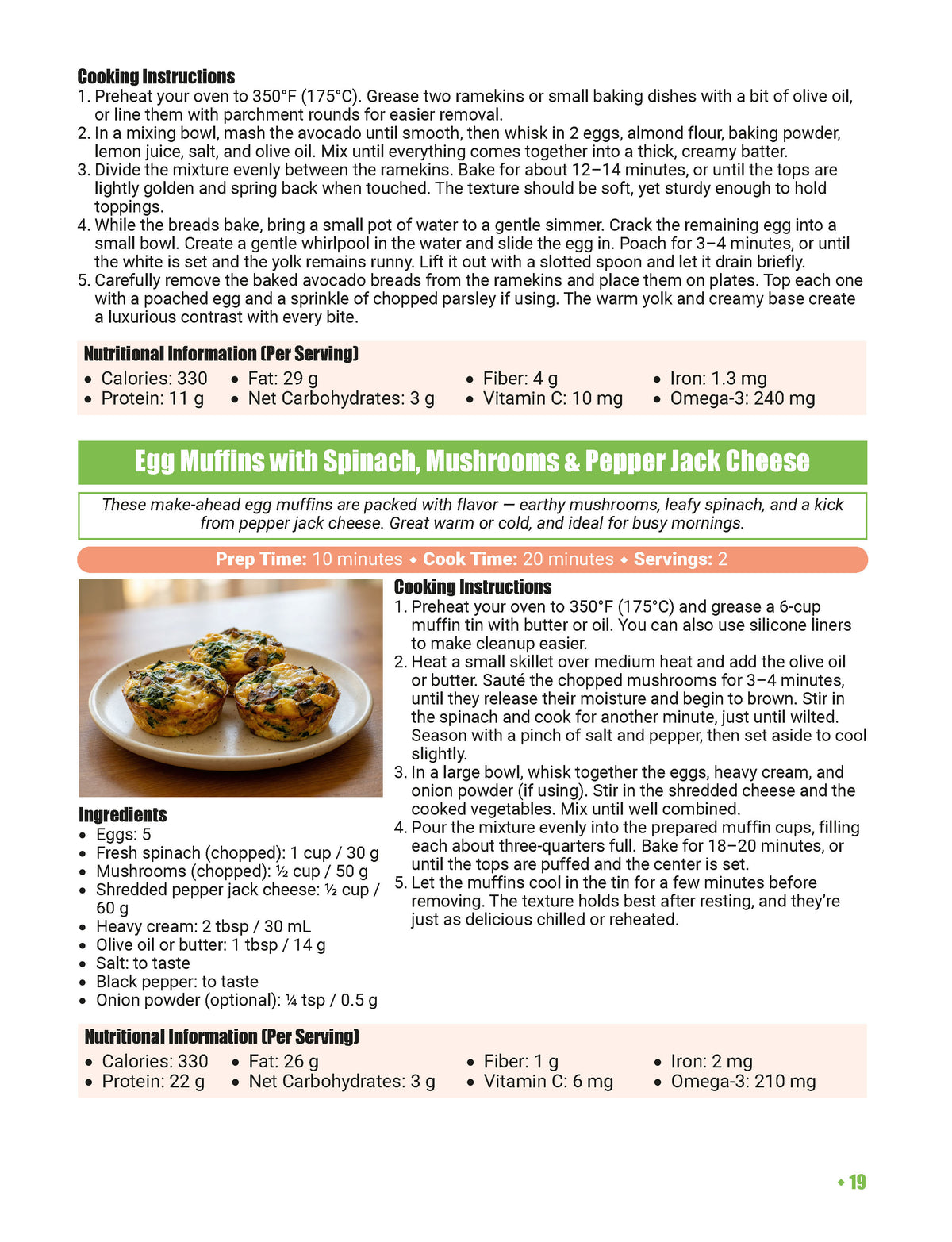
20 low-carb breakfast recipes featuring eggs, cheese, poultry, vegetables, avocado, smoked salmon, steak, bacon, and keto-style breads.
Recipes include:
- Flourless French Toast with Cinnamon Butter Glaze
- Baked Feta Eggs with Cherry Tomatoes and Basil
- Zero-Carb Breakfast Lasagna
- Cheesy Air Fryer Egg Tortilla
- Savory Chaffles with Bacon and Avocado
- Keto Egg Loaf
- Turkey and Avocado Breakfast Bowl
- Egg Muffins with Spinach and Mushrooms
- Sous-Vide Egg Bites with Bacon and Gruyère
- Steak and Eggs Power Plate
- Cloud Bread Breakfast Sandwich
- Savory Keto Pancakes with Smoked Salmon
- Keto Breakfast Burrito with Egg Wrap
Chapter 2: Lunches
20 convenient lunch recipes featuring poultry, beef, pork, seafood, vegetables, cauliflower, cabbage, zucchini, and low-carb wraps.
Recipes include:
- Keto Chicken Shawarma Plate
- Cabbage Chicken Alfredo Skillet
- Stir-Fried Napa Cabbage and Pork Bowl
- Chicken Parmesan Pizza
- Keto Taco Cups
- Philly Cheesesteak Cabbage Wraps
- Cauliflower Fried Rice
- Chicken-Stuffed Avocados
- Creamy Sun-Dried Tomato Chicken
- Keto Beef Stew
- Turkey Taco Lettuce Wraps
- Tuna Melt Zucchini Boats
- Shrimp and Broccoli Stir-Fry
- Chicken Alfredo Spaghetti Squash Bowls
- Keto Sushi Rolls
Chapter 3: Dinners
20 satisfying dinner recipes featuring chicken, beef, pork, turkey, lamb, salmon, scallops, sausage, and low-carb vegetables.
Recipes include:
- Chicken Ranch Bake with Broccoli
- Jalapeño Popper Chicken Skillet
- Keto Beef Stroganoff
- Low-Carb Turkey Gyro Bowl
- Pork Chops with Mushroom Cream Sauce
- Sheet-Pan Teriyaki Salmon
- Steak and Scallops Surf-and-Turf
- Chicken Meatballs with Coconut Herb Sauce
- Moroccan-Spiced Lamb with Eggplant
- Sheet-Pan Chicken with Vegetables
- Slow-Cooker Pork Carnitas
- Coconut Curry Salmon
- Italian Sausage and Peppers
- Greek Chicken Thighs with Olives and Feta
- Eggplant Lasagna with Ground Turkey
- Lasagna-Stuffed Spaghetti Squash
Chapter 4: Snacks and Fat Bombs
16 snack and fat-bomb recipes featuring cheese, eggs, seeds, nuts, chocolate, coconut, cream cheese, and cured meats.
Recipes include:
- Everything Bagel Cheese Crisps
- Jalapeño Cheddar Fat Bombs
- Spicy Deviled Eggs
- Parmesan Zucchini Chips
- Crunchy Seed Clusters
- Salami Cups with Cream Cheese
- Peanut Butter Chocolate Fat Bombs
- Coconut Lime Cheesecake Bites
- Lemon Cream Cheese Fat Bombs
- Pumpkin Spice Butter Bombs
- Flaxseed Keto Crackers
- Mocha Hazelnut Bombs
- Almond Coconut Energy Bars
- Chocolate Collagen Squares
- Almond Butter Fudge Bombs
- Mini Meat and Cheese Skewers
Chapter 5: Smoothies and Drinks
10 low-carb beverages featuring avocado, berries, coconut, nuts, coffee, chocolate, and electrolyte-focused ingredients.
Recipes include:
- Keto Avocado Green Smoothie
- Chocolate Peanut Butter Keto Shake
- Electrolyte Citrus Fizz
- Blueberry Coconut Protein Smoothie
- Iced Bulletproof Coffee Shake
- Strawberry Macadamia Cream Smoothie
- Vanilla Chai Smoothie
- Mint Chocolate Keto Shake
- Cucumber Lime Electrolyte Cooler
- Cinnamon Roll Breakfast Shake
Chapter 6: Salads
10 substantial salads featuring steak, chicken, shrimp, tuna, salmon, eggs, avocado, cheese, and low-carb vegetables.
Recipes include:
- Steak and Arugula Salad
- Keto-Style Chicken Caesar Salad
- Greek Salad with Grilled Shrimp
- Tuna Salad with Avocado and Eggs
- Cobb Salad with Ranch
- Buffalo Chicken Salad
- Salmon and Avocado Salad
- Chicken Bacon Ranch Salad
- Italian Antipasto Salad
- Thai Peanut Chicken Salad
Chapter 7: Desserts
14 low-carb desserts featuring chocolate, ricotta, mascarpone, berries, coconut, avocado, nuts, and keto-compatible sweeteners.
Recipes include:
- Keto Chocolate Lava Cake
- Lemon Ricotta Mousse
- Peanut Butter Cheesecake Bites
- Chocolate Avocado Pudding
- Berry Mascarpone Cream Cups
- Keto Snickerdoodle Mug Cake
- Almond Butter Chocolate Bark
- Cinnamon Roll Cheesecake Bites
- Pecan Pie Fat Bomb Squares
- Frozen Berry Coconut Cream Bars
- Chocolate-Covered Strawberry Fat Bombs
- Mini Keto Lemon Tarts
- Coconut Cream Chia Pudding
- Mocha Cream Mousse
Chapter 8: Holiday and Special-Occasion Meals
10 recipes for celebrations, holidays, and shared meals.
Recipes include:
- Bacon-Wrapped Turkey
- Keto Holiday Stuffing
- Keto Gravy
- Roast Turkey Breast with Herb Butter
- Holiday Cheesecake
- Valentine’s Chocolate Mousse
- Keto “Potato” Salad
- Shrimp Cocktail
- Deviled Egg Variations
- Keto-Friendly Celebration Cake
Part III: The Four-Week Keto Meal Plan
Week 1: Establishing the Basics
- Simple breakfasts, lunches, and dinners
- Familiar low-carb ingredients
- Initial meal-preparation routine
- Hydration and electrolyte reminders
Week 2: Expanding Recipe Variety
- Additional poultry, seafood, and vegetable dishes
- Planned snacks and smoothies
- Efficient use of leftovers
Week 3: Building Confidence
- Greater recipe flexibility
- Batch cooking
- Ingredient substitutions
- Restaurant and travel considerations
Week 4: Creating a Sustainable Routine
- Repeating favorite meals
- Adapting portions
- Preparing independent weekly menus
- Maintaining flexibility for social occasions
Part IV: Shopping and Preparation Tools
Weekly Shopping Lists
- Week 1 Shopping List
- Week 2 Shopping List
- Week 3 Shopping List
- Week 4 Shopping List
Pantry and Meal-Preparation Resources
- Essential keto pantry staples
- Fresh and refrigerated ingredients
- Freezer-friendly items
- Budget-conscious substitutions
- Ingredient-preparation checklist
- Batch-cooking guide
- Storage and reheating guidance
- Net carb reference
- Recipe substitution chart
Conclusion: Continuing with Confidence
- Reviewing foundational keto principles
- Using net carb information responsibly
- Personalizing recipes and portions
- Maintaining hydration and electrolyte awareness
- Managing dining, travel, and social occasions
- Focusing on consistent habits rather than perfection
- Knowing when to seek professional guidance
Sample Chapter
Chapter 1: The Keto Blueprint
Understanding Macros: Fats, Proteins, Carbs
At the heart of the ketogenic lifestyle is the strategic use of macronutrients — fat, protein, and carbohydrates — to reshape how the body produces energy. By carefully adjusting their ratios, you can encourage your metabolism to shift into fat-burning mode.
Fat takes center stage on keto. Unlike traditional diets that treat fat with caution, the keto approach relies on it as your primary source of energy. Nutrient-dense fats — like those found in avocados, olive oil, coconut oil, butter, nuts, seeds, and oily fish — not only provide fuel but also help regulate hormones, support cognitive health, and keep you feeling full between meals.
Protein plays a crucial yet supportive role. It helps preserve muscle mass, repair tissues, and drive many biochemical functions. The goal isn’t to overdo it — too much protein can interfere with ketosis — but rather to eat enough from quality sources like eggs, meat, poultry, seafood, and full-fat dairy.
Carbohydrates, on the other hand, are drastically reduced. Typically, only 5–10% of your daily calories should come from carbs. This low intake prompts your body to enter ketosis. Instead of grains or starchy foods, you’ll focus on leafy greens, cruciferous vegetables, and occasional berries.
A common starting point for keto macros is around 70% fat, 25% protein, and 5% carbs by calorie percentage. Finding the right balance for your body is key to maintaining ketosis and feeling your best.
Net Carbs vs. Total Carbs
When tracking carbs on keto, not all carbohydrates are created equal. Understanding net carbs is crucial for staying within your daily limits while still enjoying a diverse range of foods.
Total carbs encompass all forms — sugars, starches, and fiber. However, net carbs represent only the carbs that have a direct impact on blood sugar levels. You calculate them by subtracting fiber and, in some cases, sugar alcohols from the total carb content.
Here’s the formula:
Net Carbs = Total Carbs – Fiber – Sugar Alcohols (if used)
Consider the following example: A food item contains 12 grams of total carbs, 5 grams of fiber, and 2 grams of erythritol. The net carbs would be 5 grams.
Most people aiming for ketosis stay between 20 and 50 grams of net carbs per day. Tracking net carbs allows greater flexibility, especially when eating high-fiber vegetables, seeds, or keto-friendly baked goods.
The Role of Fiber, Sugar Alcohols and Sweeteners
Fiber often gets overlooked on low-carb diets, but it plays a vital role in a healthy ketogenic approach. Even though it's technically a carbohydrate, fiber doesn’t break down into glucose and doesn’t kick you out of ketosis.
Soluble fiber helps with satiety and feeds beneficial gut bacteria, while insoluble fiber supports digestion and regularity. Excellent sources of keto-approved fiber include leafy greens, broccoli, chia and flaxseeds, avocados, and Brussels sprouts.
To enjoy a bit of sweetness without spiking blood sugar, sugar alcohols like erythritol or xylitol are commonly used in keto recipes. These compounds contain fewer calories and have a minimal impact on blood sugar levels. However, some people may experience digestive issues, especially with higher quantities.
Natural sweeteners, such as stevia and monk fruit, are popular options for those seeking to avoid artificial additives. These allow you to satisfy a sweet tooth without compromising ketosis.
The key to using sweeteners and fiber on keto is intentionality. Choosing whole-food fiber sources and using sweeteners in moderation helps you maintain better blood sugar control and supports a balanced, long-term keto lifestyle.
See Inside the Book


