


BookLab
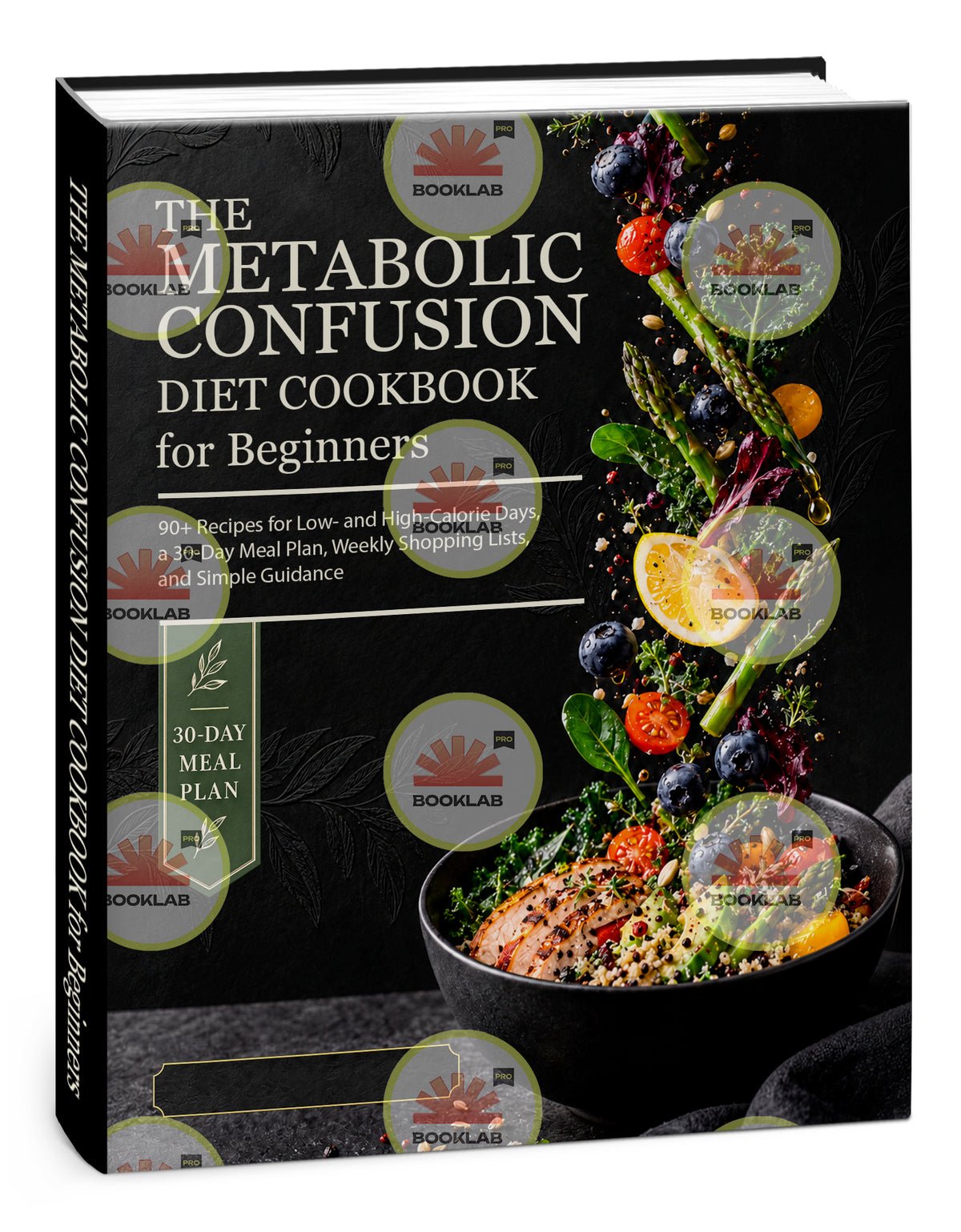
The Metabolic Confusion Diet Cookbook for Beginners
The Metabolic Confusion Diet Cookbook for Beginners
SKU:15987962
- Ready to publish on Amazon KDP
- Human-Written Manuscript
Couldn't load pickup availability
Premium Publishing Asset for Amazon SellersThe Metabolic Confusion Diet Cookbook for Beginners
A complete, professionally structured 95-page cookbook manuscript featuring 90+ calorie-cycling recipes, a 30-day meal plan, weekly shopping lists, nutritional information, and practical guidance for alternating Low- and High-Calorie Days — fully written, organized, and ready for publishing preparation.
This publishing asset is designed for Amazon sellers entering or expanding within the metabolic confusion diet, calorie cycling, healthy eating, portion-conscious cooking, weight management, and meal-planning cookbook niches.
Created for beginners exploring flexible eating strategies, the manuscript combines approachable recipes, structured meal planning, nutritional education, and practical everyday cooking guidance.
⭐️ What’s Included
✔️ Complete 95-page cookbook manuscript focused on calorie cycling and everyday meal preparation
✔️ 90+ recipes organized into dedicated Low-Calorie Day and High-Calorie Day sections
✔️ Lighter breakfasts featuring vegetable scrambles, oatmeal, pancakes, and nutritious breakfast bowls
✔️ Low-calorie lunches featuring salads, vegetable dishes, lean proteins, and plant-based combinations
✔️ Light dinners, soups, and desserts designed for lower-calorie eating days
✔️ Substantial breakfasts featuring eggs, grains, yogurt, protein pancakes, and smoothies
✔️ Satisfying lunches and dinners featuring chicken, turkey, beef, salmon, seafood, and whole grains
✔️ High-calorie soups, hearty bowls, and desserts for varied meal planning
✔️ Structured 30-day meal plan with organized daily meal suggestions
✔️ Five weekly shopping lists supporting grocery preparation and meal planning
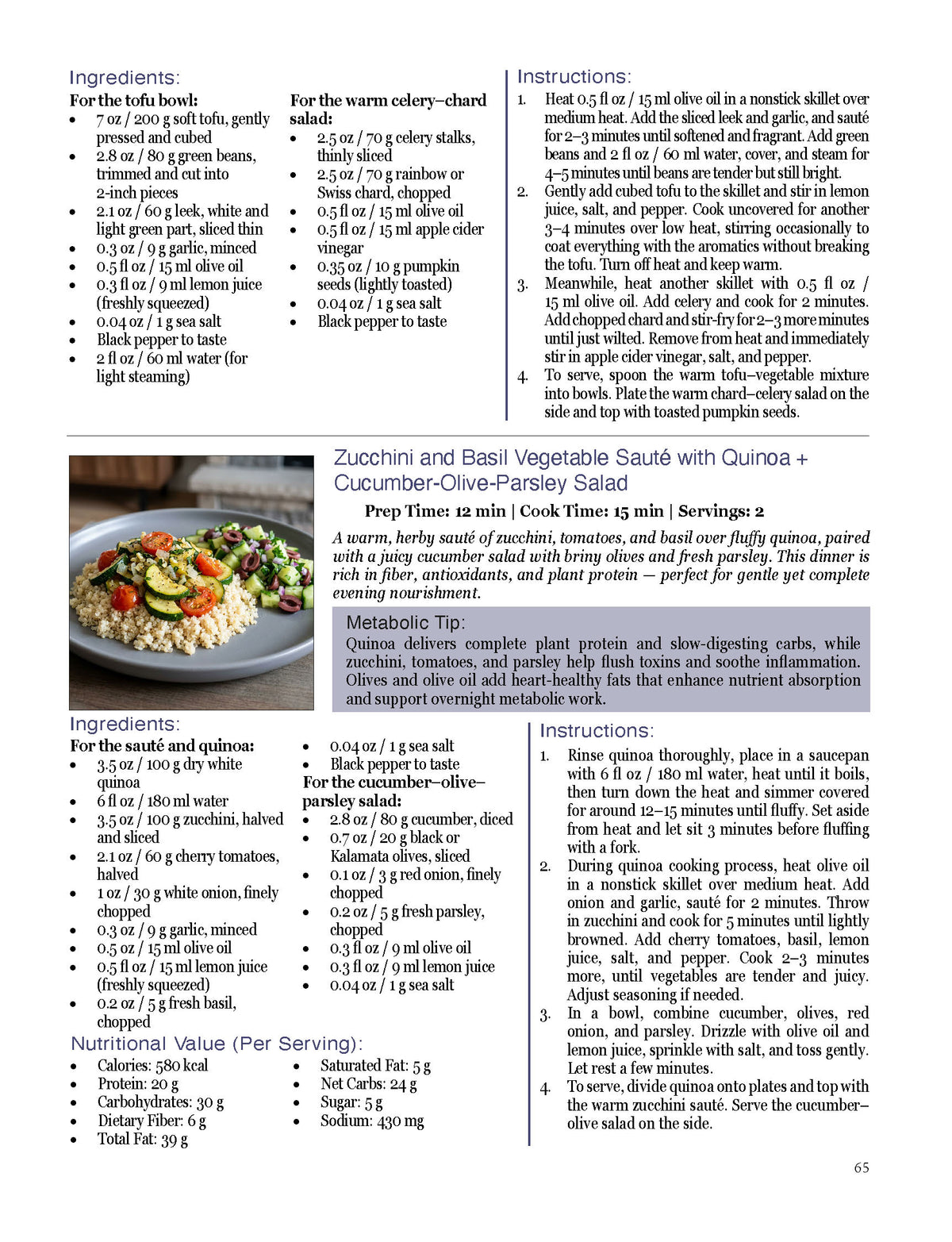
✔️ Estimated nutritional information per serving, including calories, protein, carbohydrates, fats, fiber, sugar, and sodium
✔️ Preparation and cooking times, serving sizes, ingredient lists, and step-by-step instructions
✔️ Practical recipe tips for meal adjustments and ingredient combinations
✔️ Educational guidance on calorie cycling, macronutrients, and different eating-day schedules
✔️ Introductory information about balanced nutrition, portion awareness, and sustainable eating habits
✔️ Lifestyle guidance covering physical activity, sleep, daily routines, and mindful eating
✔️ Suitable for Kindle and paperback publishing preparation
📈 Why This Is a Valuable Publishing Asset
You’re getting a complete, professionally organized 95-page cookbook manuscript — not simply a collection of calorie-conscious recipes.
The metabolic confusion diet niche connects several established reader interests, including calorie cycling, flexible meal planning, balanced nutrition, portion management, and everyday cooking.
Readers exploring these subjects often seek practical resources explaining how to organize higher- and lower-calorie days without complicated preparation methods.
This manuscript addresses those interests through clearly separated recipe sections, introductory nutritional guidance, and a structured 30-day meal plan.
Its varied breakfasts, lunches, dinners, soups, and desserts support different eating occasions while providing flexible meal combinations. The accompanying shopping lists and nutritional information provide additional tools for organizing meals and comparing food choices.
💼 Ideal For
- KDP publishers expanding their healthy eating and diet cookbook catalogs
- Publishing agencies seeking complete culinary manuscripts
- Entrepreneurs developing Kindle, paperback, or digital cookbooks
- Sellers entering the metabolic confusion and calorie-cycling niches
- Publishers targeting beginners interested in flexible meal planning
- Amazon sellers exploring nutrition-focused and everyday wellness cookbooks
🚀 What Makes This Book Special
- 90+ recipes for two distinct calorie-day categories
- Complete 30-day meal plan
- Five weekly shopping lists
- Beginner-friendly nutritional education
- Breakfasts, lunches, dinners, soups, and desserts
- Nutritional information for every recipe
- Practical cooking instructions and ingredient guidance
- Flexible meal planning without extreme dietary promises
- Organized content suitable for a specialized cookbook project
This is a complete publishing asset for Amazon sellers seeking a practical manuscript in the metabolic confusion diet and calorie-cycling cookbook niches.
With its 95-page structure, 90+ recipes, 30-day meal plan, five weekly shopping lists, nutritional information, and accessible dietary guidance, The Metabolic Confusion Diet Cookbook for Beginners provides a strong foundation for developing an Amazon KDP publication focused on flexible, calorie-conscious everyday cooking.
- Number of pages: 95
- Trim Size Paperback: 8,5*11
- Trim Size Hardcover: 8,25*11
Share

What's Included
-
Manuscript PDF
Complete manuscript in PDF format
-
eBook Format
Ready-to-publish electronic book format
-
Plagiarism Report
Detailed plagiarism check report
-
Book Cover
Covers that sell and visuals that grab attention
-
Book Description
Book description for marketing purposes
-
Book Quality Guide
Guide to reviewing book quality before publishing on Amazon KDP
Book Details
Human-Written Content
This manuscript was written by human authors and reviewed by editors. We do not use AI-generated text for the core book content. Each title is created as an original publishing asset for Amazon KDP sellers who want ready-to-use, professional-quality content.
Outline Overview
Table of Contents
Introduction: Understanding the Metabolic Confusion Diet
- What calorie cycling involves
- Core principles of Low- and High-Calorie Days
- Maintaining a practical macronutrient balance
- The role of portions, routine, sleep, and physical activity
- Who this eating approach may be suitable for
- Frequently asked questions
- How to use the recipes and 30-day meal plan
Part I: Low-Calorie Day Recipes
Chapter 1: Light Starts
10 lighter breakfast recipes featuring vegetables, whole grains, eggs, tofu, yogurt, fruit, and seeds.
Recipes include:
- Zucchini-Oat Pancakes with Lemon Yogurt Swirl
- Cottage Tofu Scramble with Sweet Bell Pepper and Dill
- Creamy Buckwheat Porridge with Warm Pear and Chia
- Spinach-Mushroom Egg Muffins with Cherry Tomato Salsa
- Quinoa-Berry Bowl with Flax and Almond Milk
- Cauliflower-Sweet Potato Hash with Green Onion
Chapter 2: Midday Balance
15 lunches and light midday meals featuring vegetables, grains, tofu, tempeh, fish, chicken, and fresh salads.
Recipes include:
- Grilled Zucchini Rolls with Herbed Tofu and Tomato Relish
- Cauliflower Rice Bowl with Broccoli and Tahini-Lemon Drizzle
- Stuffed Bell Peppers with Quinoa, Carrot, and Herbs
- Steamed White Fish with Zucchini Noodles
- Zucchini-Lentil Patties with Cabbage Slaw
- Celery-Green Apple Slaw with Grilled Chicken Strips
Chapter 3: Evening Lightness
10 lighter dinners featuring vegetables, tofu, egg whites, beans, fish, and fresh herbs.
Recipes include:
- Steamed Cod with Braised Fennel and Lemon Zest
- Zucchini Ribbon Sauté with Tofu and Fresh Basil
- Roasted Pumpkin Wedges with Garlic Yogurt Sauce
- Asparagus-Zucchini Purée with Poached Egg Whites
- Wilted Spinach with Garlic Mushrooms and White Beans
- Light Broccoli-Lemon Bowl with Fresh Herbs
Chapter 4: Warm Vegetable Bowls and Soups
Five light soups and purées featuring cauliflower, zucchini, cabbage, celery, fennel, broccoli, and herbs.
Recipes include:
- Cauliflower-Leek Soup with Fresh Thyme
- Zucchini-Celery Cream with Lemon and Dill
- Cabbage-Carrot Stew with Tomato and Parsley Oil
- Fennel-Broccoli Purée with Garlic and Olive Oil
- Light Cabbage-Celery Broth with Lemon and Dill
Chapter 5: Light Desserts
10 lower-calorie desserts featuring fruit, yogurt, oats, chia seeds, almond milk, and warming spices.
Recipes include:
- Chilled Strawberry-Basil Cream
- Vanilla Flax Pudding with Grated Pear
- Steamed Apple Slices with Cinnamon Yogurt
- Cucumber-Lime Granita with Mint
- Pumpkin-Oat Mousse with Ginger
- Melon-Cucumber Sorbet with Fresh Dill
Part II: High-Calorie Day Recipes
Chapter 6: Energizing Mornings
10 substantial breakfasts featuring eggs, oats, yogurt, avocado, whole grains, salmon, nuts, and fruit.
Recipes include:
- Protein Pancakes with Oat Flour and Berry Compote
- Breakfast Burrito with Eggs, Beans, and Avocado
- Oatmeal with Banana, Nuts, and Protein
- Greek Yogurt with Granola and Berries
- Smoothie Bowl with Peanut Butter and Banana
- Savory Toast with Poached Egg and Smoked Salmon
Chapter 7: Hearty Midday Meals
10 satisfying lunches featuring poultry, beef, lamb, seafood, grains, legumes, and vegetables.
Recipes include:
- Creamy Salmon Pasta with Spinach
- Grilled Chicken Quinoa Power Bowl
- Beef and Sweet Potato Skillet
- Turkey Meatballs with Brown Rice and Roasted Vegetables
- Seared Tuna Steak with Avocado Rice Salad
- Beef Chili with Red Beans and Quinoa
Chapter 8: Satisfying Evening Plates
12 complete dinner combinations pairing protein-rich entrées with cooked vegetables, grains, and fresh salads.
Recipes include:
- Steamed Cod with Lemon-Zucchini Ribbons
- Herb-Baked Turkey with Roasted Cauliflower
- Shrimp and Fennel Stir-Fry
- Baked Trout with Lemon-Parsley Oil
- Grilled Chicken with Carrot-Cauliflower Sauté
- Baked Tofu with Green Beans and Red Cabbage Slaw
Chapter 9: Substantial Soups and Bowls
Four filling recipes featuring chicken, salmon, beef, shrimp, millet, barley, quinoa, and vegetables.
Recipes include:
- Chicken, Millet, and Spinach Stew
- Creamy Salmon and Sweet Potato Chowder
- Beef and Barley Vegetable Bowl
- Shrimp, Quinoa, and Fennel Broth Bowl
Chapter 10: Energy-Dense Desserts
10 desserts featuring fruit, oats, quinoa, nuts, seeds, cacao, coconut milk, and yogurt.
Recipes include:
- Baked Apple with Walnut-Cinnamon Filling
- Chia-Coconut Pudding with Berries
- Banana-Oat Cookies with Cacao and Almonds
- Avocado-Cacao Mousse with Chia Crunch
- Baked Energy Bars with Quinoa and Dried Fruit
- Coconut Milk Panna Cotta with Raspberry Sauce
Part III: The 30-Day Meal Plan
Chapter 11: Five Weeks of Calorie-Cycling Meals
- Alternating Low- and High-Calorie Days
- Daily breakfast, lunch, dinner, and dessert suggestions
- No-recipe drink ideas for both day types
- Simple snack ideas for High-Calorie Days
- Flexible substitutions and portion adjustments
- Planning leftovers and advance preparation
Part IV: Weekly Shopping Lists
Chapter 12: Organized Grocery Planning
Five shopping lists coordinated with the 30-day meal plan:
- Vegetables and fresh herbs
- Fruits and berries
- Meat, poultry, fish, and plant-based proteins
- Eggs and dairy products
- Grains, legumes, nuts, and seeds
- Oils, spices, condiments, and pantry essentials
Conclusion: Continuing a Flexible Eating Routine
- Adding movement gradually
- Supporting consistency through sleep and daily routines
- Understanding the psychology of eating
- Recognizing common planning mistakes
- Adjusting portions and day types when needed
- Continuing the approach after the first 30 days
- Building flexible and sustainable eating habits
Sample Chapter
INTRODUCTION
What if everything you thought you knew about dieting was holding you back from real, lasting results?
For years, we’ve been told that weight loss requires strict routines, endless willpower, and constant deprivation. But what if there’s a smarter, more flexible way — one that works with your body, not against it?
This book was born out of frustration — with fad diets that fail, with cookie-cutter plans that ignore individuality, and with the endless cycle of starting over. As someone passionate about sustainable nutrition, I wrote The Metabolic Confusion Diet to offer a practical approach... This book is for educational and informational purposes only and does not replace professional medical or nutritional advice.
Let this be the beginning of a new chapter — not just in how you eat, but in how you think about food, your body, and your goals.
What Is the Metabolic Confusion Diet?
The Metabolic Confusion Diet — also known as calorie cycling or calorie shifting — is a nutrition strategy designed to optimize fat loss while maintaining a healthy, active metabolism. At its core, this approach involves alternating between high-calorie and low-calorie days in a structured way to prevent your body from adapting to a prolonged calorie deficit. Strategic calorie variation can help maintain steady weight loss, protect against metabolic slowdown, and boost commitment to your eating plan over time.
Traditional dieting often relies on sustained caloric restriction, where the number of calories consumed remains consistently lower than the number burned. While this method can lead to initial weight loss, it commonly triggers a survival mechanism in the body known as metabolic adaptation. Over time, your body becomes more efficient at conserving energy, your metabolism slows, and fat loss stalls. This often leads to frustration, fatigue, and eventual weight regain once normal eating resumes.
Metabolic confusion takes a different approach. By introducing regular fluctuations in calorie intake — such as eating more calories for a couple of days, then reducing intake for the next few — you “confuse” the metabolism and help it stay active. The body doesn’t receive a consistent signal that energy is scarce, so it doesn’t downregulate as quickly.
For example, a typical week on the Metabolic Confusion Diet might include three moderate- to high-calorie days (closer to your maintenance level), followed by four lower-calorie days. The pattern can be customized based on individual goals, activity level, and metabolism. This flexibility makes the diet more sustainable and less mentally draining than diets that require daily calorie counting or complete food elimination.
In essence, the Metabolic Confusion Diet is about working with your body’s natural rhythms instead of fighting against them. It’s not a quick fix, but a smarter, more adaptable method to help you achieve and maintain a healthier weight — without burning out your metabolism in the process.
How It Differs from Traditional Calorie-Deficit Diets
Most conventional diets focus on maintaining a constant calorie deficit — eating fewer calories than the body burns every single day. Although this may result in early weight loss, maintaining it long term is often challenging. The problem lies not just in the mental fatigue or hunger, but in the body’s remarkable ability to adapt.
Traditional diets signal to the body that energy is limited. In response, the body begins to conserve energy by slowing down key physiological processes. Hormones that regulate hunger, fat storage, and metabolism begin to shift. This is why many people experience stalled progress, low energy, and increased cravings after weeks or months of dieting — even if they’re still eating less than before.
In contrast, the Metabolic Confusion Diet breaks this cycle by offering your body alternating signals: some days of lower energy intake followed by days of normal or higher intake.
The Science Behind Metabolic Adaptation and How Cycling Prevents It
Metabolism is the sum of all the processes your body uses to turn food into energy. Maintaining a calorie deficit over time can make your body believe it needs to protect itself from potential food scarcity. In response, it begins to downregulate energy expenditure — meaning your metabolic rate drops. This is known as adaptive thermogenesis.
Hormones like leptin (which tells your brain you’re full) and thyroid hormones (which regulate metabolism) decrease during prolonged calorie restriction, while ghrelin (the hunger hormone) increases. This combination leads to increased appetite, lower energy, and a reduced ability to burn fat. Over time, your body starts burning fewer calories at rest, even if you’re still dieting — making fat loss slower and more difficult.
Some research suggests that varying calorie intake may help reduce the hormonal adaptations linked to prolonged restriction, though individual results vary and more research is needed. This not only improves fat loss efficiency but also supports better mood, energy, and long-term adherence — making metabolic confusion a practical, structured approach some people find easier to sustain.
The Role of Metabolism and How It Works
Understanding metabolism is key to effective, sustainable fat loss. It’s more than just a buzzword — it’s the engine behind everything your body does, from breathing to digesting food to powering workouts. To use it to your advantage, it’s important to understand how it functions, how it adapts, and how to keep it flexible and efficient.
What Is Basal Metabolic Rate (BMR)?
Basal Metabolic Rate (BMR) is the number of calories your body needs to perform its most basic functions while at rest. This includes breathing, circulating blood, controlling body temperature, and keeping your organs functioning. In fact, BMR accounts for the majority of your daily energy expenditure — often around 60–70%.
Your BMR is influenced by several factors: age, sex, genetics, body size, lean muscle mass, and hormonal balance. The more muscle you have, the higher your BMR, because muscle tissue requires more energy to maintain than fat tissue. That’s why preserving or building lean muscle is crucial in any weight management plan — not just for strength, but also for keeping your metabolism elevated.
Why the Body Adapts to a Calorie Deficit
The human body is biologically wired to resist starvation. When calorie intake drops for an extended period, the body doesn’t just burn fat — it also becomes more efficient at using less energy. This process, known as metabolic adaptation, is a survival mechanism that slows calorie burn in response to prolonged energy restriction.
Your body starts using fewer calories for basic functions, decreases spontaneous activity (like fidgeting or walking), and shifts hormone levels to conserve energy. Over time, even if you’re eating far less, your progress can stall. This isn’t a failure of willpower — it’s biology working exactly as it should to protect you.
How to Keep the Metabolism Flexible and Boost Fat Burning
To avoid this metabolic “slowdown,” your strategy should focus on flexibility — the ability of your metabolism to adapt to different energy demands without becoming sluggish. This is where alternating calorie intake becomes powerful. By changing your intake regularly, your body doesn’t get the chance to fully adapt to a single energy pattern, helping it stay responsive and efficient.
Here are a few ways to support a flexible, fat-burning metabolism:
- Incorporate calorie variation: As in the Metabolic Confusion approach, regular high-calorie days help keep your metabolism from settling into a low-functioning state.
- Preserve muscle mass: Through resistance training and adequate protein intake, you protect the most metabolically active tissue in your body — muscle.
- Don’t fear healthy carbs or fats: Balanced macronutrient intake supports hormonal balance, which directly influences metabolic health.
- Prioritize recovery and sleep: When stress levels are high and sleep is inadequate, hormonal regulation — particularly of cortisol and insulin — can be disrupted, making weight loss harder and metabolism less steady.
Ultimately, metabolism isn’t fixed — it can be influenced by your habits, nutrition, activity, and recovery. The goal is not to speed it up once and for all, but to keep it adaptable, so your body stays in a state where it can burn fat efficiently without triggering protective slowdowns.
See Inside the Book


