


BookLab
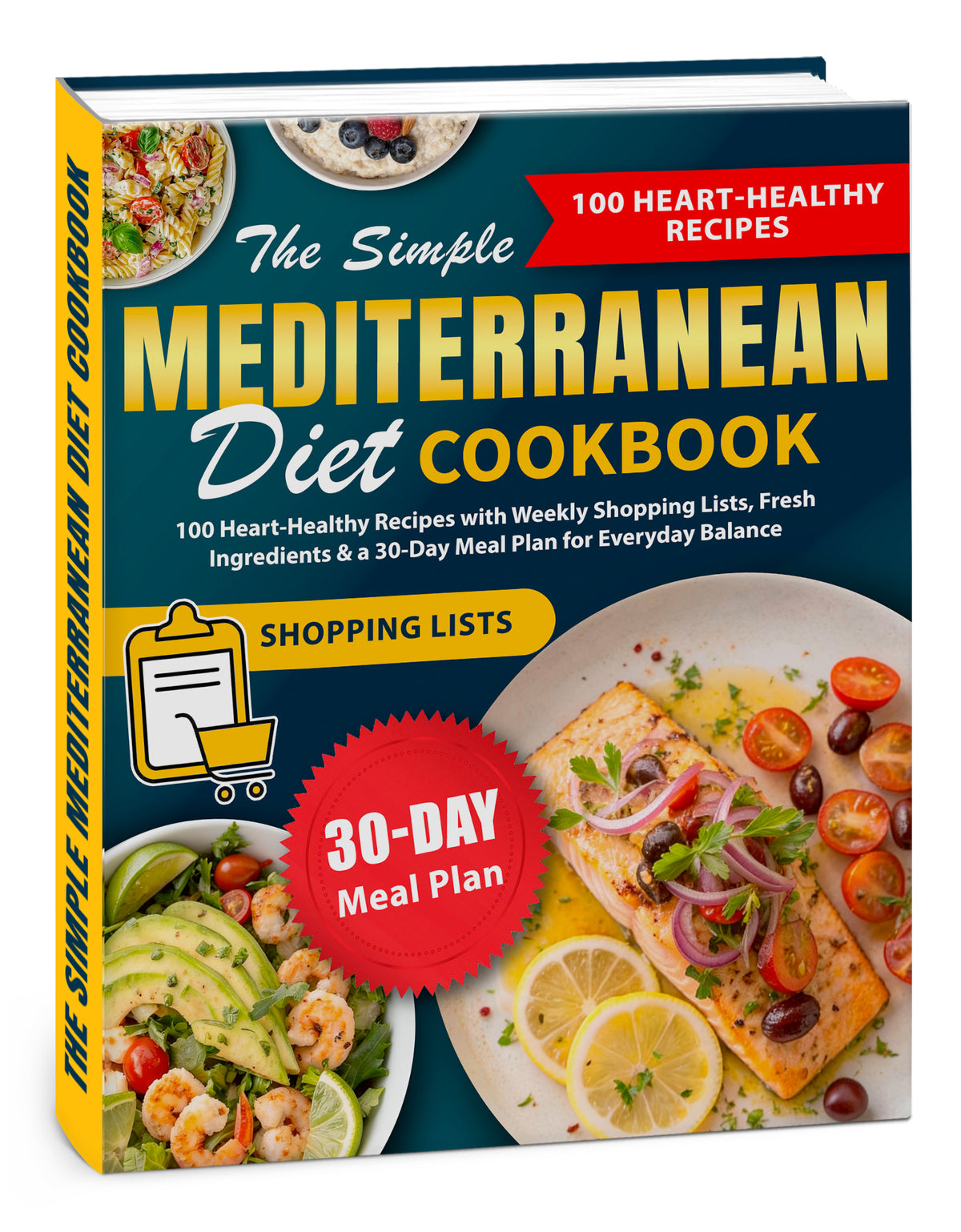
The Simple Mediterranean Diet Cookbook
The Simple Mediterranean Diet Cookbook
SKU:15987959
- Ready to publish on Amazon KDP
- Human-Written Manuscript
Couldn't load pickup availability
Mediterranean Diet Cookbook: Professional Publishing Asset
A polished, professionally crafted cookbook — fully finished and ready to publish.
This asset is designed for Amazon sellers who want a top-performing Mediterranean Diet title without spending weeks on writing, editing, or structuring. Built around a high-demand niche, this book offers clean formatting, strong keyword alignment, and premium content that consistently performs well on Amazon.
⭐️ What’s Included
- ✔️ ~117 pages of publication-ready content
- ✔️ 50,000+ words, fully edited
- ✔️ 100 heart-healthy Mediterranean recipes for every meal of the day
- ✔️ Complete 30 day meal plan + weekly shopping guide
- ✔️ Nutrition tips, heart-healthy plans, and cooking tips
- ✔️ Easy recipe format
- ✔️ We offer Kindle and Paperback versions
- ✔️ 100% original and authentic product
📈 Why Is This $1000+ Asset?
You get the finished product, ready to sell. This specialty is one of the most popular and fastest-growing destinations on Amazon, offering delicious Mediterranean cuisine that promotes long-term health, making it a great option for shoppers looking for healthy snacks to keep their hearts healthy.
💼 Good For
- KDP publishers expanding their reach
- Consumer-focused publishing
- Online retailers
- Sellers in the Mediterranean healthy food niche
🚀 What Makes This Book So Special?
- Clear and effective strategy
- 100 heart-healthy recipes, suitable for all ages
- 30-day meal planning with weekly shopping list for meal prep
- Practical hints and tips for preparing balanced meals for a healthy lifestyle
- Fully engaged and ready to throw
This Mediterranean Diet Cookbook is a highly valuable, ready-to-publish asset that will appeal to customers seeking simple, heart-healthy recipes to incorporate into their daily routine.
- Number of pages: 117
- Trim Size Paperback: 8,5*11
- Trim Size Hardcover: 8,25*11
Share
What's Included
-
Manuscript PDF
Complete manuscript in PDF format
-
eBook Format
Ready-to-publish electronic book format
-
Plagiarism Report
Detailed plagiarism check report
-
Book Cover
Covers that sell and visuals that grab attention
-
Book Description
Book description for marketing purposes
-
Book Quality Guide
Guide to reviewing book quality before publishing on Amazon KDP
Book Details
Human-Written Content
This manuscript was written by human authors and reviewed by editors. We do not use AI-generated text for the core book content. Each title is created as an original publishing asset for Amazon KDP sellers who want ready-to-use, professional-quality content.
Outline Overview
INTRODUCTION
- What is the Mediterranean Diet & Why It Is the World’s Healthiest
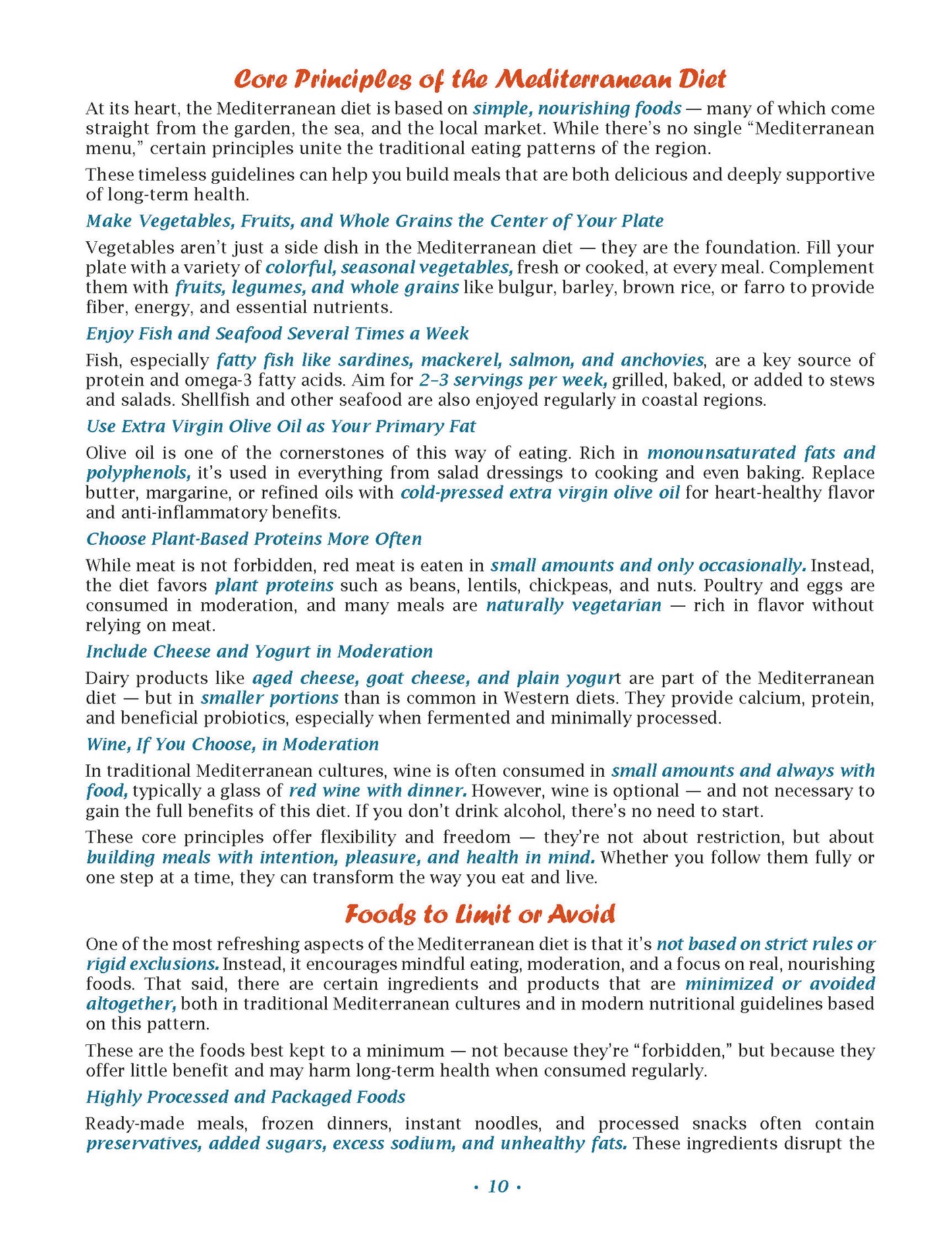
- Core Principles & Key Nutrients
- Foods to Limit or Avoid
- Portion Guidance & Mindful Eating
- FAQ: Who This Book Is For & How to Use It
MEDITERRANEAN MORNINGS (18 Recipes)
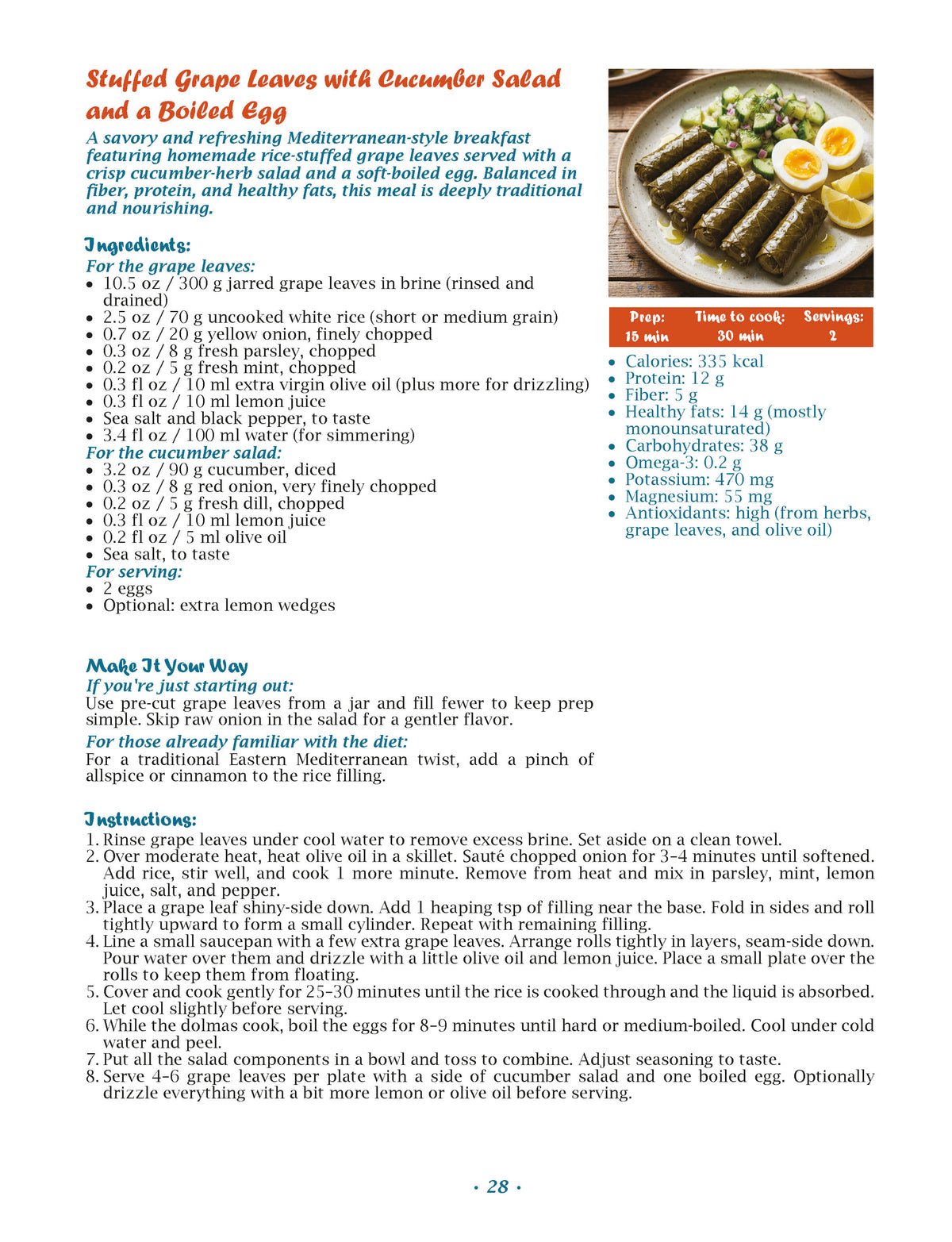
- Nutritious breakfast starts including Whole-Grain Avocado Toast, Warm Bulgur Porridge, Savory Greek Yogurt Bowls, and Herbed Labneh with Olives.
SATISFYING LUNCHES & LIGHT SALADS (30 Recipes)
- Mains: Grilled Sardines, Roasted Eggplant Boats, Seared Tuna with Barley, and Baked Falafel with Quinoa Tabbouleh.
- Salads: Refreshing options like Lentil Salad with Dijon–Lemon Dressing, Farro with Fennel & Orange, and Marinated White Bean Salad.
EVENING MEALS & COMFORTING SOUPS (30 Recipes)
- Dinners: Sophisticated yet simple meals like Baked Seabass, Stuffed Swiss Chard Rolls, Vegetable Moussaka, and Miso-Glazed Cod.
- Soups: Hearty bowls including Fava Bean & Leek Soup, Wild Mushroom Broth with Barley, and Chickpea & Roasted Garlic Soup.
MEDITERRANEAN SWEET TREATS (20 Recipes)
- Naturally sweetened desserts like Poached Pears in Red Wine, Olive Oil–Lemon Polenta Cakes, Ricotta with Cherry Compote, and Traditional Honey-Sesame Bars.
30-DAY MEAL PLAN
- A complete 5-week roadmap (Weeks 1–5) designed for effortless healthy eating.
SHOPPING LISTS
- Master Pantry Staples list for all 5 weeks.
- Organized weekly shopping lists (Weeks 1–5) for fresh ingredients.
CONCLUSION
- The Lasting Benefits of the Mediterranean Way
- A Sustainable Path Forward: Flexibility & Personalization
- Living the Mediterranean Spirit Beyond the Plate
Sample Chapter
Why Is the Mediterranean Diet Considered One of the Healthiest in the World?
The Mediterranean diet is one of the few dietary patterns in the world with robust, long-term scientific validation. Its benefits have been confirmed by decades of research across epidemiology, clinical trials, and nutritional science — making it a gold standard in both preventive and therapeutic health strategies.
The earliest and most influential research came from the Seven Countries Study, initiated by Dr. Ancel Keys in the 1950s. This long-term, multinational study followed over 12,000 men in countries including Greece, Italy, Japan, and the U.S., and found that those who followed a traditional Mediterranean diet had significantly lower mortality rates from coronary heart disease compared to their counterparts in Northern Europe and North America. These findings were groundbreaking, as they shifted focus away from saturated fat alone and toward overall dietary patterns.
Later, the Lyon Diet Heart Study (1990s) — a randomized secondary prevention trial in France — showed that participants who followed a Mediterranean-style diet after experiencing a heart attack had a 72% lower risk of recurrent cardiac events, compared to those on a standard low-fat diet. This dramatic reduction occurred despite similar cholesterol levels in both groups, suggesting that the protective effect came from the quality of fats and whole-food intake, not cholesterol reduction alone.
Perhaps the most compelling modern evidence comes from the PREDIMED study (2003–2011) — a large, randomized controlled trial involving 7,447 participants in Spain who were at high risk for cardiovascular disease. The study compared three groups: one following a Mediterranean diet supplemented with extra virgin olive oil, one with mixed nuts, and one following a conventional low-fat diet. After five years, the Mediterranean groups experienced a:
- 30% reduction in the risk of major cardiovascular events
- Significant drops in stroke incidence
- Improved markers of metabolic health, including blood pressure, insulin sensitivity, and inflammation
This trial was so impactful that it led to a shift in global dietary guidelines and reinforced the idea that not all fats are harmful — in fact, monounsaturated fats from olive oil and polyunsaturated fats from nuts and seeds are essential for health.
Further research has linked the Mediterranean diet to:
- Lower incidence of type 2 diabetes (Diabetes Care, 2011)
- Reduced risk of cognitive decline and Alzheimer’s disease (Neurology, 2015)
- Improved outcomes in cancer prevention and survivorship, particularly colorectal and breast cancers
- Better gut microbiome diversity, which contributes to immunity and digestive health
These benefits extend across age groups, genders, and even different regions — showing that this way of eating is both universally beneficial and culturally adaptable. It’s no surprise, then, that the Mediterranean diet has been:
- Ranked the #1 Best Overall Diet by U.S. News & World Report for multiple consecutive years
- Endorsed by organizations such as the World Health Organization (WHO), American Heart Association (AHA), European Society of Cardiology, and UNESCO (as a cultural heritage of humanity)
Simply put, when it comes to long-term health, very few diets are as thoroughly and positively studied as the Mediterranean diet. It’s not a fad — it’s a proven foundation for lifelong wellness.
Prevention of Heart Disease, Diabetes, and Obesity
One of the Mediterranean diet’s greatest strengths lies in its natural ability to prevent the most common chronic diseases of modern life — including heart disease, type 2 diabetes, and obesity. What makes this diet unique is that it doesn’t rely on strict calorie counting, elimination, or short-term fixes. Instead, it gently shifts the body toward balance through nutrient-rich foods and sustainable habits.
For heart health, the diet is rich in monounsaturated fats from extra virgin olive oil, omega-3 fatty acids from fish and nuts, and antioxidants from vegetables and herbs. These components help reduce systemic inflammation, improve endothelial (artery wall) function, and lower blood pressure — all of which are crucial for protecting against cardiovascular disease. Over time, this approach helps stabilize cholesterol levels, reducing LDL (bad) cholesterol and increasing HDL (good) cholesterol.
For blood sugar control, the Mediterranean diet emphasizes complex carbohydrates like whole grains, legumes, and fiber-rich vegetables, which release glucose more slowly and prevent blood sugar spikes. Combined with healthy fats and moderate protein, this helps enhance insulin sensitivity and lower the risk of developing type 2 diabetes. Several studies show that people following this diet have a 20–30% reduced risk of developing diabetes, even without weight loss.
When it comes to obesity and weight regulation, the Mediterranean diet offers a powerful yet gentle strategy. Instead of relying on restrictive patterns, it encourages satiating, flavorful foods that help people feel full and satisfied. Healthy fats slow digestion, fiber promotes satiety, and natural sweetness from fruits can reduce sugar cravings. People tend to eat less overall — but better, which often results in steady, sustainable weight loss or maintenance.
See Inside the Book


