


BookLab
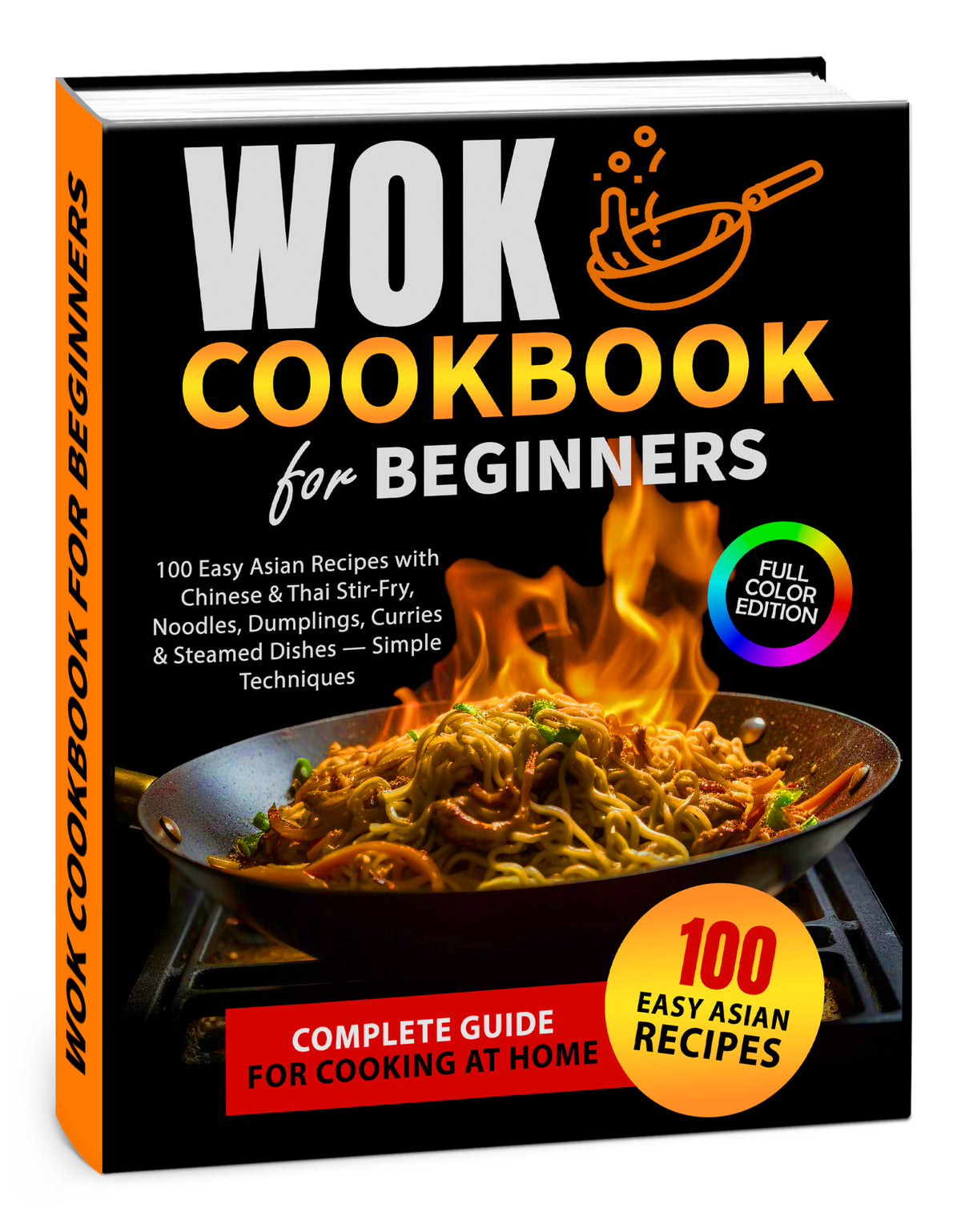
Wok Cookbook for Beginners
Wok Cookbook for Beginners
SKU:15987314
- Ready to publish on Amazon KDP
- Human-Written Manuscript
Couldn't load pickup availability
Premium Publishing Asset for Amazon Sellers: Wok Cookbook for Beginners
A polished, professionally crafted cookbook — fully finished and ready to publish.
This asset is designed for Amazon sellers looking for a high-performing wok recipe book without spending weeks on writing, editing, or structuring. Created around a popular and evergreen niche, this book offers clean formatting, strong keyword alignment, and premium, beginner-friendly content that is ideal for reaching a wide audience on Amazon.
⭐️ What’s Included
- ✔️ ~98 pages of publication-ready content
- ✔️ 40,000+ words, fully edited and optimized for Amazon
- ✔️ 100 wok recipes covering stir-fries, noodles, dumplings, curries, rice, and more
- ✔️ Step-by-step cooking instructions with clear preparation and cooking times
- ✔️ Beginner-friendly techniques for wok cooking
- ✔️ Nutritional information and serving suggestions for each recipe
- ✔️ Fully structured recipe formatting for easy readability
- ✔️ Ready for Kindle & Paperback publishing
- ✔️ 100% original and plagiarism-checked content
📈 Why This Is a $1000+ Asset
You’re getting a finished, market-ready product, not a draft. This cookbook targets the popular and evergreen wok cooking niche, offering a fresh and approachable way for beginners to dive into wok recipes. With strong SEO alignment, it’s built to consistently perform well on Amazon.
💼 Ideal For
- KDP publishers looking to expand their cookbook catalog
- Agencies producing books for people
- Entrepreneurs selling digital products
- Sellers entering the wok and Asian cooking niche
🚀 Highlights of This Book
- Excellent design and high quality
- 100 wok recipes
- Description of the unique taste, texture, and flavor
- Information about nutrition and serving suggestions
- Ready for publication on the Amazon KDP platform
This Wok Cookbook for Beginners offers a simple and easy way to learn and improve wok cooking. It's perfect for the cook who wants to make Asian food without the hassle.
- Number of pages: 98
- Trim Size Paperback: 8,5*11
- Trim Size Hardcover: 8,25*11
Share

What's Included
-
Manuscript PDF
Complete manuscript in PDF format
-
eBook Format
Ready-to-publish electronic book format
-
Plagiarism Report
Detailed plagiarism check report
-
Book Cover
Covers that sell and visuals that grab attention
-
Book Description
Book description for marketing purposes
-
Book Quality Guide
Guide to reviewing book quality before publishing on Amazon KDP
Book Details
Human-Written Content
This manuscript was written by human authors and reviewed by editors. We do not use AI-generated text for the core book content. Each title is created as an original publishing asset for Amazon KDP sellers who want ready-to-use, professional-quality content.
Outline Overview
Introduction: Welcome to the World of the Wok
- Why the Wok?
- Global Influences, One Pan
- Essential Tools & Ingredients
- Mastering the Core Techniques
High-Heat Stir-Fries
- 10 essential fast-paced recipes including Kung Pao Chicken, Mongolian Beef, and Thai Basil Chicken.
Wet-Style Sauced Stir-Fries
- 10 saucy favorites such as Honey Garlic Chicken, Sweet & Sour Pork, and Mapo Tofu.
Noodle-Focused Dishes
- 10 classic noodle recipes from Beef Chow Fun and Pad Thai to Yaki Udon and Char Kway Teow.
Vegetable-Centric Sautés
- 10 vibrant plant-based dishes including Ginger Garlic Bok Choy and Spicy Szechuan Green Beans.
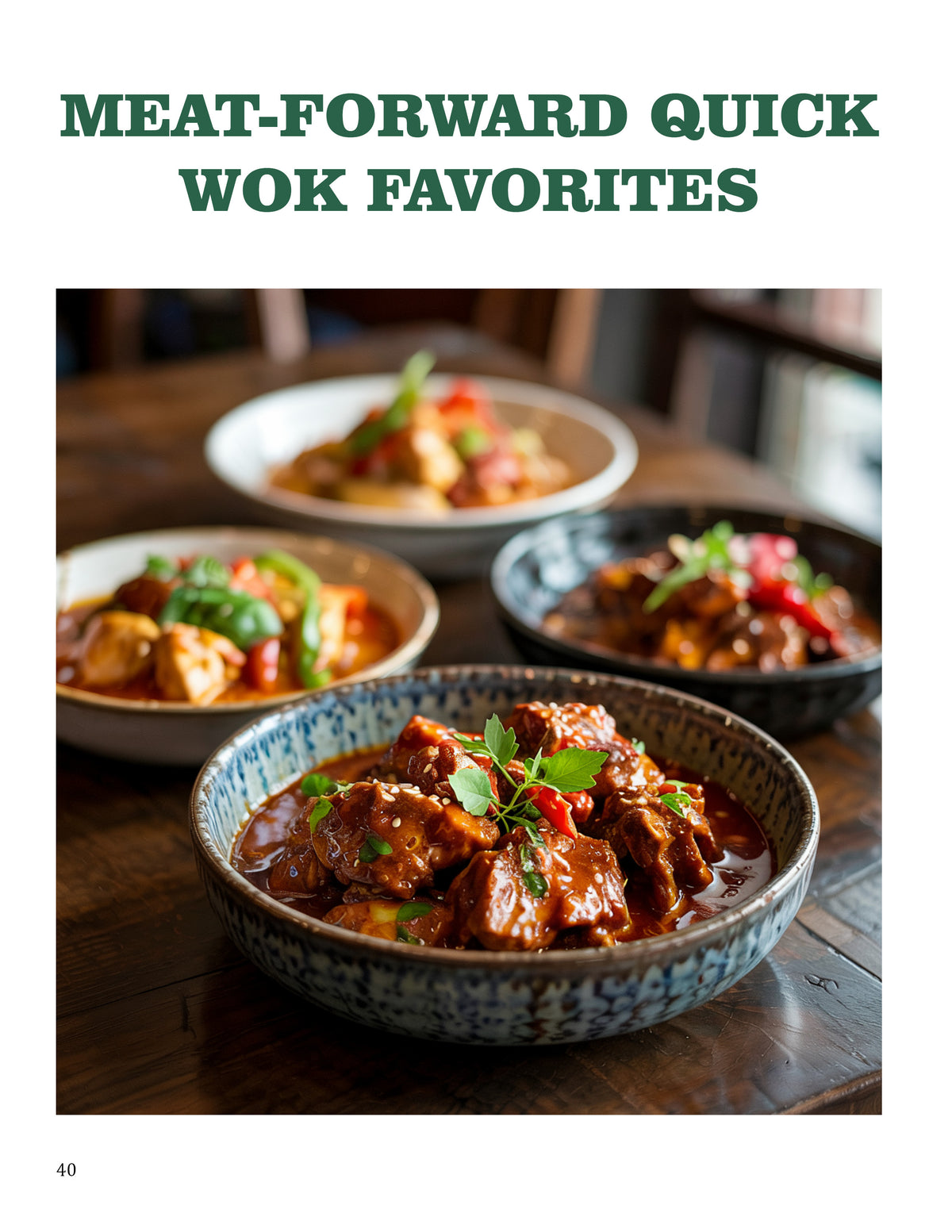
Meat-Forward Quick Wok Favorites
- 10 international meat dishes like Cumin Lamb, Korean Bulgogi, and Orange Beef.
Egg-Incorporated Specialties
- 10 unique egg-based meals including Tomato Egg Stir Fry and Thai Kai Jeow.
Curry & Coconut-Infused Wok Meals
- 10 aromatic recipes such as Thai Green Curry, Malaysian Rendang, and Caribbean Coconut Shrimp.
Battered & Deep-Fried Wok Creations
- 10 crispy delights including Honey Walnut Shrimp, Salt & Pepper Squid, and Korean Fried Chicken.
Braise-Style Wok Dishes
- 10 slow-cooked flavors like Red Cooked Pork Belly and Taiwanese Three-Cup Chicken.
Light-Touch & Steamed Techniques in Wok
- 10 delicate dishes including Steamed Fish Fillets and Garlic Clams.
30-Day Meal Plan
- A complete 5-week roadmap for daily wok cooking.
Shopping Lists
- Organized weekly lists (Week 1–5) to make preparation easy.
Conclusion: Beyond the Recipes — The Wok as a Way of Life
- Customizing classics, seasonal cooking, and final words of thanks.
Sample Chapter
Essential Tools & Ingredients
Every wok virtuoso starts with the right pan, and your choice of material makes all the difference. Carbon steel is the gold standard—lightweight, durable, and quick to heat up, developing a natural nonstick patina over time. Cast iron offers unbeatable heat retention (perfect for Braised Duck with Star Anise), while nonstick woks are a fuss-free option for beginners, though they can’t achieve the same high-heat sear. Whatever you pick, look for a round-bottomed wok if you have a gas stove (use a wok ring for stability) or a flat-bottomed version for electric stovetops. This one pan will become your kitchen’s MVP, so choose wisely!
A few key tools will transform your wok game. A long-handled metal spatula with a curved edge lets you toss stir-fries like Mongolian Beef with precision, while a domed lid traps steam for dishes like Fish Fillets in Soy-Lime Steamer. Don’t overlook a sturdy steamer rack for Pork Ribs with Black Beans or a wire strainer (called a “wok spider”) for lifting tempura or fried noodles from hot oil. Bonus points for a wok brush—its stiff bristles make cleaning your prized pan a breeze. With these essentials, you’ll move from basic stir-fries to restaurant-worthy techniques overnight.
Now, let’s stock your flavor arsenal. A well-stocked wok pantry starts with multiple soy sauces: light for seasoning, dark for color and depth, and tamari for gluten-free needs. Oyster sauce brings umami richness to Beef with Oyster Sauce, while toasted sesame oil adds fragrance to Sesame Soba Stir Fry. Fermented black beans and Szechuan peppercorns will power up Mapo Tofu, and a can of coconut milk is your ticket to Thai Green Curry Stir Fry. Rice vinegar brightens, chili crisp electrifies, and cornstarch becomes your secret weapon for glossy sauces.
Fresh ingredients matter just as much. Always have ginger, garlic, and scallions ready—the “holy trinity” of wok cooking. Keep crisp veggies like bok choy and snow peas on hand for quick stir-fries, along with proteins that cook fast: thinly sliced beef for Korean Bulgogi, shrimp for Mee Goreng, or tofu for Spicy Szechuan Green Beans. Dry staples matter too: rice noodles, jasmine rice, and high-smoke-point oils (peanut or avocado) ensure you’re always ready to create.
With these tools and ingredients, you’re not just preparing to cook—you’re building a foundation for countless culinary adventures. Whether you’re recreating Crispy Duck with Plum Sauce or improvising your own stir-fry, having these essentials at your fingertips means deliciousness is always within reach.
Mastering the Core Techniques
The magic of wok cooking begins with stir-frying—a dazzling dance of high heat and quick movements that transforms simple ingredients into extraordinary dishes. Success starts with mise en place: have all ingredients prepped, sauces mixed, and tools within reach before firing up your wok. Crank the heat to maximum—a proper stir-fry like Kung Pao Chicken or Thai Basil Chicken needs that explosive sizzle when ingredients hit the pan. Cook in strategic layers: aromatics first (ginger, garlic), then proteins, followed by vegetables, and finally sauce—this ensures everything reaches perfection without overcooking. Remember: constant motion is key, and that glorious wok hei (breath of the wok) only appears when you respect the flames!
When it comes to deep-frying in your wok—whether crafting Honey Walnut Shrimp or Korean Fried Chicken—oil temperature is your compass. A clip-on thermometer is invaluable; most wok frying happens between 325–375°F (163–190°C). The wok’s sloping sides provide ample space for bubbling oil while minimizing splatter, and its wide opening allows for easy maneuvering with a wire strainer. Always fry in batches to avoid crowding (which drops oil temp and leads to soggy results), and let the oil fully reheat between batches. Pro tip: Double-frying creates next-level crispness—perfect for achieving that shatteringly crunchy exterior on Salt & Pepper Soft Shell Crab.
Braising in a wok—like creating Red Cooked Pork Belly or Coconut-Lemongrass Short Ribs—is where patience meets flavor alchemy. Start by searing proteins to develop fond (those tasty browned bits), then build layers of flavor with aromatics, spices, and liquids like soy sauce, stock, or coconut milk. The wok’s wide surface promotes rapid evaporation, concentrating sauces beautifully. Maintain a gentle simmer—the ideal bubble should look like lazy champagne bubbles rising. For tough cuts, low-and-slow is the mantra; for delicate items like Soy-Braised Eggplant, just 10–15 minutes may suffice. Always taste and adjust seasoning toward the end, as reduced sauces intensify in flavor.
Steaming in a wok unlocks a world of delicate textures, from silky Egg Custard with Scallions to plump Lotus Leaf Sticky Rice Parcels. Set up your steamer by adding just 1–2 inches of water below the rack—enough to generate steam but not touch the food. Bring the water to a vigorous boil before adding items, then cover with a domed lid to prevent condensation from dripping onto dishes. For extra flavor, infuse the steaming liquid with ginger slices or star anise. When wrapping dumplings or fish in banana leaves or parchment, secure them well to trap steam and aromas. The wok’s broad base accommodates multiple steamers at once—perfect for making an entire Dim Sum spread in one go!
These techniques are your foundation, but the real joy comes in blending them creatively. Maybe you’ll stir-fry then braise (Taiwanese Three-Cup Chicken), or steam before flash-frying (like Crispy Duck). With each method mastered, your wok becomes more versatile—a true extension of your culinary intuition. As you practice, you’ll develop an instinct for when to crank the heat or when to let things simmer, when to toss vigorously or when to leave undisturbed. That’s when the real magic happens, and these pages will guide you every step of the way. Ready to wield your wok like a pro? Let’s turn up the heat!
See Inside the Book


