


BookLab
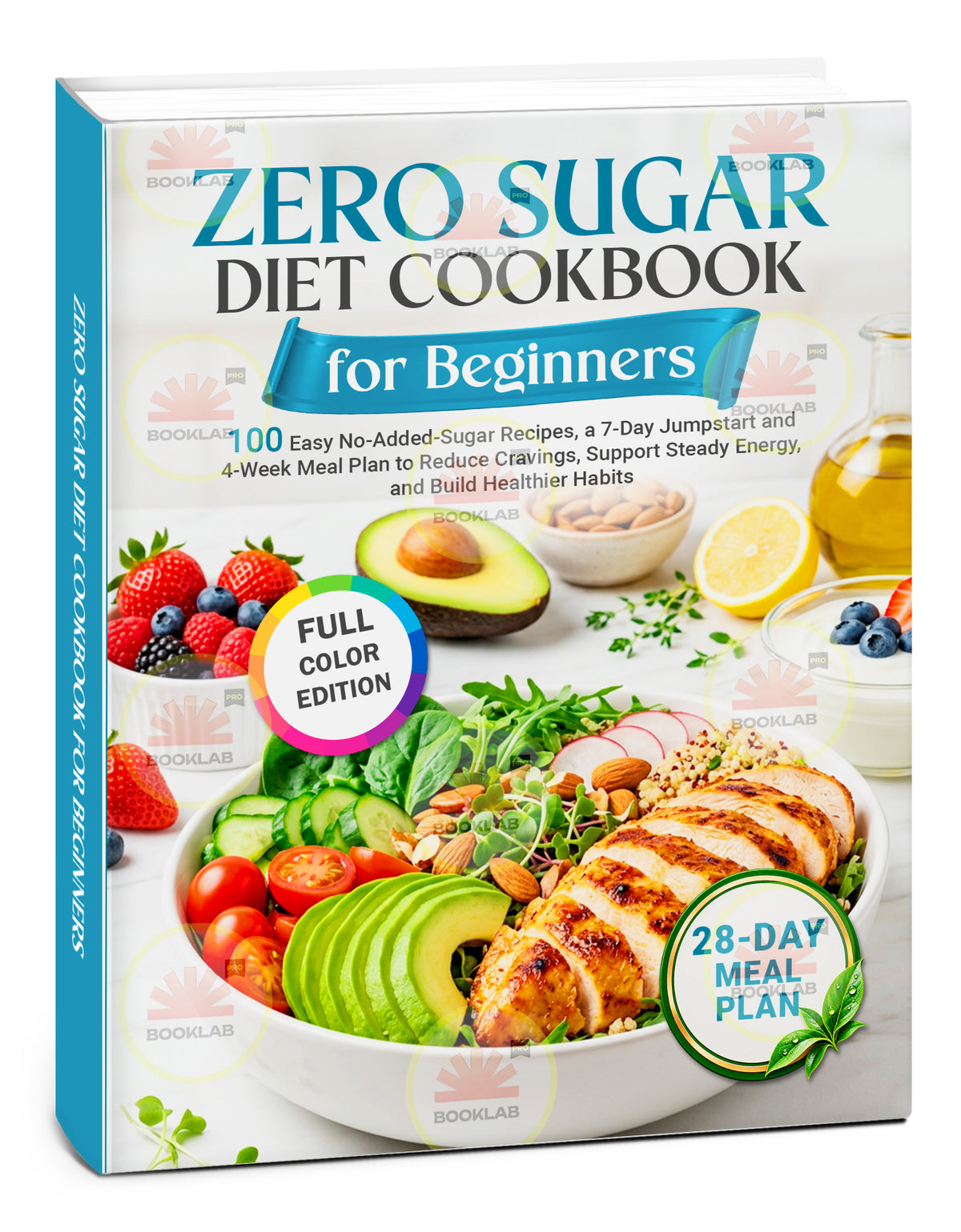
Zero Sugar Diet Cookbook for Beginners
Zero Sugar Diet Cookbook for Beginners
SKU:17537207
- Ready to publish on Amazon KDP
- Human-Written Manuscript
Couldn't load pickup availability
Premium Publishing Asset for Amazon Sellers: Zero Sugar Diet Cookbook for Beginners
A professionally structured, 94-page cookbook manuscript featuring 100 easy no-added-sugar recipes, beginner-friendly nutrition guidance, a 7-day jumpstart, a complete 4-week meal plan, weekly shopping lists, and practical habit-building tools — ready for publishing preparation.
This asset is designed for Amazon sellers expanding their KDP catalogs within the zero-sugar, no-added-sugar, healthy eating, meal-planning, and beginner nutrition niches.
Created for beginners, the cookbook focuses on familiar ingredients, straightforward recipes, practical substitutions, and everyday strategies for identifying hidden added sugars. It combines accessible nutrition education with structured resources that help readers organize meals beyond individual recipes.
⭐️ What’s Included:
✔️ Complete 94-page manuscript featuring 100 no-added-sugar recipes
✔️ Recipes organized into 6 practical categories: breakfasts, lunches, dinners, snacks and appetizers, desserts, and sauces, dressings and drinks
✔️ Beginner-friendly explanation of natural versus added sugars
✔️ Guidance on identifying hidden sugars and understanding ingredient-label terminology
✔️ Practical advice for reading Nutrition Facts, ingredient lists, and common marketing claims
✔️ Pantry, refrigerator, and freezer staple guides
✔️ Budget-friendly shopping tips and ingredient substitutions
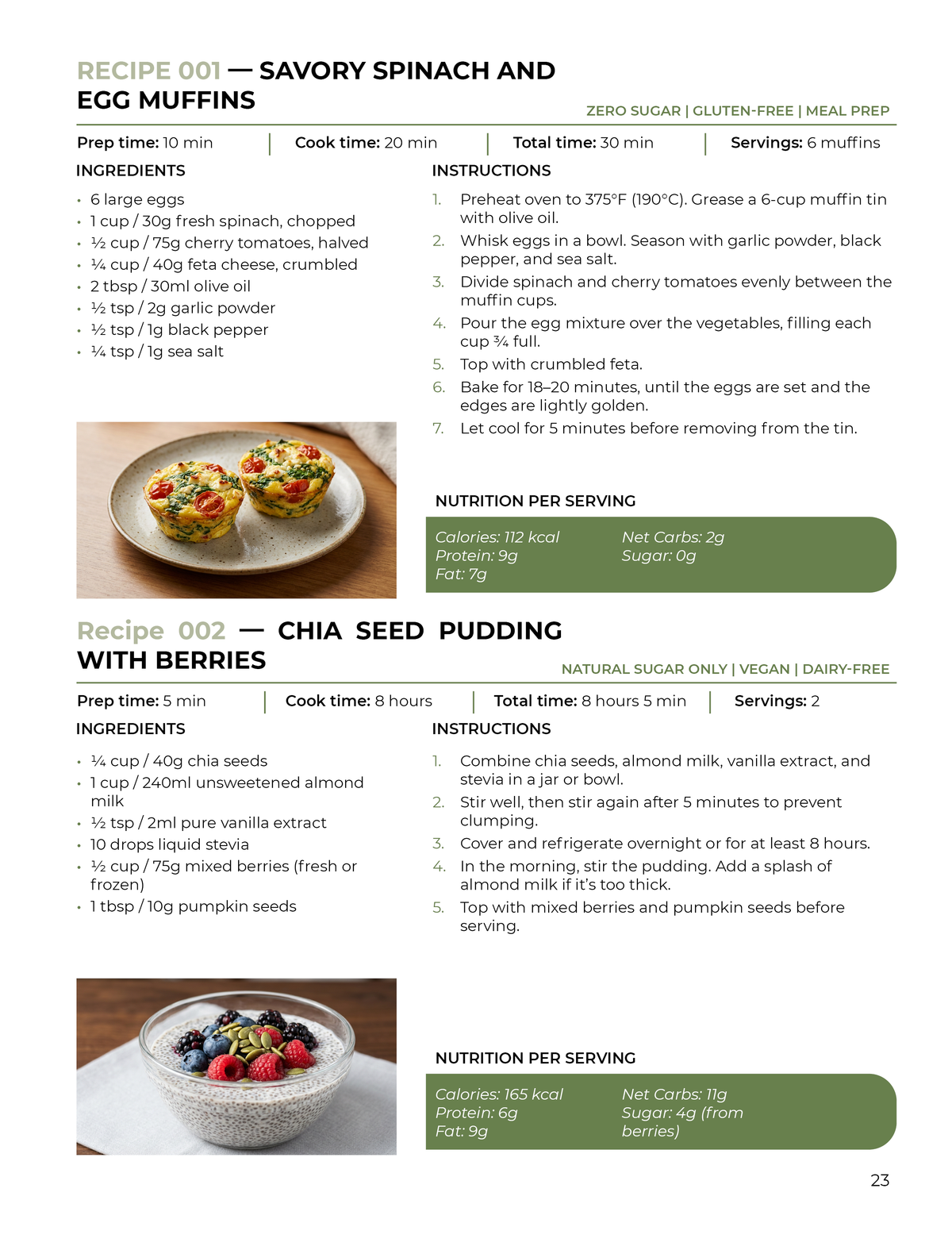
✔️ Recipes with prep time, cooking time, servings, instructions, and estimated nutritional values
✔️ Structured 7-Day Jumpstart with daily breakfasts, lunches, dinners, and snacks
✔️ Guidance on hydration, sleep, stress, cravings, and everyday habit-building
✔️ Daily journaling prompts and an end-of-week self-assessment
✔️ Complete 4-Week Meal Plan divided into Reset, Build, Optimize, and Lifestyle stages
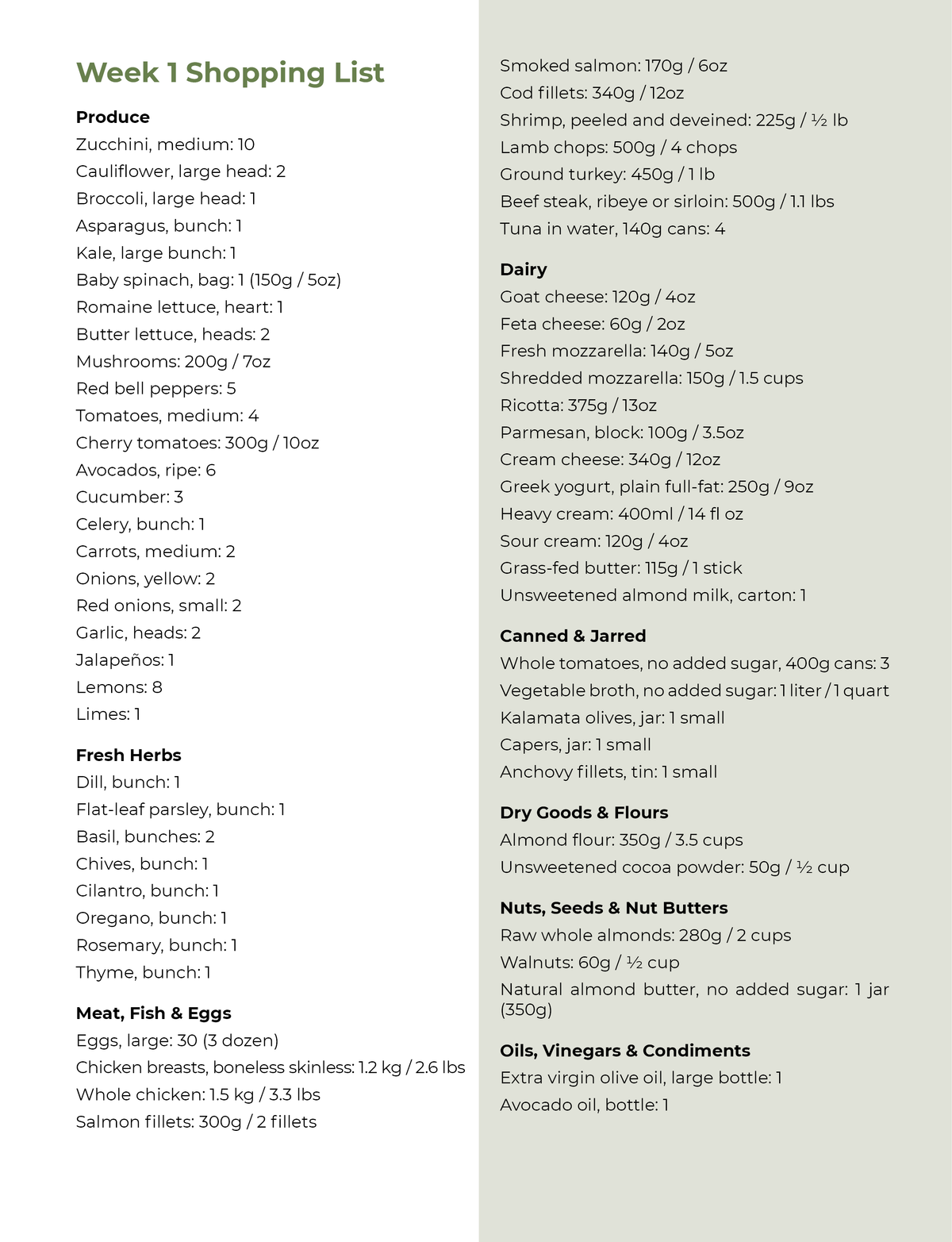
✔️ Weekly shopping lists and meal-prep guides
✔️ Guidance for restaurants, travel, social situations, troubleshooting, and long-term maintenance
✔️ Suitable for Kindle and paperback publishing preparation
📈 Why This Is a Valuable Publishing Asset
You’re getting a complete, professionally structured cookbook manuscript — not a basic recipe collection or simple diet outline.
The book combines practical cooking with beginner-friendly education about food labels, hidden sugars, pantry organization, substitutions, and meal planning.
Rather than eliminating every naturally occurring sugar found in whole foods, the manuscript explains the difference between added and naturally occurring sugars and provides realistic ways to make everyday meals more intentional.
Its 100 recipes include savory breakfasts, salads, soups, protein-focused dinners, plant-based dishes, snacks, desserts, homemade sauces, dressings, smoothies, and drinks.
The 7-day jumpstart provides a clear starting point, while the 4-week meal plan, shopping lists, and meal-prep guides offer practical support for organized everyday eating.
💼 Ideal For:
- Amazon KDP publishers expanding diet and healthy-eating catalogs
- Sellers entering the zero-sugar and no-added-sugar niches
- Publishing agencies seeking a complete beginner-focused manuscript
- Entrepreneurs developing digital or paperback cookbooks
- Publishers interested in structured meal plans and shopping resources
- Sellers targeting readers who want to reduce added sugar
- Publishers seeking a combination of recipes, nutrition education, and planning tools
🚀 What Makes This Book Special:
- 100 recipes across 6 practical categories
- Designed specifically for beginners reducing added sugar
- Clear explanation of natural versus added sugars
- Practical food-label and hidden-sugar guidance
- Pantry, refrigerator, and freezer recommendations
- Easy substitutions for commonly sweetened ingredients
- 7-Day Jumpstart with journaling prompts
- Complete 4-Week Meal Plan
- Weekly shopping lists and meal-prep guides
- Guidance for eating out, traveling, and social situations
- Familiar ingredients and approachable cooking methods
- No unrealistic promises or medical treatment claims
Zero Sugar Diet Cookbook for Beginners is a complete publishing asset for sellers entering the no-added-sugar and healthy-eating niches. With 100 recipes, food-label guidance, substitution resources, a 7-day jumpstart, a 4-week meal plan, weekly shopping lists, and meal-prep support, this 94-page manuscript provides a strong foundation for a professional Amazon KDP publication.
- Number of pages: 94
- Trim Size Paperback: 8,5*11
- Trim Size Hardcover: 8,25*11
Share
What's Included
-
Manuscript PDF
Complete manuscript in PDF format
-
eBook Format
Ready-to-publish electronic book format
-
Plagiarism Report
Detailed plagiarism check report
-
Book Cover
Covers that sell and visuals that grab attention
-
Book Description
Book description for marketing purposes
-
Book Quality Guide
Guide to reviewing book quality before publishing on Amazon KDP
Book Details
Human-Written Content
This manuscript was written by human authors and reviewed by editors. We do not use AI-generated text for the core book content. Each title is created as an original publishing asset for Amazon KDP sellers who want ready-to-use, professional-quality content.
Outline Overview
Table of Contents
Introduction: Understanding a No-Added-Sugar Approach
- Common sources of added sugar in everyday foods
- Hidden names for sugar on ingredient labels
- What “zero sugar” means in this cookbook
- Natural versus added sugars
- How to use the cookbook and planning resources
Part 1: No-Added-Sugar Foundations
- Understanding sugar and the glycemic index
- Natural, added, and artificial sweeteners
- Reading Nutrition Facts and ingredient lists
- Evaluating “sugar-free,” “natural,” and “no added sugar” claims
- Quick-reference guide to everyday ingredients
Part 2: Setting Up the Kitchen
- Organizing the pantry, refrigerator, and freezer
- Essential no-added-sugar ingredients
- Helpful kitchen tools and equipment
- Budget-friendly grocery shopping
- Substitutions for commonly sweetened products
Part 3: 7-Day Jumpstart
- Day-by-day breakfast, lunch, dinner, and snack suggestions
- Hydration, sleep, stress, and craving-management guidance
- Preparing meals for the first week
- Daily journaling and reflection prompts
- End-of-week self-assessment
Part 4: Breakfasts
- Egg muffins, omelets, frittatas, and savory patties
- Chia pudding, oatmeal, yogurt bowls, and parfaits
- Almond- and coconut-flour pancakes, waffles, and crepes
- Smoothie bowls and fruit-and-seed breakfasts
Part 5: Lunches
- Chicken, turkey, tuna, salmon, shrimp, and egg dishes
- Fresh salads, soups, stews, and lettuce wraps
- Quinoa bowls, zucchini noodles, and vegetable-based meals
- Plant-based options with beans, lentils, chickpeas, and hummus
Part 6: Dinners
- Salmon, cod, sea bass, swordfish, chicken, beef, pork, and lamb
- Stir-fries, meatballs, stews, stuffed vegetables, and roasted meals
- Cauliflower rice, zucchini lasagna, and vegetable-based sides
- Tofu, lentil, chickpea, mushroom, and eggplant dishes
Part 7: Snacks & Appetizers
- Roasted chickpeas, nuts, seed crackers, and kale chips
- Guacamole, hummus, cheese dips, and vegetable bites
- Egg, turkey, tuna, and smoked salmon snacks
- Date-free energy balls and savory appetizers
Part 8: Desserts
- Chocolate mousse, brownies, pudding, and truffles
- Fruit-based desserts and baked crumbles
- Cheesecake cups, panna cotta, and yogurt bark
- Almond-flour cookies, chia tarts, and coconut ice cream
- Desserts using stevia or monk fruit
Part 9: Sauces, Dressings & Drinks
- No-added-sugar marinara, barbecue sauce, and Caesar dressing
- Tahini and avocado-based dressings
- Turmeric milk, infused water, and protein smoothies
- Matcha lattes and sparkling fruit mocktails
Part 10: 4-Week Meal Plan
- Week 1: Reset
- Week 2: Build
- Week 3: Optimize
- Week 4: Lifestyle
- Weekly progress checks and recipe-adaptation guidance
Weekly Shopping & Meal-Prep Guides
- Organized shopping lists for all four weeks
- Weekly ingredient and pantry planning
- Sunday meal-prep sessions
- Batch cooking, portioning, and storage guidance
Part 11: Living with Less Added Sugar
- Choosing meals at restaurants
- Recognizing hidden sugar on menus
- Managing parties, holidays, and social situations
- Practical strategies for airports, hotels, and road trips
- Communicating food preferences to family and friends
Part 12: Troubleshooting & Long-Term Habits
- Answers to common beginner questions
- Gradually reintroducing foods
- A flexible maintenance approach
- Seasonal meal planning
- Building a personal recipe collection
- Tracking progress beyond body weight
Conclusion
- Applying no-added-sugar principles in everyday life
- Creating flexible and realistic food routines
- Continuing with organized meal planning
- Building sustainable long-term habits
Sample Chapter
1.3 How Sugar Affects Weight, Energy, Skin, and Mood
Weight
Excess sugar is converted to fat by the liver and stored — particularly as visceral fat around the abdomen. High sugar intake also disrupts leptin, the hormone that tells your brain you're full, making it easy to overeat without realizing it.
Energy
Sugar provides a fast burst of energy followed by an equally fast crash. The cycle keeps you dependent on regular sugar hits to feel functional. Without it, energy becomes flat and steady — which feels dramatically better within two weeks.
Skin
Sugar triggers a process called glycation, where sugar molecules attach to collagen and elastin fibers, making them stiff and brittle. The result: premature wrinkles, dull skin, and slower healing. It also spikes insulin, which increases sebum production and worsens acne.
Mood
Blood sugar crashes trigger cortisol and adrenaline — stress hormones that cause irritability, anxiety, and difficulty concentrating. Studies consistently link high sugar consumption to increased rates of depression and mood instability.
1.4 The Truth About "Healthy" Sweeteners
These are marketed as natural alternatives to white sugar. They are still sugar. Your liver processes them the same way.
Honey
Slightly more minerals than white sugar, but 82% sugar by weight. Raises blood sugar rapidly. Raw honey in small amounts has antimicrobial properties, but as a sweetener it is not a free pass.
Agave Syrup
Often labeled "low glycemic" because it is high in fructose, which is processed by the liver rather than spiking blood sugar directly. The problem: high fructose intake is directly linked to fatty liver disease, insulin resistance, and elevated triglycerides. Agave is 85% fructose — higher than high-fructose corn syrup.
Maple Syrup
Contains trace minerals and antioxidants. Still 60% sucrose. A tablespoon has 12g of sugar. A better option than refined sugar, but not a health food.
Coconut Sugar
Contains inulin fiber, which slightly slows glucose absorption. GI of around 35–54, lower than white sugar. Still approximately 80% sucrose and fructose. Treat it like brown sugar — a marginally better choice, not a healthy one.
Dates and Date Syrup
Whole dates are rich in fiber and nutrients and are used in small amounts in some recipes in this book. Date syrup is essentially concentrated sugar water. A tablespoon contains 10g of sugar with minimal fiber benefit. Use sparingly or avoid entirely.
Bottom line: If you are reaching for these to sweeten food daily, you are still feeding the sugar habit. Save them for occasional use once the detox phase is complete.
1.5 Artificial Sweeteners — Friend or Foe?
The research is mixed. Some sweeteners maintain sweetness without blood sugar impact. Others carry their own risks. Here is where this book stands:
Stevia — Approved
Derived from the Stevia rebaudiana plant. Zero calories, zero glycemic impact. Well-tolerated by most people. Look for pure stevia extract or stevia leaf powder with no added fillers or maltodextrin. Bitterness varies by brand — try a few to find one you like.
Erythritol — Approved in Moderation
A sugar alcohol found naturally in some fruits. About 70% as sweet as sugar with roughly 0.2 calories per gram and minimal blood sugar impact. Large amounts can cause digestive discomfort. Use in baking where stevia alone can taste bitter. Limit to 2–3 tablespoons per day.
Monk Fruit Sweetener — Approved
Extracted from monk fruit (luo han guo). Zero calories, zero GI. 150–200x sweeter than sugar so very little is needed. One of the cleanest options available. Increasingly easy to find in supermarkets and online.
What to Avoid:
- Aspartame — Linked in multiple studies to headaches, mood disruption, and potential neurological effects. Broken down into methanol and phenylalanine in the body. Avoid.
- Sucralose (Splenda) — Disrupts gut bacteria, may impair insulin response over time. Stable at room temperature but converts to harmful compounds at high baking temperatures. Avoid.
- Saccharin — Oldest artificial sweetener. Associated with gut microbiome disruption and glucose intolerance in human studies. Avoid.
1.6 Sugar and Chronic Disease: Diabetes, Heart Disease, Inflammation
The connection between sugar and chronic illness is no longer a theory — it is well-documented.
Type 2 Diabetes
Years of high sugar intake force the pancreas to produce more and more insulin. Eventually, cells stop responding — this is insulin resistance, the defining feature of Type 2 diabetes. An estimated 96 million American adults have prediabetes, and most don't know it. Reducing added sugar is the single most effective dietary intervention for prevention and management.
Heart Disease
High sugar consumption raises triglycerides, lowers HDL (good cholesterol), promotes inflammation in arterial walls, and elevates blood pressure. A landmark Harvard study found that people who got 17–21% of their calories from added sugar had a 38% higher risk of dying from heart disease than those who consumed 8% or less.
Chronic Inflammation
Sugar drives the production of inflammatory cytokines — chemical messengers that keep the body in a state of low-grade inflammation. Over time, this contributes to arthritis, Alzheimer's disease, certain cancers, and autoimmune conditions. Reducing sugar is one of the most impactful anti-inflammatory dietary changes you can make.
See Inside the Book


